
 Available in US
Content
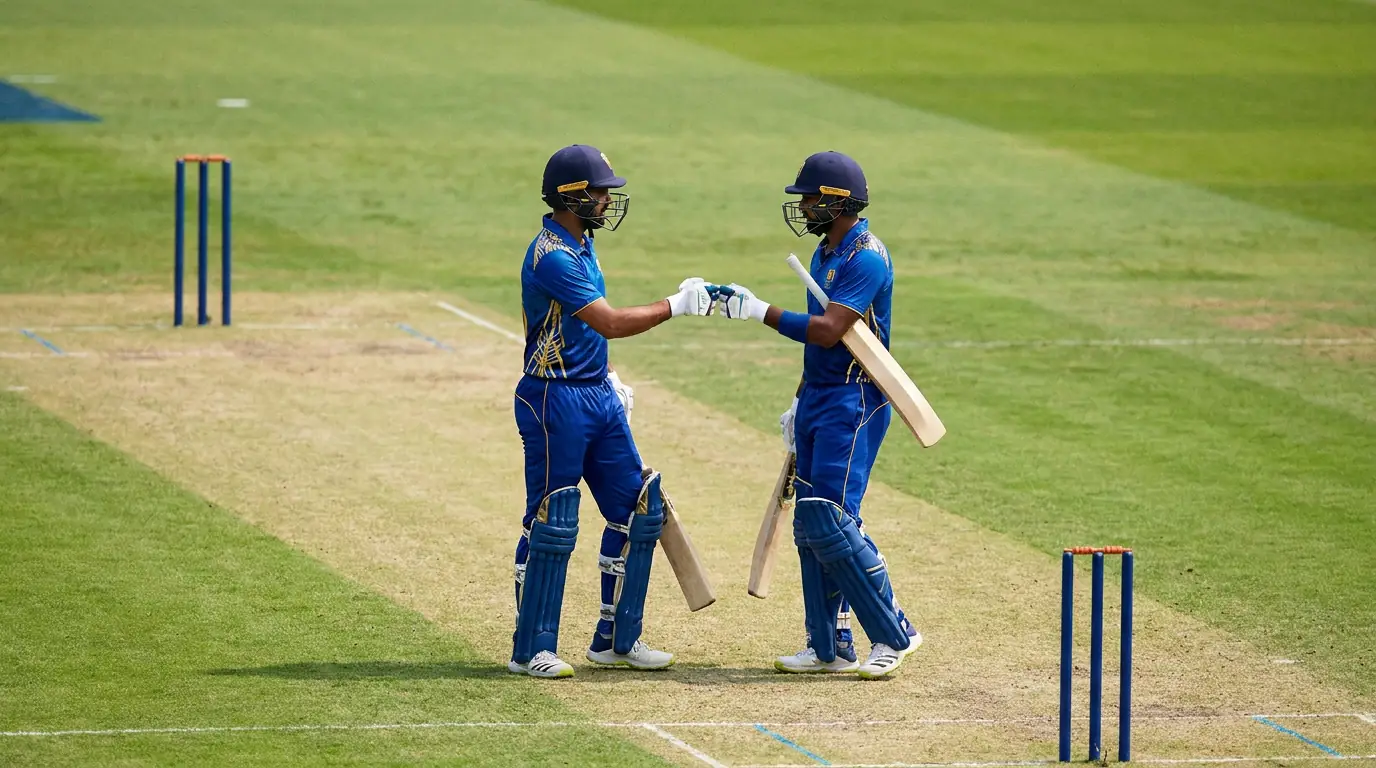
Where Partnership Markets Sit Between Player and Team Totals
The partnership market is the one I recommend to readers who’ve outgrown match winner but aren’t ready to throw money at the next-wicket roulette. It sits in a useful analytical sweet spot — narrower than a team total, broader than a player total, and rich in micro-information that pricing engines don’t always capture.
A partnership is the runs added between the fall of two consecutive wickets. The market typically prices the next partnership at the crease or a named partnership — for instance, the opening pair, or the third-wicket stand. Both variants exist at most UK sportsbooks, and the pricing logic differs sharply between them. The opening partnership is the most heavily traded variant because it sits on a known pair of batters, with no uncertainty about composition, and pricing engines have decades of data to anchor on.
What Counts in a Partnership and What Voids It
The rules are stricter than most punters realise, and several settle as voids that look on the surface like clear wins or losses.

Runs scored between two batters at the crease while both remain not out count toward their partnership. This includes byes, leg byes, wides and no-balls credited to the team total — these are all included in the partnership figure under standard UK sportsbook rules. Boundaries, singles and twos count the moment the runs are signalled.
The partnership ends when a wicket falls. The market settles at that moment, regardless of how the match continues. If a batter retires hurt and a replacement comes in, the partnership is considered ongoing under most rule sets — the new batter inherits the partnership with the surviving batter, and the bet continues until a wicket actually falls. A small number of operators void the bet on a retired-hurt event; the safer assumption is to check before staking.
The pricing voids most commonly hit when an innings ends without a wicket falling. If the opening pair survives the full innings — rare but it happens in shorter formats — the partnership is technically incomplete, and most UK sportsbooks settle on whatever runs have been scored to that point. A handful void instead, which is the rule punters need to be aware of when staking on tail-end partnerships that have a meaningful chance of finishing the innings undefeated.
Pair Mismatch as a Pricing Signal
The single most useful read on this market in my experience is what I call pair mismatch — the gap in striking style or strike-rotation tempo between the two batters at the crease. The pricing engine usually averages both batters’ personal stats and produces a partnership expectation from that average. The actual cricket rarely behaves like an average.
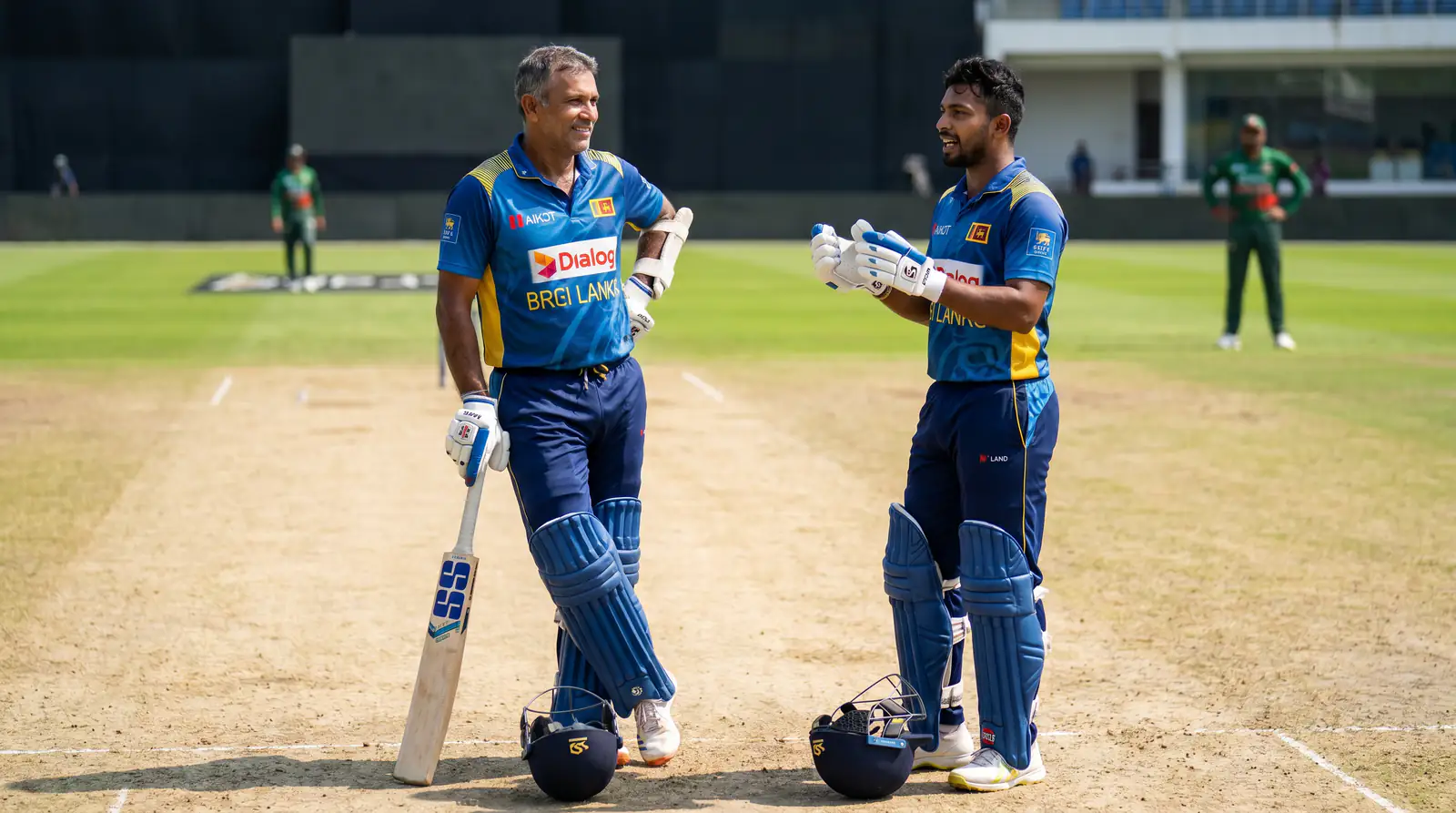
A high-tempo opener paired with a anchor middle-order batter doesn’t settle on the average of their two scoring rates. They settle either as a stop-start partnership where the anchor blocks and the strike rotates against the aggressor’s intent, or as a quick-collapse where the aggressor goes early and the anchor’s price-implied contribution evaporates. Both outcomes are systematically below the priced expectation, and the “under” line for these pairs has been profitable for me over multi-season samples.
The opposite read — two openers of similar tempo and complementary handedness — tends to overperform the priced line. Two attacking right-handers running together at the start of a T20 don’t just add their individual run-rates; they actively reinforce each other’s pressure on the fielding captain, who can’t set the field for both styles at once. Partnerships of this type beat the line more often than they fall short of it.
Pair mismatch is invisible to a pricing engine that’s looking at season averages and pair history. Pair history itself helps less than you’d think — partnerships are too dependent on match state to repeat at any reliable rate. I trust style read over historical pairing data every time.
Pre-Match Lines vs Mid-Innings Repricing
The pre-match line on a named partnership is, in my view, the deepest mispriced product on most UK cricket slips. The reasons are structural and worth understanding.
Pre-match, the pricing engine has to assume an average game state — typical scoring rate, typical loss of wickets, typical pace of the innings up to the point where the named partnership begins. This is a stack of assumptions, each with its own variance, and the cumulative error on the partnership line is wider than the displayed odds suggest.
In-play, the same partnership is repriced when the pair actually arrives at the crease. The pricing engine now has a precise match state to work from: known runs on the board, known overs remaining, known field setting. This is where the AI tooling shifts the conversation. Sportradar’s Universal Fraud Detection System flagged 56 per cent more suspicious matches in 2025 — a rise from 436 to 682 — and the same generation of AI infrastructure now powers live repricing on partnership and in-play markets at most major books. The mid-innings line is therefore much sharper than the pre-match line.
The practical implication: pre-match value sits on the under for high-variance pairs and the over for complementary pairs. The reverse is true for in-play — once the model can see the actual pace of the innings, the pre-match mispricing is corrected.
Where the Statistical Edge Sits Across Formats
The cleanest edge on partnership markets sits in T20 cricket, where the sample size is huge and the pricing engines still treat batting collapses as smoother than they actually are. The IPL 2025 broadcast reached more than 1 billion viewers and generated upward of 840 billion minutes of watch time, which has produced the deepest publicly tracked sample of partnership outcomes in the format’s history.
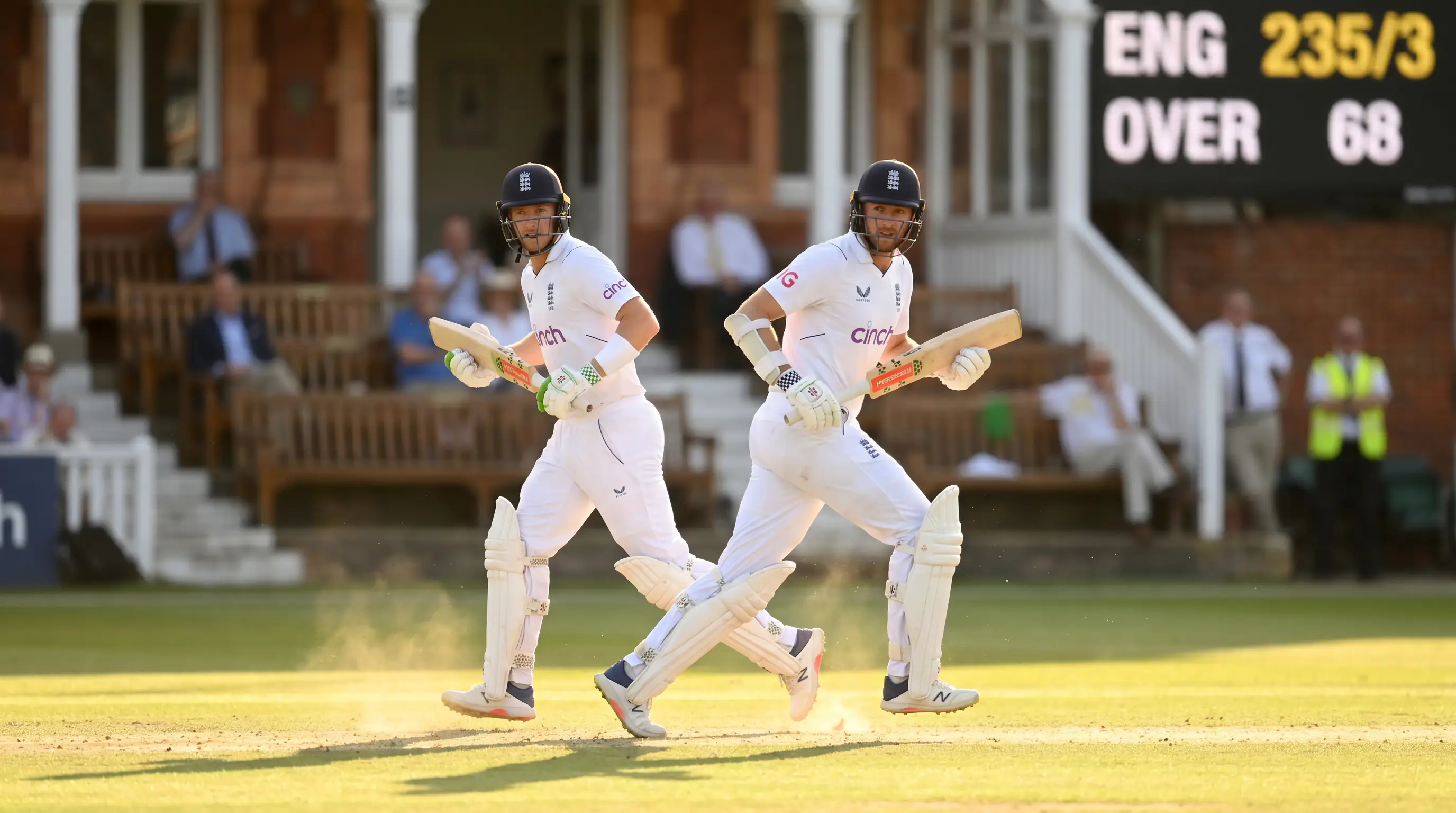
What that sample shows is that T20 partnerships are bi-modal: they either go to 40-plus or they collapse below 12. The middle ground — partnerships in the 20-35 range — happens less often than a normal distribution would predict. Pricing engines that fit a smooth distribution to this data systematically misprice the tails, which is where the value sits.
In Test cricket, the opposite is true. Partnerships in Tests are more normally distributed because the game’s tempo is slower and outliers in either direction are rare. The over-under line on a Test partnership is much closer to fairly priced, and the value pockets are narrower.
ODI sits between, leaning toward the T20 pattern in the powerplay and the middle overs and toward the Test pattern in the consolidation phase. For ball-by-ball decision points on the in-play next-wicket line, the delivery-level repricing logic covers the mechanics in detail.
Partnership Market Questions
Settlement edge cases on partnerships come up regularly. Two questions sit at the top of my inbox.
Are partnership markets voided if a batter retires injured?
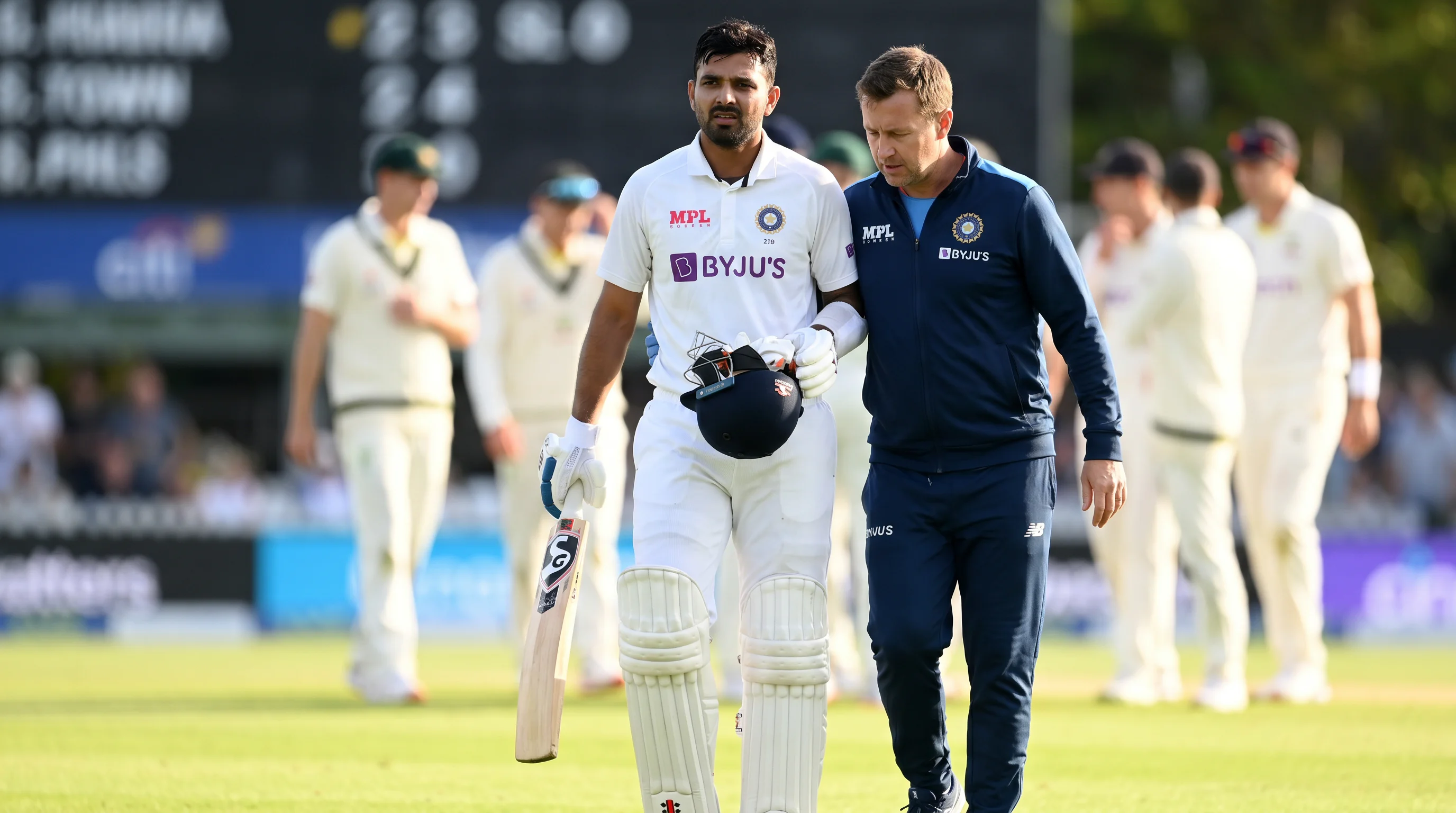
The default rule at most UK sportsbooks is that a partnership continues uninterrupted when a batter retires hurt and is replaced by a new batter. The replacement inherits the partnership with the surviving batter at the crease, and the market settles only when an actual dismissal is recorded. A minority of operators void the partnership on a retired-hurt event, treating it as an early end. The settlement page on the specific operator’s slip is the only reliable source for which rule applies — the difference can flip a near-winning bet to a refund.
How are extras counted toward a partnership?
Byes, leg byes, wides and no-balls are all included in the partnership total at UK sportsbooks following the standard cricket scoring convention. These extras contribute to both the team total and the partnership figure even though they are not credited to either individual batter’s score. Penalty runs awarded for fielding-side infringements during the partnership are also included. The only runs that are not counted toward the partnership are those scored after the partnership has officially ended with a wicket.
