
 Available in US
Content
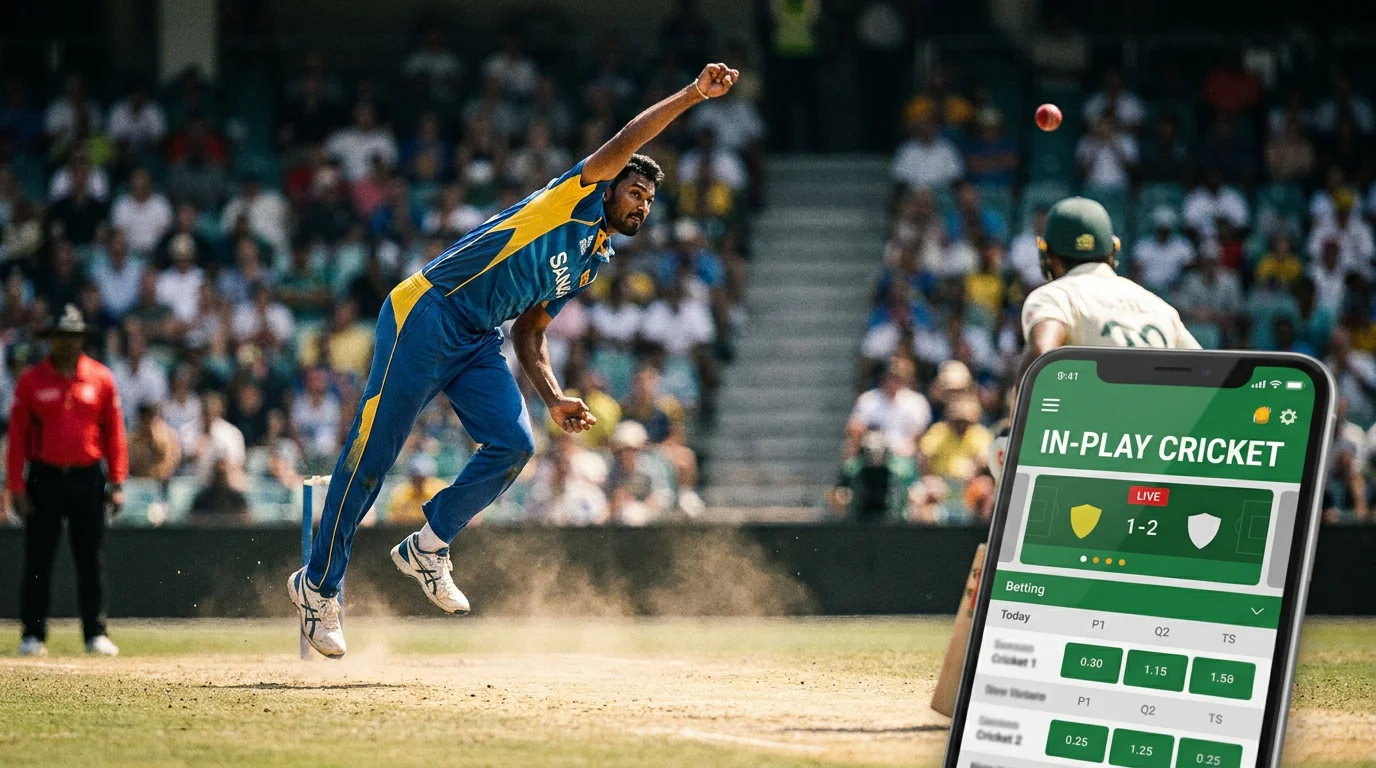
Why This Market Resets Every Single Ball
The next-wicket market is the closest cricket gets to a high-frequency trading venue. The odds reset between deliveries, sometimes between balls of the same over, and the punters who profit on this market consistently are reading game state with a finer resolution than the pricing engine can match. Everyone else is donating, slowly.
The bet itself is simple: stake on a specific outcome for the next wicket — usually method of dismissal, identity of dismissed batter, or the over in which the next wicket falls. Each variant has its own pricing logic. The common element is that all of them reprice ball by ball, and the punter who can interpret a fresh game state faster than the model finds occasional value windows worth catching.
The honest assessment is that this is not a beginner’s market. The variance is brutal, and the discipline required to bet only the value-positive moments is harder than it sounds.
The Pricing Window Between Balls
The time between deliveries in a T20 over is roughly 25 to 35 seconds. That window is the entire pricing horizon for the next-wicket market. The sportsbook’s pricing engine recalculates after each ball, the new odds appear on screen, and the next ball is bowled — sometimes before the punter has finished reading the updated number.
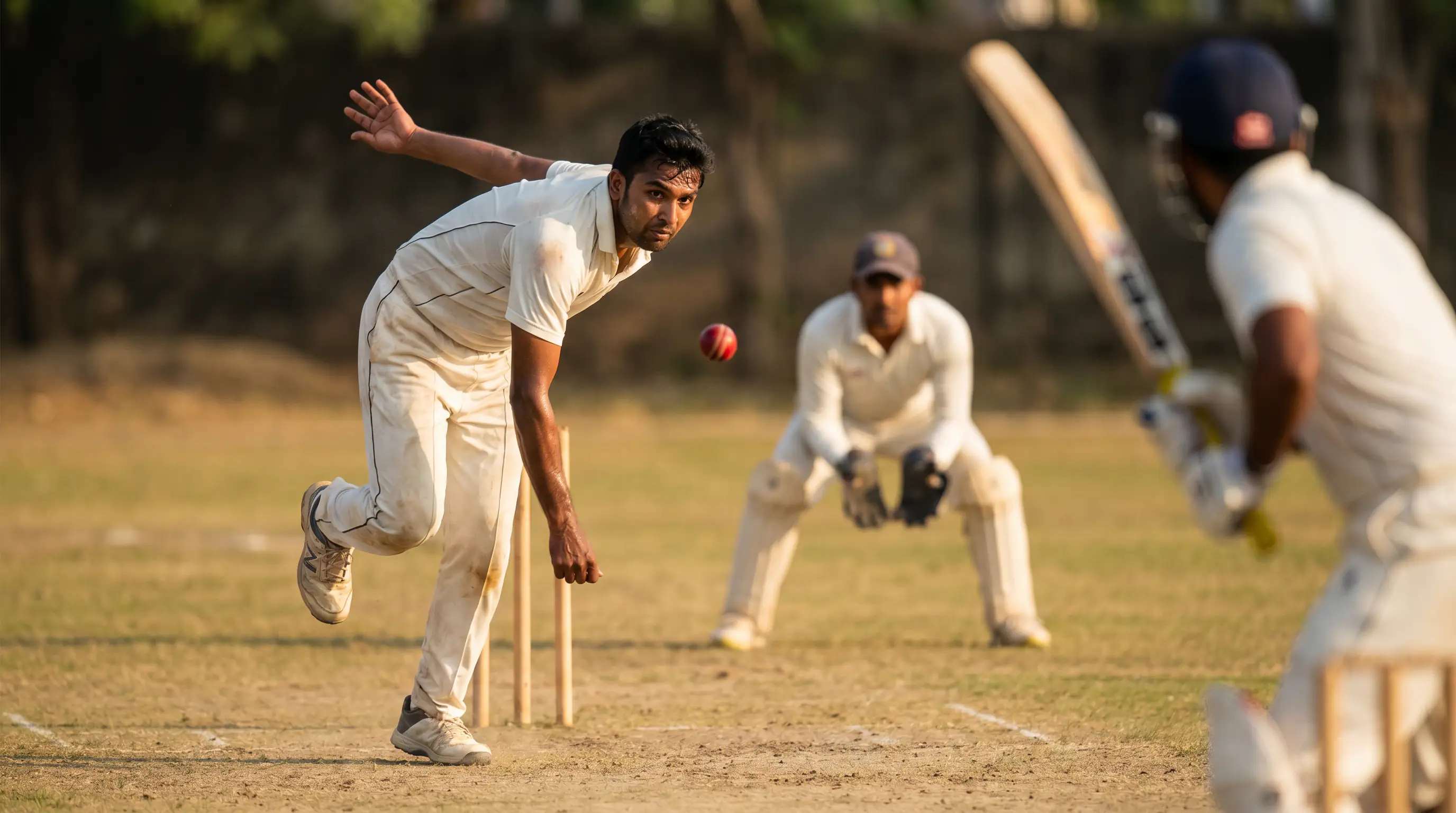
The infrastructure behind this speed is meaningful. Sportradar’s Universal Fraud Detection System flagged 56 per cent more suspicious matches in 2025 than in 2024, with the count rising from 436 to 682, and the same family of AI infrastructure now powers real-time pricing across every major UK book’s cricket markets. The model is sharp enough that the average mispricing on next-wicket lines has tightened materially over the last two seasons.
The integrity context shouldn’t be ignored. Khalid Ali, CEO of IBIA, framed the rise in alerts in this market context: “The increase to 300 alerts in 2025 should not be read as a direct indication of a rising integrity risk. Alert volumes are shaped by several factors, including the expansion of regulated betting markets and associated improvements in monitoring reach and effectiveness.” Expanded monitoring on these fast-moving in-play products is one reason the average pricing edge has compressed compared to five years ago.
Practical implication: you can’t sit on a manually identified value bet and wait. The price will move before you’ve finished entering the stake. Either commit immediately on the value read, or pass.
How Phase of Innings Shifts the Number
The probability of the next wicket falling on any given ball varies dramatically across the phases of an innings, and the displayed odds shift accordingly. Mapping the phases mentally is the first step toward reading the market.

Powerplay phase: high wicket probability per delivery. Fielding restrictions encourage batters to attack, attack against good bowling produces edges, and edges produce wickets. The next-wicket odds during powerplay typically sit at 7 to 10 per cent per ball, peaking around the third over when the openers have lost their initial caution but the new ball is still moving.
Middle overs: low wicket probability per delivery. The fielding restriction lifts, the bowling captain spreads the field, and batters settle into strike rotation. Per-ball wicket probability often drops below 3 per cent. The odds widen accordingly, and the next-wicket market becomes structurally less interesting for value-seeking — there’s simply less action.
Death overs: probability spikes back up. Batters are forced to take risks regardless of field placement, and aggressive shot selection produces a wicket peak. The death-overs per-ball wicket probability climbs back into the 7 to 10 per cent range, sometimes higher in T20 cricket where the boundary-or-bust mentality is strongest.
Test cricket phases work differently. The new-ball window in any session is the high-probability phase, with the soft-ball middle session being the low-probability phase, and the late session’s tired batters bringing probability back up. Pricing engines model these phase shifts well — the value in this market sits in nuances within the phase, not in the phase itself.
Top-Order vs Tail Dismissal Probability
The identity of the batter at the crease is the second axis on which the next-wicket market reprices, and it matters more than most punters factor in.
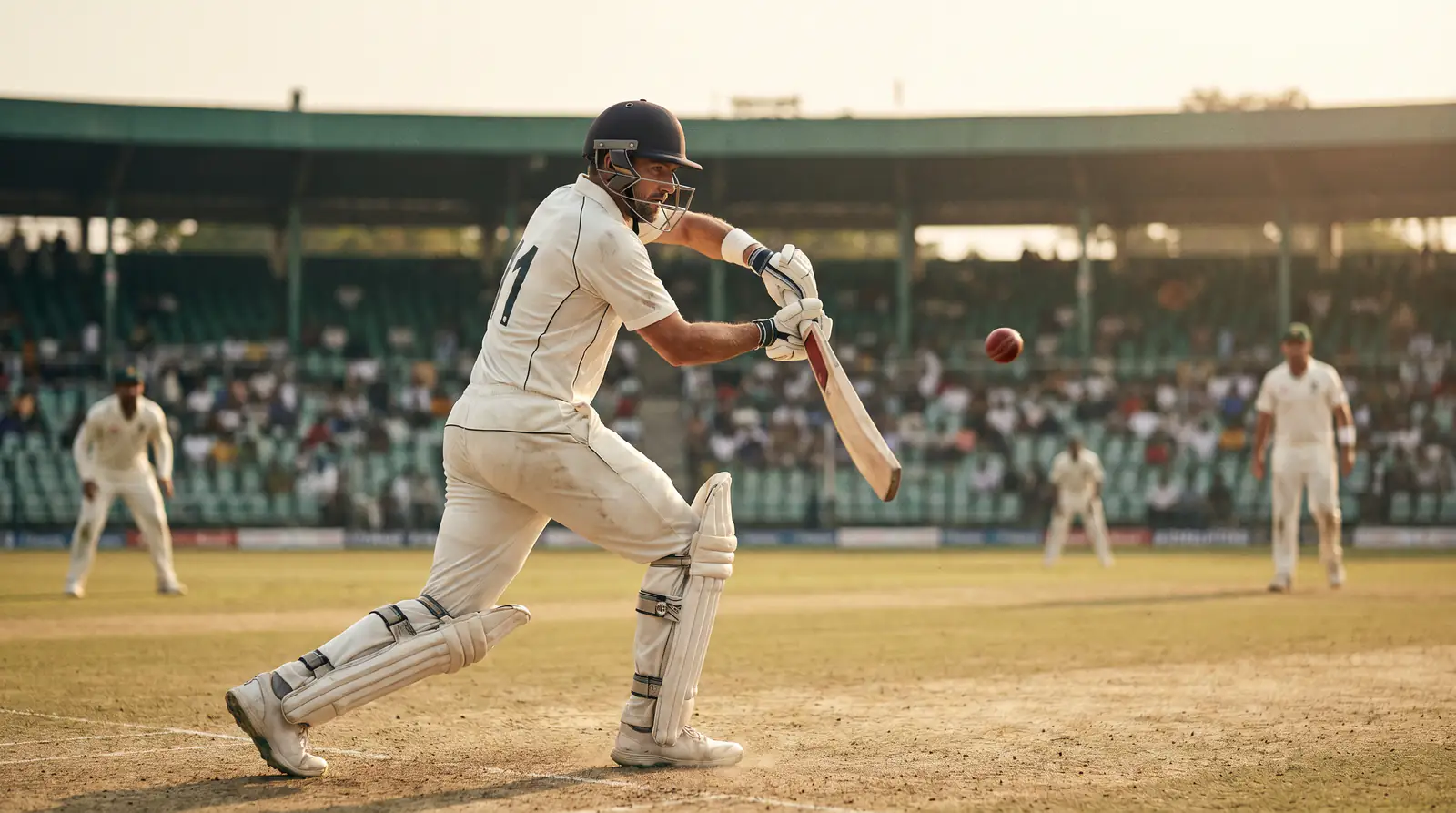
Top-order batters in international cricket have lower per-ball dismissal probability than tail-enders by a meaningful margin. The cleanest signal is the ratio of balls per dismissal: a top-six international batter typically faces 35 to 50 deliveries per dismissal across formats, while a number-ten bowler-batter faces 8 to 15. That’s a four-to-five-times difference in per-ball wicket probability.
Pricing engines factor this in by default — the odds on a tail-ender being the next dismissed are correspondingly shorter when a tail-ender is at the crease. The value pockets sit in the transitions. When a top-order batter has just been dismissed and a new top-order or middle-order batter is settling in, the per-ball dismissal probability is elevated above the new batter’s career average for the first 5 to 10 deliveries. The model knows this in theory; pricing it precisely in real time is harder.
The reverse trade exists too. A top-order batter who has reached 50 and is in deep form sees their per-ball dismissal probability drop below their career average. The pricing engine adjusts slowly to “set” batters — backing the over-on-balls-until-next-wicket when a top-order batter has just notched a milestone is a value angle I’ve worked successfully across multiple seasons.
Visual Signals That Move the Number Live
The reason live next-wicket pricing has any value pockets left at all is that pricing engines work from numerical inputs and miss visual signals. A batter playing and missing three balls in a row is a probability signal a human can see immediately and a model can only infer with lag. The number-per-over volume of UK online betting — close to 290 million bets are placed across British operators every month — creates enough liquidity that even compressed value windows are tradeable in real terms.

Three visual signals I watch for every over. First: a batter’s body language tightening up against pace — short, defensive movements, tucking the elbow in, scrunching toward the off-stump. These precede caught-behind dismissals more often than the rolling-average data captures. Second: a captain changing his field to a clearly attacking setup — extra slips, a short leg, a leg gully — which signals he’s seeing something in the batter the model isn’t picking up. Third: a bowler hitting a clear rhythm — three consecutive balls landing in the same six-inch patch on the pitch — which usually precedes a wicket within the next over.
None of these signals work in isolation. Combined, they form a probability read that the model can’t compute in real time. For the related question of when to lock in winnings from these reads rather than letting them run, the cash-out mechanics breakdown covers the maths in detail.
Next Wicket Reader Questions
Two questions about settlement edge cases on the next-wicket market come up consistently.
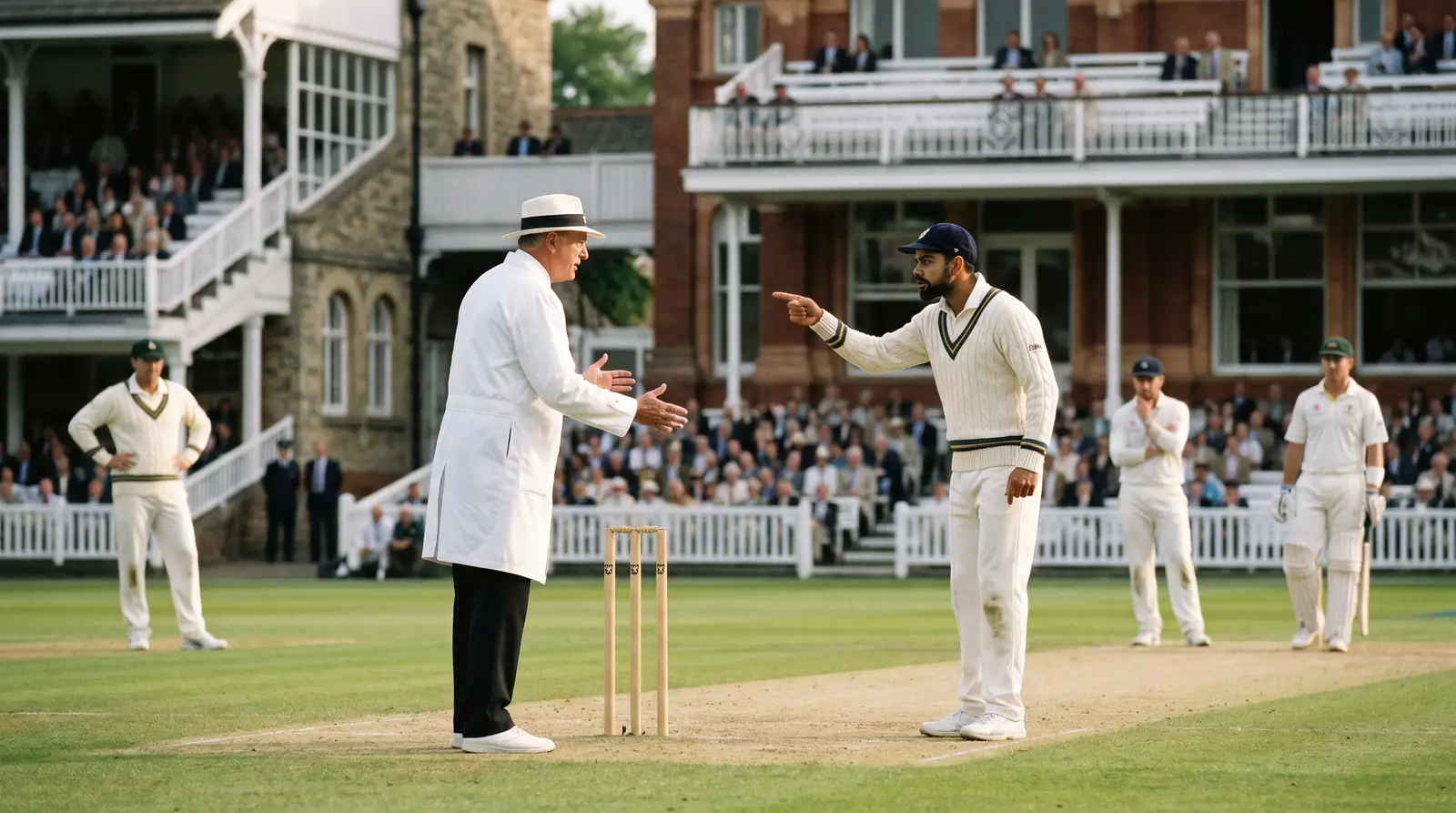
Is the next-wicket market suspended during reviews?
Yes, at every major UK sportsbook. When a third-umpire review is triggered — for caught-behind, LBW, run-out or stumping — the next-wicket market and most adjacent in-play markets are suspended until the review concludes. Pricing reopens at fresh odds once the umpire’s decision is announced and the next delivery is ready to be bowled. If you have a bet placed before the review begins, it stands and settles on the final ruling. Bets cannot be placed during the suspension window.
What if the innings ends without another wicket?
If the innings ends — through overs being completed, target being chased, declaration, or the innings being closed for any other reason — without another wicket falling, the next-wicket market is settled as void at most UK sportsbooks. Stakes are returned in full because the bet’s settlement condition was never met. A small minority of operators settle differently on specific innings-end edge cases, particularly on team-totals overlap markets, so the safest assumption is to check the specific operator’s in-play settlement page if betting late in an innings.
