
 Available in US
Content
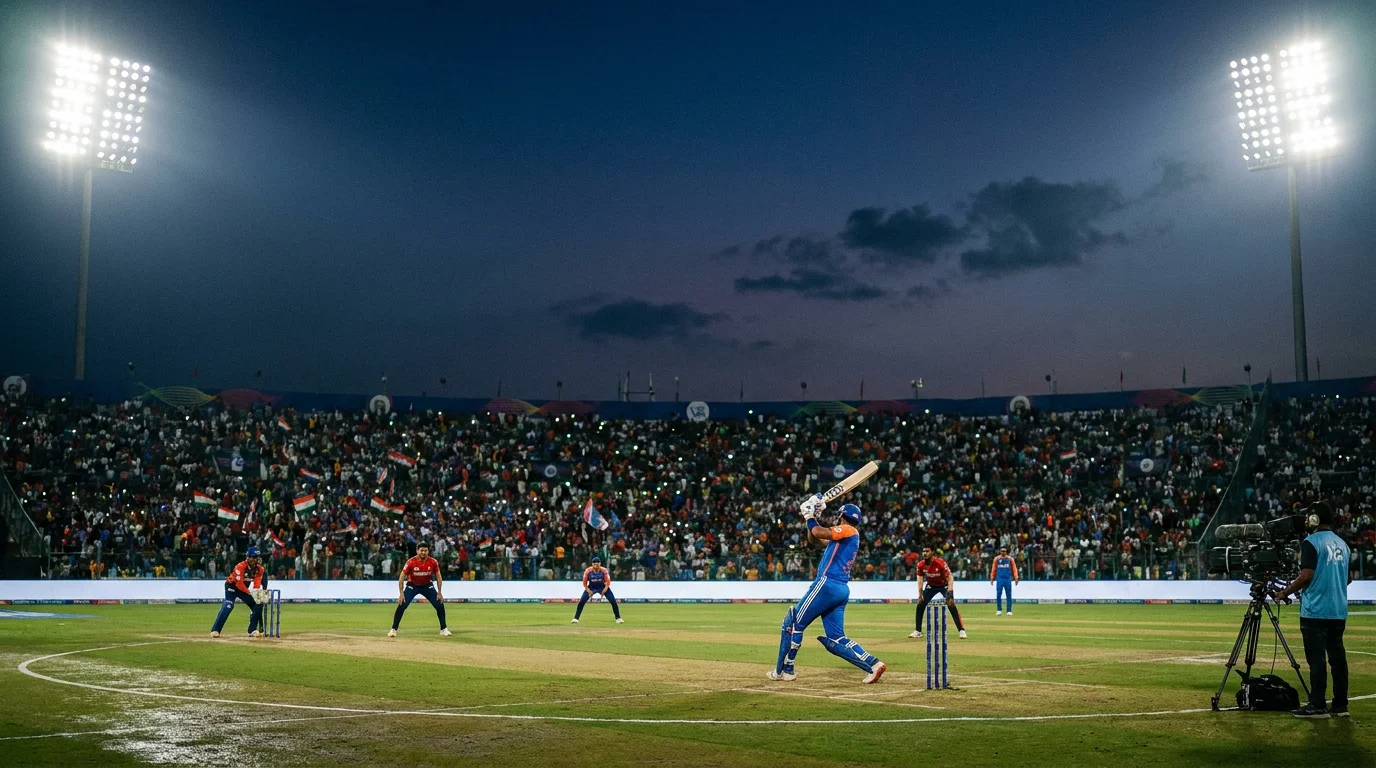
Why IPL Dominates UK Cricket Markets
The IPL is the only cricket tournament that genuinely competes with the Premier League for UK punter attention between April and May. The 2025 season pulled in more than a billion viewers across television and digital, with over 840 billion minutes watched globally, and digital consumption up 29% year on year. UK sportsbooks treat the tournament accordingly — front-page placement, deep market coverage, accumulator promotions specifically for IPL multiples.
What surprises punters new to the IPL is how different the pricing feels compared to international T20. Lines are sharper, in-play markets are deeper, and the bookmaker’s confidence in its own model is visibly higher. That confidence has been earned over eighteen seasons of data, and it shapes every market the IPL offers UK punters in 2026.
How T20 Franchise Format Shapes Lines
T20 franchise cricket is structurally different from international T20 in ways that affect every market. Squads are deeper. Overseas player rules cap the number of foreign players in the playing eleven. Strategic time-outs interrupt the flow. The points table rewards consistency over peak performance.
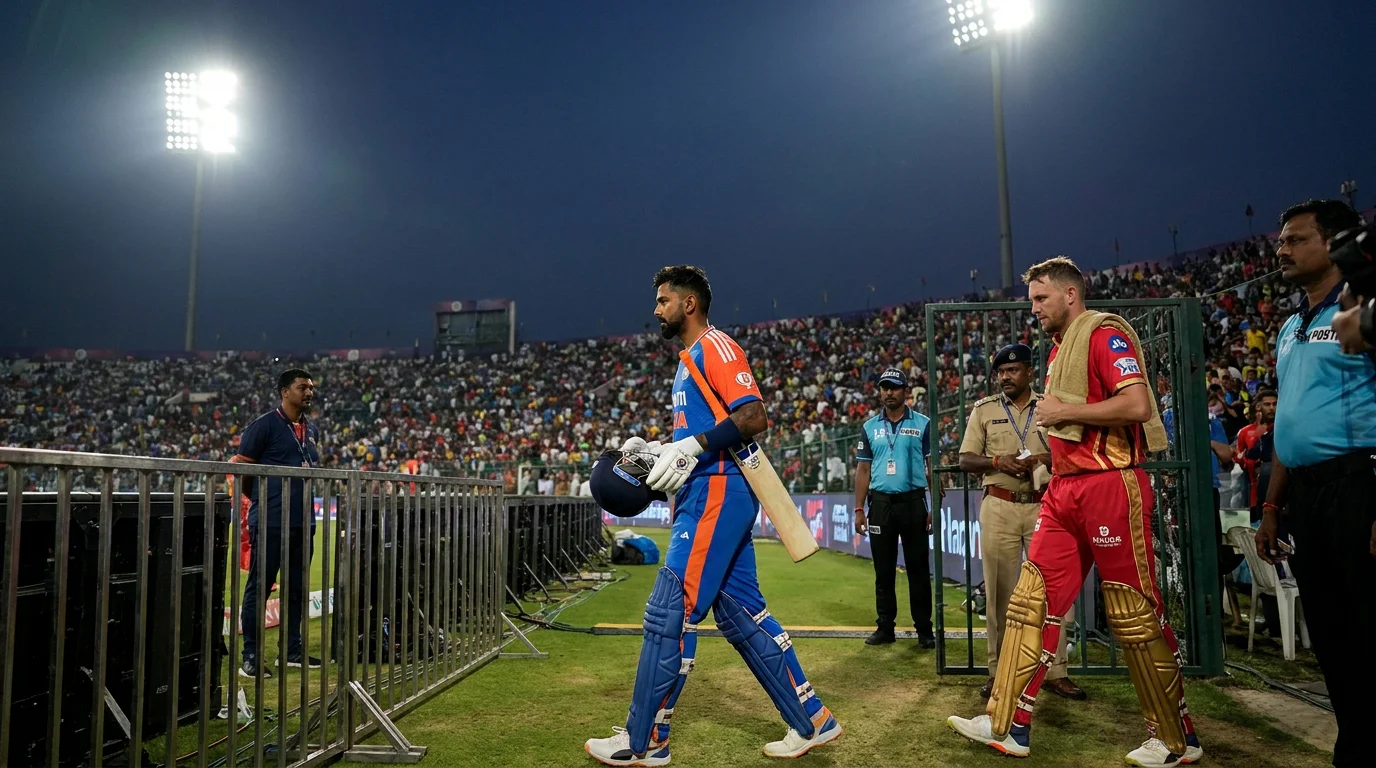
The first practical effect is that team-form trends matter less than punters from international cricket expect. A franchise that loses three games at the start of the IPL is not in the same trouble that an international side would be in. Their squad depth means they can rebuild quickly, and the structure of the tournament — fourteen league games, then playoffs — gives them time. UK sportsbooks price the outright market with this in mind, which is why early-season “value drift” on big franchises is often less than punters assume.
The second is that head-to-head records carry weight that overall form does not. The match-up between two specific franchises in a specific venue, with a specific overseas player combination, is a pricing input the IPL model knows well. International T20 does not produce that depth of head-to-head data. The result is that IPL match-winner markets are noticeably tighter than international T20 markets between roughly equivalent sides.
The third effect is impact-substitute rules. The Impact Player rule lets each side bring on a substitute mid-match, and the substitute can bat or bowl as a regular player. The rule shifts pricing on totals and player markets in ways that catch out punters who learned cricket betting before the rule existed. A side carrying a sixth bowling option as an Impact Player has different exposure than one carrying an extra batter — and the model prices that explicitly.
IPL-Specific Markets UK Sportsbooks Promote
The standard market suite — match winner, top batter, top bowler, total runs — is offered on every IPL fixture across every major UK book. The interesting markets are the IPL-specific ones.
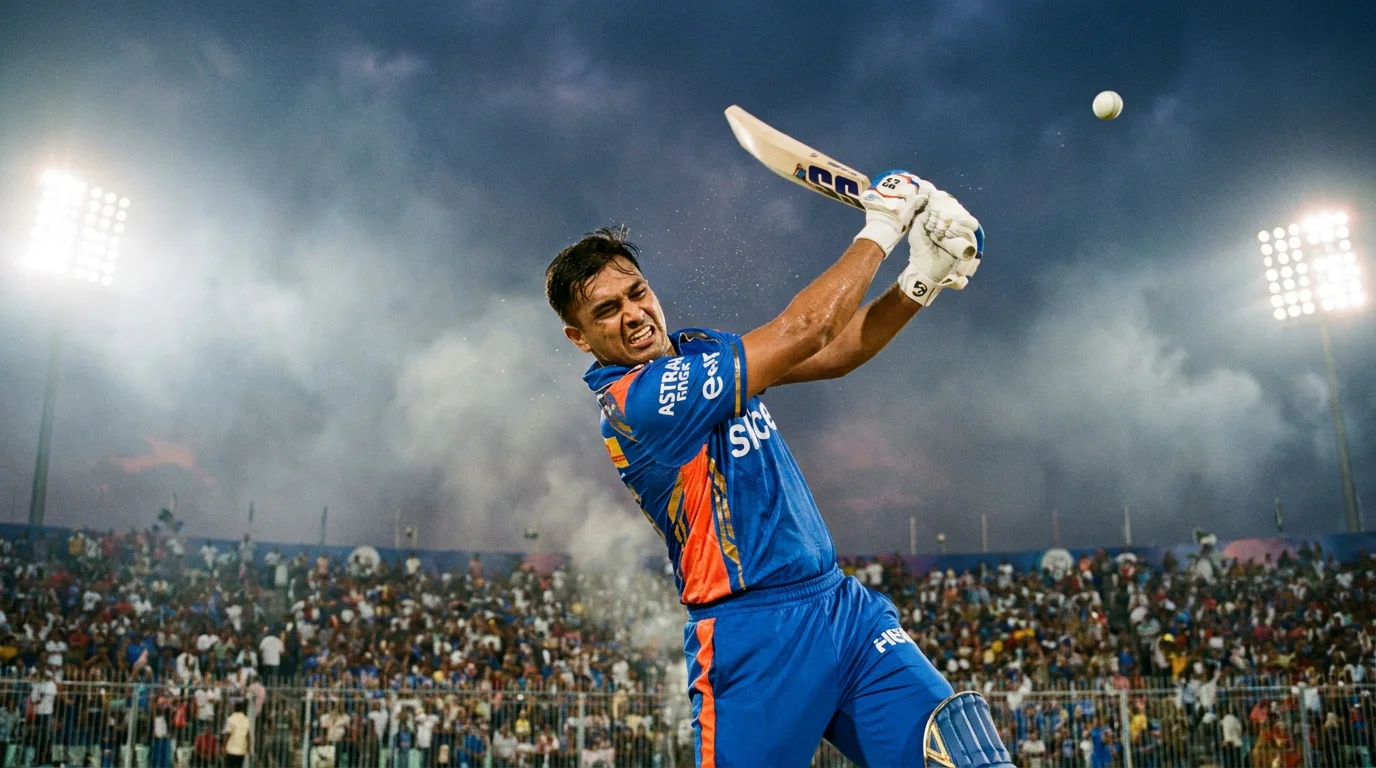
Most sixes in the match is a market UK bookmakers run on almost every IPL game and rarely run on international T20. The reason is the data — the IPL produces consistent six-rate patterns by venue and by team, and the model can price it confidently. The lines are sharp but the in-play movement is significant, which makes it a reasonable bet builder leg.
Powerplay totals are offered with finer bands in the IPL than in any other tournament. Bookmakers will quote four or five bands between 30 and 80 runs, where international T20 might only offer three. The granularity reflects model confidence.
Outright Orange Cap and Purple Cap markets — most runs and most wickets in the tournament — are a UK punter favourite. The pricing on these is shaped by squad role and batting position, not just historical form. A batter promoted to opener at the start of the season carries Orange Cap value that the headline form numbers do not reflect.
The Dew Factor on Evening IPL Fixtures
The dew factor is the single biggest pricing input on IPL matches played in the second half of the season, particularly in Chennai, Hyderabad, Mumbai and Kolkata. Evening matches in those cities see heavy dew form on the outfield from roughly the tenth over of the second innings onward.
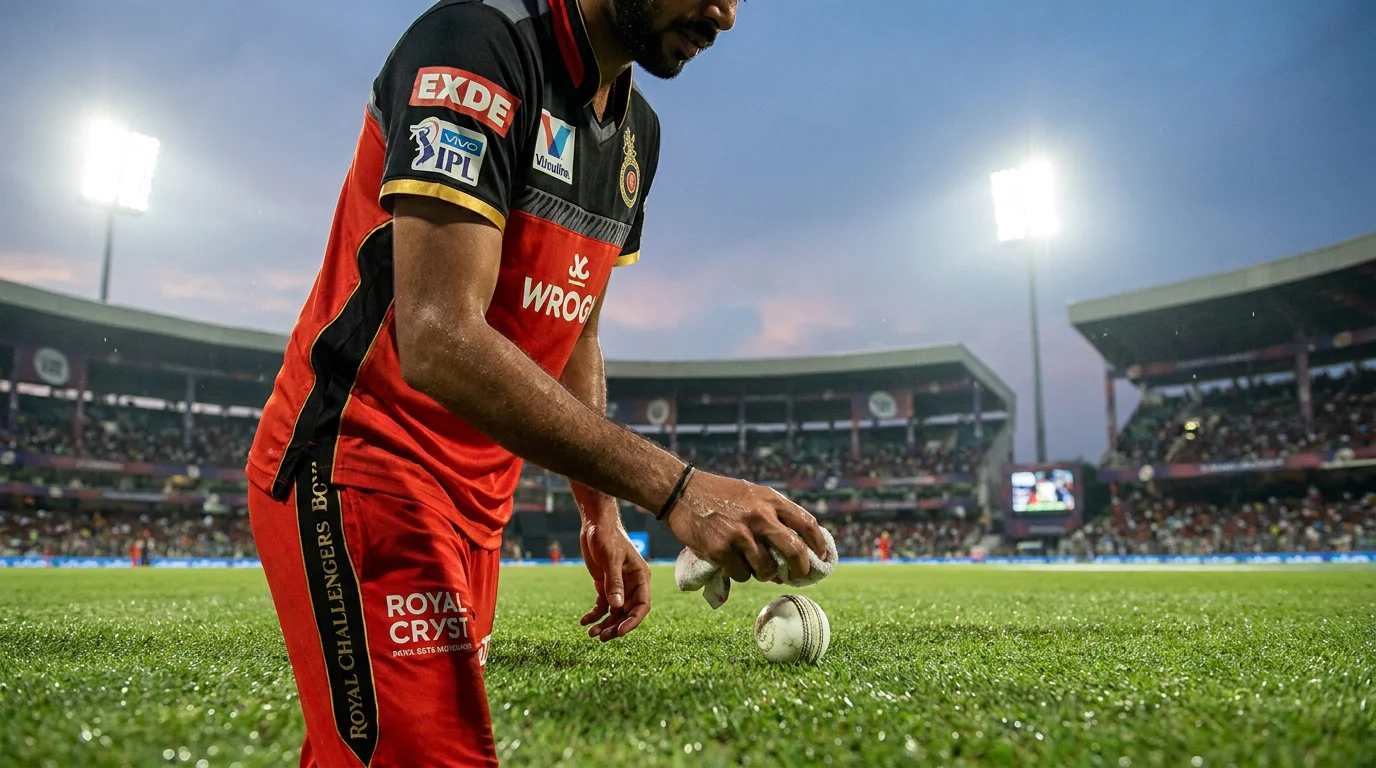
The effect on bowling is severe. Spin grip vanishes. Seam control degrades. The ball skids onto the bat. At the R. Premadasa Stadium in Colombo — which shares the climate profile of several southern Indian venues — dew in evening T20 matches reduces spinner effectiveness by roughly 20% in the second innings. The IPL pricing model applies similar adjustments to the Indian venues with documented dew patterns, which is why the team winning the toss in those evening matches at those venues is so heavily favoured to chase.
The implication for UK punters — the toss outcome on a dew-affected evening IPL match is one of the most price-sensitive moments in the entire tournament. The team-win price on the chasing side typically shortens by ten to fifteen percent the moment the toss decision is announced. Cash out values on bowling-first bets drift correspondingly.
I now treat the toss-loser bet on a dew-affected evening fixture as a live-trading opportunity, not a pre-match bet. The price will drift after the toss, and the price drift is often larger than the actual probability shift the toss represents.
How the IPL Auction Shifts Pre-Tournament Outrights
The IPL auction is the only off-field event in cricket that materially moves pre-tournament betting markets. The mini-auction before each season, and the mega-auction every three years, reshape squads in ways that bookmakers reprice within hours.

The headline shift is the outright winner market. A franchise that buys two premium overseas batters and an international death bowler will typically see their outright winner price shorten by twenty to thirty percent in the week after the auction, based on roster strength rather than form. The reverse — a franchise that loses key players in the auction or release window — can see their price drift by the same magnitude.
The subtler shift is in player markets. Orange Cap and Purple Cap markets reprice based on the slots a player will occupy in their new franchise. A batter moved from middle order to opener — even at the same franchise — sees their tournament markets shorten on most-runs lines, because the model is pricing additional balls faced.
For deeper context on the franchise league that draws the most UK weekend attention outside the IPL window, the Big Bash League markets guide covers the parallel pricing structures.
Trading the IPL With Eyes Open
The IPL rewards punters who pay attention to the inputs that move prices — toss outcomes, Impact Player selections, ground-specific dew patterns, head-to-head pricing depth, auction-driven squad shifts. The tournament is heavily traded, the model is mature, and the casual edges have largely been arbitraged out. What remains is a structured set of markets where a punter with a coherent read on conditions and squads can still find prices the model has not fully tightened.

Are IPL outright winner markets settled before the playoffs?
No. Outright tournament winner markets settle on the team that wins the final. League-stage performance does not settle the outright — only the playoff result does. Each-way terms on these markets vary by operator and are usually disclosed in the market terms.
Why do UK sportsbooks limit certain IPL ‘fancy’-style markets?
Markets that mirror unregulated ‘fancy’ lines — single-over runs, single-ball outcomes — are restricted because they sit in a high-integrity-risk category. UK-licensed operators apply tighter limits and offer narrower selections to reduce exposure to suspicious betting patterns flagged by integrity monitors.
