
 Available in US
Content
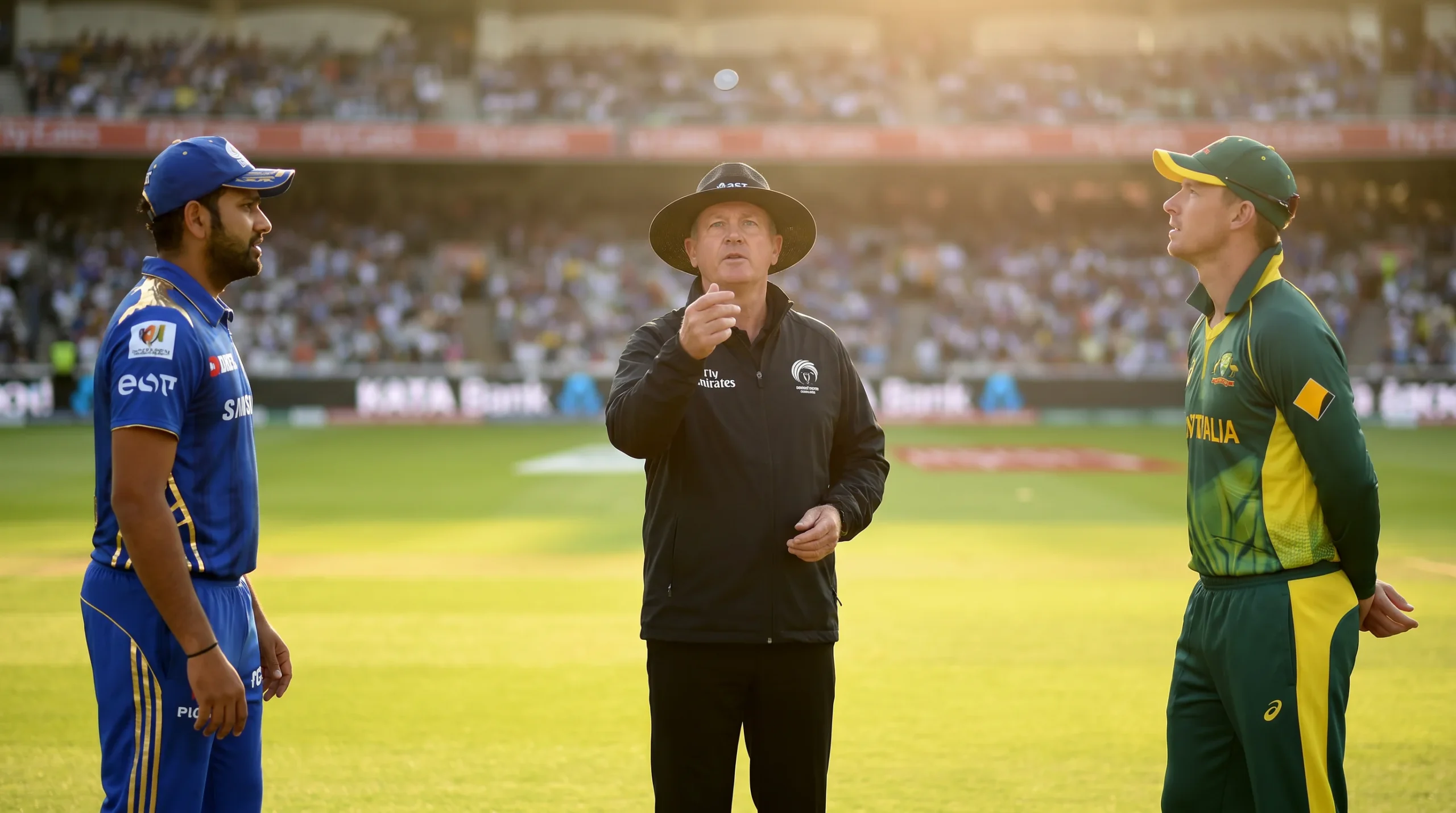
Why a 50/50 Market Still Carries a Margin
The first time I priced a toss market for a colleague’s spreadsheet, he asked me why anyone in their right mind would back something as random as a coin flip. Nine years later, I still get that question — and the honest answer is that the toss is the cleanest experiment a bookmaker can run on you.
A coin call is the only market in cricket where neither captain, pitch, nor weather can shift the underlying probability. It sits at exactly 50 per cent for each side, before anyone has rolled their arm over. Yet every UK sportsbook I’ve shopped at this season prices it at 5/6 or 10/11. That gap between the true odds and the displayed price is the entire reason this market exists on a slip — and the entire reason punters keep losing money on it without understanding why.
If you want to learn how a bookmaker’s pricing engine thinks, the toss is the perfect lab. It strips away skill, weather and reading of conditions. What’s left is pure margin geometry, and once you can see it on a toss line, you can see it everywhere else.
How the Toss Market Is Settled
I keep a running joke that the toss is the only cricket bet where the umpires care more about the coin than the players do. The settlement rules behind it are surprisingly strict, and reading them properly will save you a refund argument at some point.
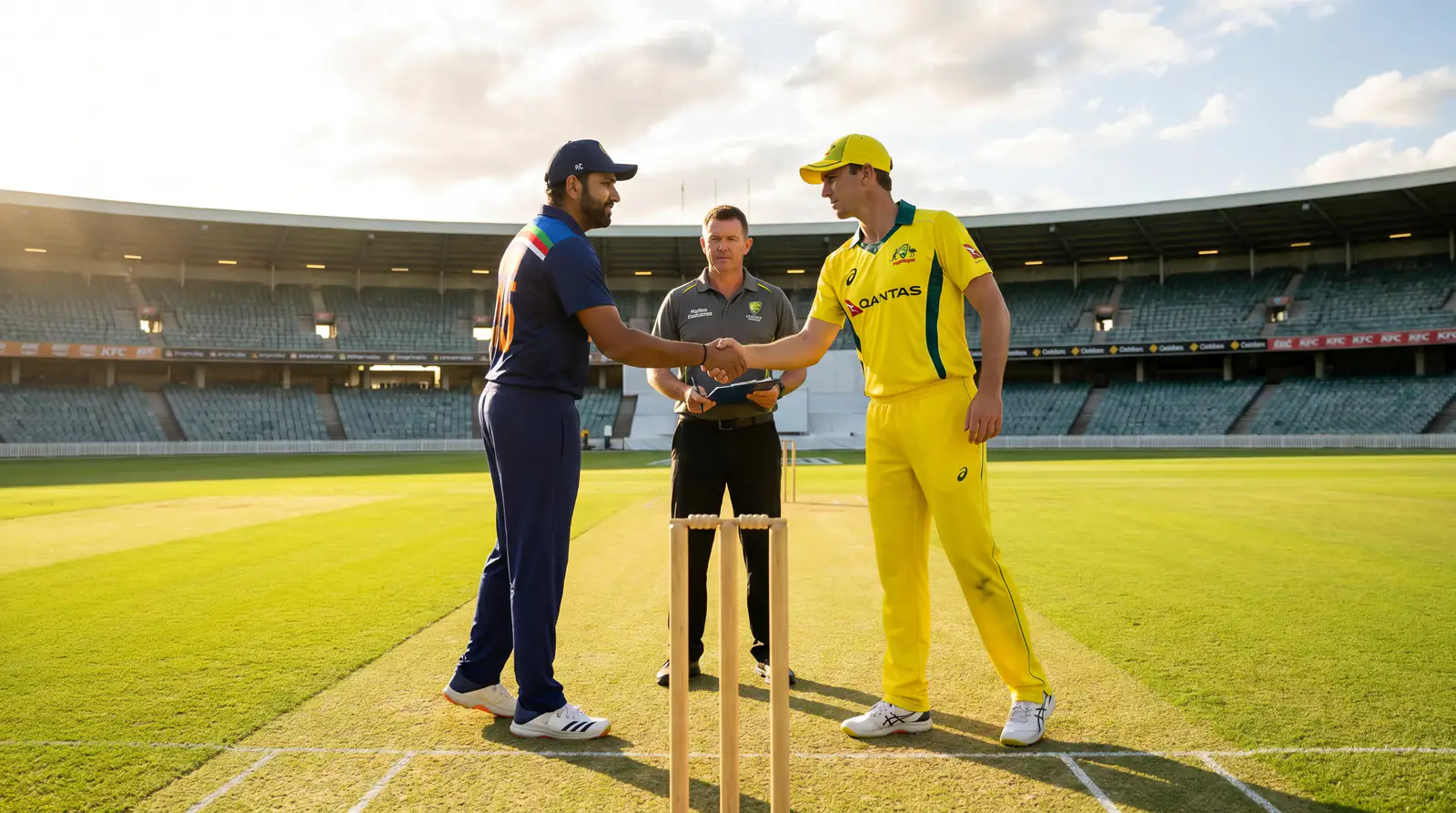
UK sportsbooks settle the toss market on the result of the official pre-match coin toss as conducted by the match referee and broadcast on the host feed. The winning captain — the one who correctly calls heads or tails — wins the bet for that team, regardless of whether they then elect to bat or field. The decision to bat or bowl first is a separate market entirely on most platforms.
A toss is voided in three scenarios I’ve watched play out at one ground or another. First, if no toss takes place because the match is abandoned before play. Second, if the toss is rescheduled to the next day after a wash-out and the original toss is officially scrapped. Third, if a venue change forces a re-toss after lines have closed at the original price. The third case is rare but happens in subcontinent T20 cricket more often than you’d think.
One detail worth flagging: in series where a single toss covers a one-off or a shortened format, partial-overs cancellations don’t usually void the toss settlement unless the toss itself was disputed. The bet is on the coin landing, not on the match being completed.
Where Bookmakers Build Their Toss Margin
I’ve spent more hours than I care to admit pulling toss prices off a handful of UK books and stacking them in a single column. The pattern is so consistent it could be tattooed on a trader’s wrist: 5/6 each way is the default, and it stays there whether the match is an England Test at Lord’s or an obscure CPL eliminator at midnight.

Convert 5/6 to implied probability and you get 54.55 per cent. Two outcomes priced at 54.55 per cent each gives you a book of 109.1 per cent — a margin of just over 9 per cent on a market with absolutely no skill component. That is significantly higher than the overround you’ll see on a heavily traded match-winner line, where competition between sportsbooks tightens the book to around 102 to 105 per cent on a major fixture.
The reason is volume and indifference. UK punters place close to 290 million online bets every month, and only a thin sliver of that lands on toss lines, which means books have no commercial reason to compete on the price. The market is small enough that nobody is shopping it carefully, so the margin sits where it sits and quietly does its work over a season.
The regulator has signalled where it wants this consumer transparency conversation to go. Tim Miller, the UKGC’s Executive Director of Policy, put it bluntly in his Peers for Gambling Reform speech: “These changes are aimed at making gambling in Britain fundamentally safer, fairer, and better understood by consumers.” The 9 per cent overround on a coin flip isn’t illegal — it’s just a market where the price/value gap is unusually easy to see if anyone bothers to look.
If you want a single rule I’ve used for years: never bet a toss at worse than 10/11. At evens you’re betting a true 50 per cent market against a 4.76 per cent margin, which is still rough but survivable. Anything shorter is essentially paying the sportsbook for the privilege of guessing.
Why Captains Choose Differently by Format
Here’s a question I ask every junior analyst on day one: why does the side that wins the toss in a T20 in Mumbai almost always bowl second, while the side that wins it in a Test at Headingley almost always bowl first? The answer is what makes the toss-plus-decision combo more interesting than the toss alone.
In Test cricket on green English wickets, the data is unambiguous. At Headingley during the 2025 series, sides that chose to bowl first in cloudy conditions won 83 per cent of the matches. That single number changes the way I look at toss-decision combo markets at that venue. The captain isn’t gambling — they’re following a near-deterministic edge.
In T20 cricket, the logic inverts. Evening starts on subcontinent pitches mean dew arrives after the first innings, the ball skids on, and chasing becomes materially easier. Toss-winning captains in evening T20s on the subcontinent elect to bowl first close to 80 per cent of the time across the franchise leagues I track.
This matters for betting because the decision-after-toss markets — “Toss winner to elect to bat” or “to bowl” — are priced separately. If you’re confident a captain will follow format orthodoxy, that secondary market often carries more value than the toss line itself. The 11/10 you can sometimes find on “winner elects to bowl” in a CPL match at Trinbago is, in my book, miles ahead of a coin call.
Combining Toss with Match Result Markets
The first time I saw a “Team A to win toss and match” line, I laughed at the offered price and then sat down and built the maths on a napkin. That napkin still lives in a folder somewhere because the lesson it gave me is still useful.

The price of a combo bet should be the product of two independent probabilities, plus the book’s margin. If Team A wins the toss 50 per cent of the time and wins the match 60 per cent of the time, the combo probability is 30 per cent — fair odds of 7/3 before margin. UK sportsbooks routinely price this combo at 5/2 or even 9/4, which builds in a fatter margin than the toss and match markets carry separately.
The toss-and-match combo is therefore one of the worst-priced products on the slip from a value perspective, and I treat it accordingly. It’s a fun bet, not an edge bet. If you’re in a market with deep liquidity and tight overround on the match-winner, you’re almost always better off splitting your stake across the two markets individually and ignoring the combo entirely. The exception is when you genuinely believe the toss decision will materially shift match probability — which happens at maybe two grounds in world cricket. For everything else, see the conditions-driven pricing breakdown before adding the toss leg.
Toss Market Questions
Two questions come up in my inbox more than any others on the toss market — both about what happens when the cricket doesn’t cooperate with the slip.
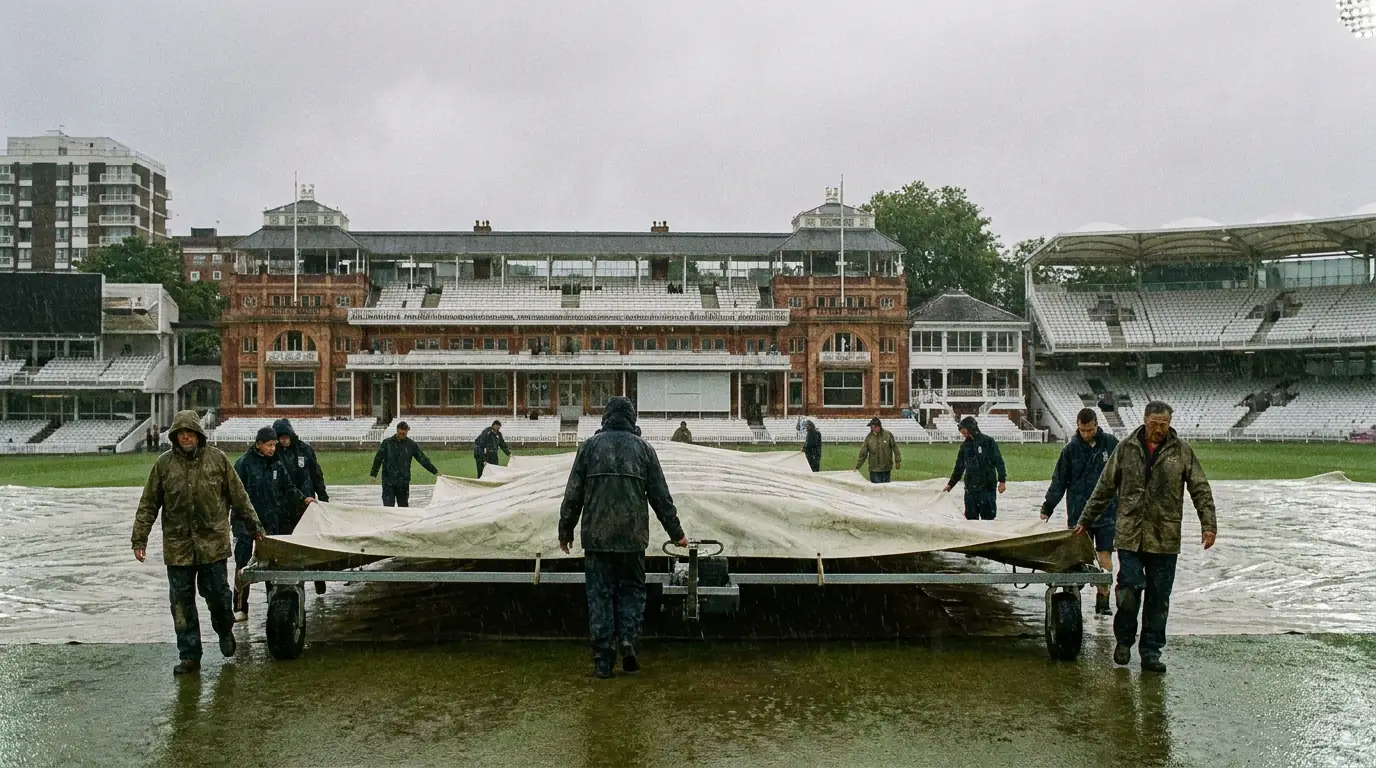
What happens to a toss bet if the toss is delayed by rain?
If the toss is delayed but still occurs on the scheduled match day, the bet stands and settles on the official result. If the toss is postponed to a separate day and conducted afresh, most UK sportsbooks void the original market and may reopen pricing at fresh odds. If the match is abandoned before any toss occurs at all, the bet is voided and stakes returned.
Can a no-toss event void all related markets?
Yes. When no official toss takes place — usually because the match is called off before any play — every market that depends on the toss is voided, including the toss winner, decision-after-toss, and combo markets that include a toss leg. Markets that don’t reference the toss directly, such as outright series winners, are not affected by the void.
