
 Available in US
Content
Why Conditions Move Cricket Odds More Than Form
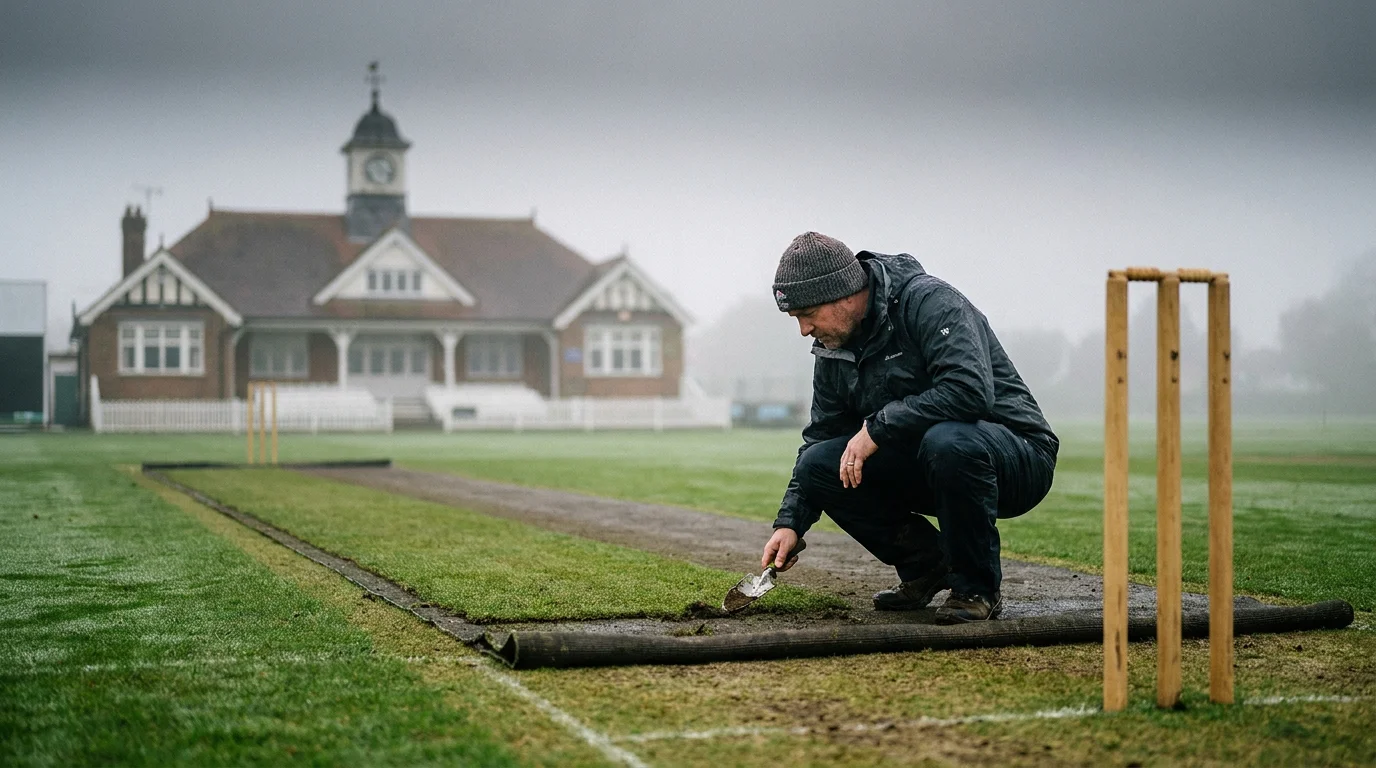
The single biggest lesson I have learned in nine years of trading cricket markets is that conditions move odds more reliably than form. A team in form can fail on a green seamer at Headingley. A team out of form can dominate on a flat surface in Mumbai. The pricing model knows this. The casual punter often does not. The gap between what the model knows about conditions and what the casual punter knows is where most of the bookmaker margin gets extracted on cricket markets.
This is not abstract. The data on specific venues, specific conditions and specific surface types is granular enough that bookmakers price small changes — cloud cover at Headingley, dew at Premadasa, damp surface at Edgbaston — with measurable precision. Punters who read conditions carefully can stay roughly level with the model. Punters who do not are conceding pricing power before the bet is placed.
Pitch Types and Their Quantified Effect
The four broad pitch categories that UK cricket markets price differently are the green seamer, the flat batting surface, the spinning track and the variable-bounce surface. Each produces a different probability distribution for runs, wickets, dismissal methods and bowler performance.

Green seamers favour pace bowlers with seam control. The Headingley surface during the 2025 England-India series produced a clear contrast — the batting average on the sunny final day was around 40, against 26 on the cloudy first day. The difference was almost entirely about how much the ball moved off the surface, and the pricing on top batter markets, total runs markets and powerplay totals all reflected the surface behaviour through the match.
Flat batting surfaces produce higher totals and lower wicket counts. The pricing implication is that totals lines are set higher, method-of-dismissal markets weight more toward caught dismissals, and top bowler markets become harder to call because no single bowler dominates the wickets column. UK bookmakers price IPL venues on this basis routinely.
Spinning tracks favour finger and wrist spinners over pacers. Subcontinental venues produce these surfaces most consistently, but English late-season pitches sometimes turn enough to shift the pricing. The top bowler markets on a spinning surface are typically priced with the specialist spinners as favourites, and the casual back-the-pace-attack habit loses value on these surfaces.
Variable-bounce surfaces are the most unpredictable category, and the bookmaker’s model handles them by widening the margins on player markets. Total runs lines on variable-bounce surfaces are set wider than on consistent surfaces, because the variance per innings is higher.
Cloud Cover and Swing: Headingley 2025
The Headingley data point from 2025 deserves close reading because it captures the cloud-swing relationship in one venue across one series. Sides electing to bowl first in cloudy conditions at Headingley during 2025 won approximately 83% of matches. The pricing implication is severe — backing the bowling-first side at the toss in cloudy conditions at Headingley is one of the strongest positional patterns in English summer cricket.
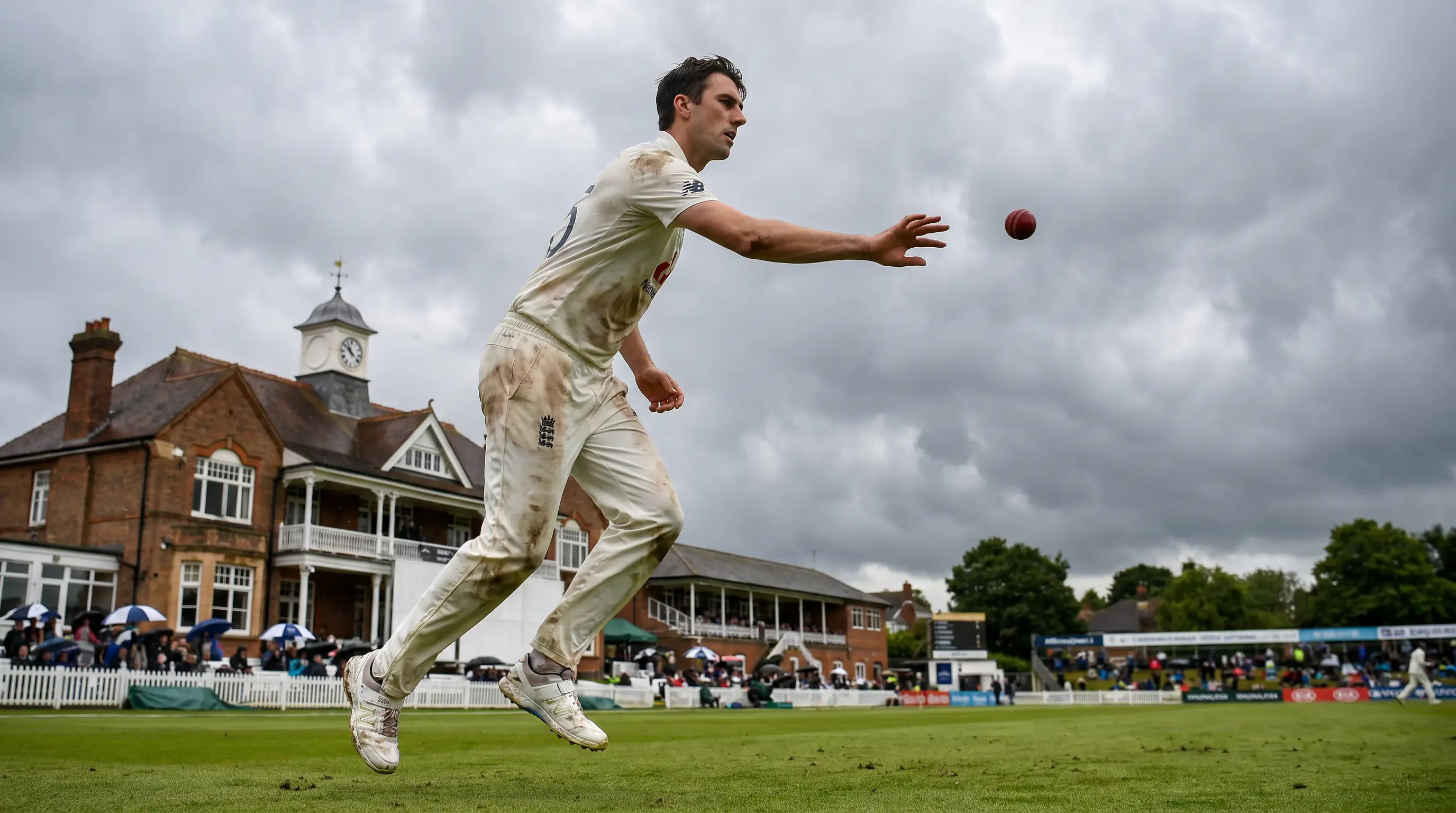
The mechanism is the Dukes ball behaving differently under cloud cover. Atmospheric pressure, humidity and the ball’s interaction with cooler air all combine to produce noticeably more swing in cloudy conditions than in sunny ones. Pacers who rely on swing — both the conventional and the late variety — pick up more wickets in the first session of a cloudy day than they do at any other point.
UK bookmakers price the cloud cover into Headingley match-winner markets explicitly. The match-winner price on the bowling-first side typically shortens by ten to fifteen percent the moment a cloudy forecast is confirmed. Top bowler markets on the same side shorten correspondingly. Punters who place pre-match bets on Headingley fixtures without checking the cloud cover forecast are betting against the model on a factor the model has already priced.
The same pattern holds at other English venues with similar atmospheric characteristics. Lord’s, Trent Bridge and the Riverside in Durham all see cloud-swing effects that bookmakers price into their match models. The effect is less severe at the Oval and at Edgbaston, where the surfaces produce different bowling advantages independent of the atmospheric conditions.
Dew and Spin Effectiveness: R. Premadasa
The dew effect on evening T20 cricket is the cleanest example of a quantifiable conditions input in subcontinental cricket. At the R. Premadasa Stadium in Colombo, dew in evening T20 matches reduces spinner effectiveness by approximately 20% in the second innings. The figure is calibrated from multiple seasons of data and is built into the bookmaker’s match model.

The mechanism is the wet ball after dew forms. Finger spinners lose grip. Wrist spinners struggle to land the ball where they want. The bowling side cannot keep the ball dry once the outfield is wet, regardless of how often the towel is used. The result is that a spin-heavy bowling attack defending a total at the Premadasa loses meaningful effectiveness in the second innings of a dew-affected match.
The pricing pattern is consistent. The team winning the toss at the Premadasa in evening T20 conditions is priced at a premium of roughly ten to fifteen percent on the chasing side relative to the batting-first side. The toss decision in these conditions is almost universally to bowl first, which removes the toss-decision uncertainty from the market and makes the pre-toss outright price more meaningful as a probability estimate.
Similar dew patterns affect other subcontinental venues during the relevant seasons. Chennai, Mumbai and Bangalore all see dew effects on evening matches at certain points in their seasons. UK bookmakers price each venue separately based on the local dew data, which is why the toss premium varies between venues even within the same tournament.
Reading a Pitch Report Like a Trader
The pitch report — the brief commentary segment before play in which a presenter or former player walks the surface and describes its likely behaviour — is sometimes the most useful five minutes of a cricket broadcast for a punter. The presenter is reading what they see, and what they see is the same information the bookmaker’s local pitch scout is reporting to the trading desk.
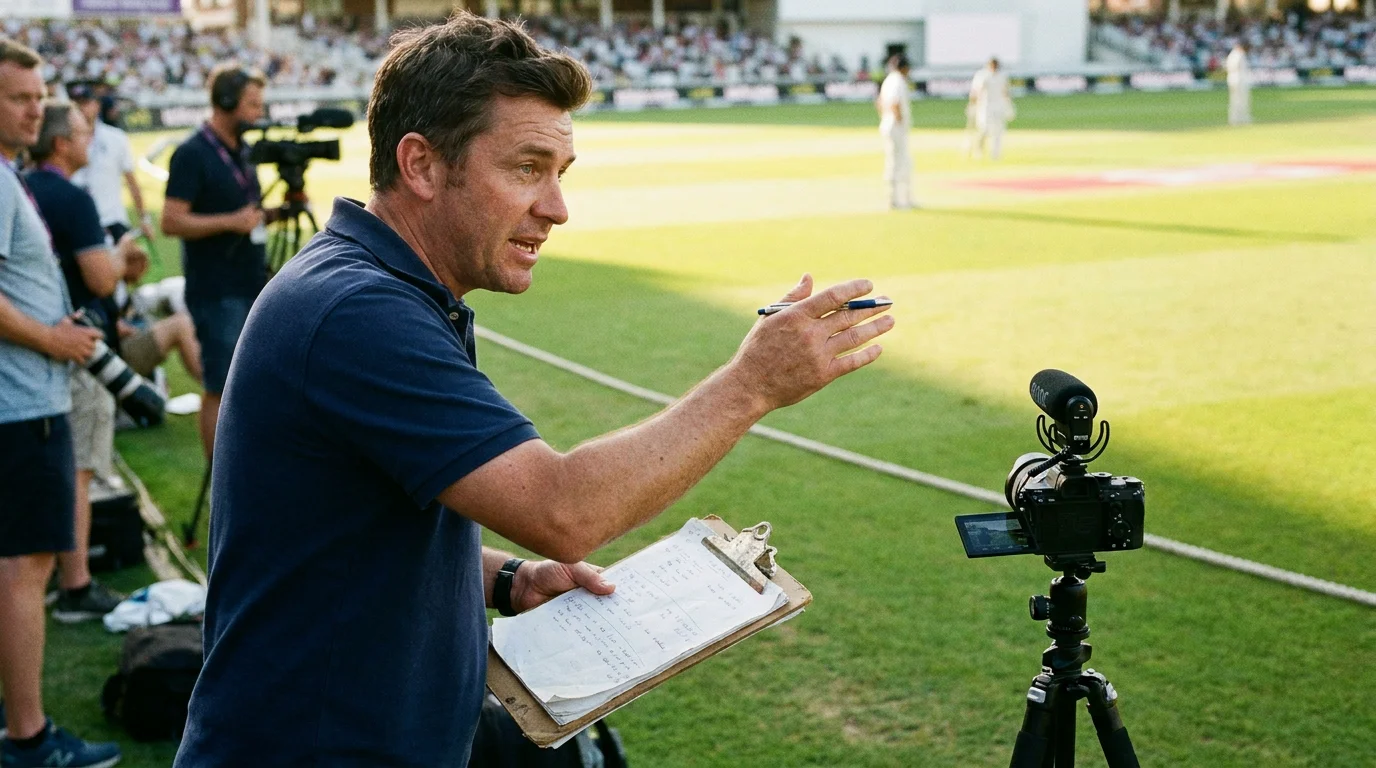
The information I look for in a pitch report is moisture, grass cover, cracks and footmarks. Moisture means seam movement and pace. Grass cover means swing and seam, especially in the first hour. Cracks mean variable bounce, typically more in the second innings of a Test. Footmarks mean spin from day three onward, especially for left-arm spinners bowling at right-hand batters.
The reports are not always precise, but they give me a fast read on the surface that I can match against the pricing. If the pitch report describes a green seamer at Headingley and the match-winner market is priced as a toss-up, the bowling-first side is value. If the report describes a flat batting surface and the totals line looks low, the over is value. The skill is not in predicting conditions — the experts on the pitch report do that better than I can — but in matching the conditions read to the market and identifying gaps.
The damp-surface effect at Edgbaston, where rain or damp conditions increase pacer wickets by roughly 15% versus dry conditions, is exactly the kind of conditions input that the pitch report flags and the model has already priced. The punter’s job is to verify both before staking. For deeper context on how rain-affected conditions interact with bookmaker repricing in limited-overs cricket, the DLS method and cricket betting guide covers the par-score mechanics in detail.
Pricing Cricket With Conditions in Mind
The punters who profit on cricket markets long-term are the ones who treat conditions as the primary input and form as the secondary input. The model does this. The casual punter often inverts it. Closing the gap takes ten minutes of pitch and weather reading before staking, and it is the most reliable way to extract sustainable value from UK cricket markets.
Do UK sportsbooks reprice for in-game humidity changes?
Yes. The trading models track humidity and atmospheric pressure changes throughout play and reprice match-winner and total runs markets when conditions shift meaningfully. The repricing is usually visible within minutes of a significant weather change, particularly in English summer Tests where cloud cover affects swing.
How reliable are pre-match pitch reports for betting decisions?
Pre-match pitch reports give a reasonable read on the surface but are less reliable than reports delivered immediately before the toss, when groundskeeping decisions about watering and rolling have been finalised. Punters who can wait until the pre-toss pitch report get a sharper conditions read than those staking on the morning forecast.
