
 Available in US
Content
Why Ashes Markets Open Months Before First Ball
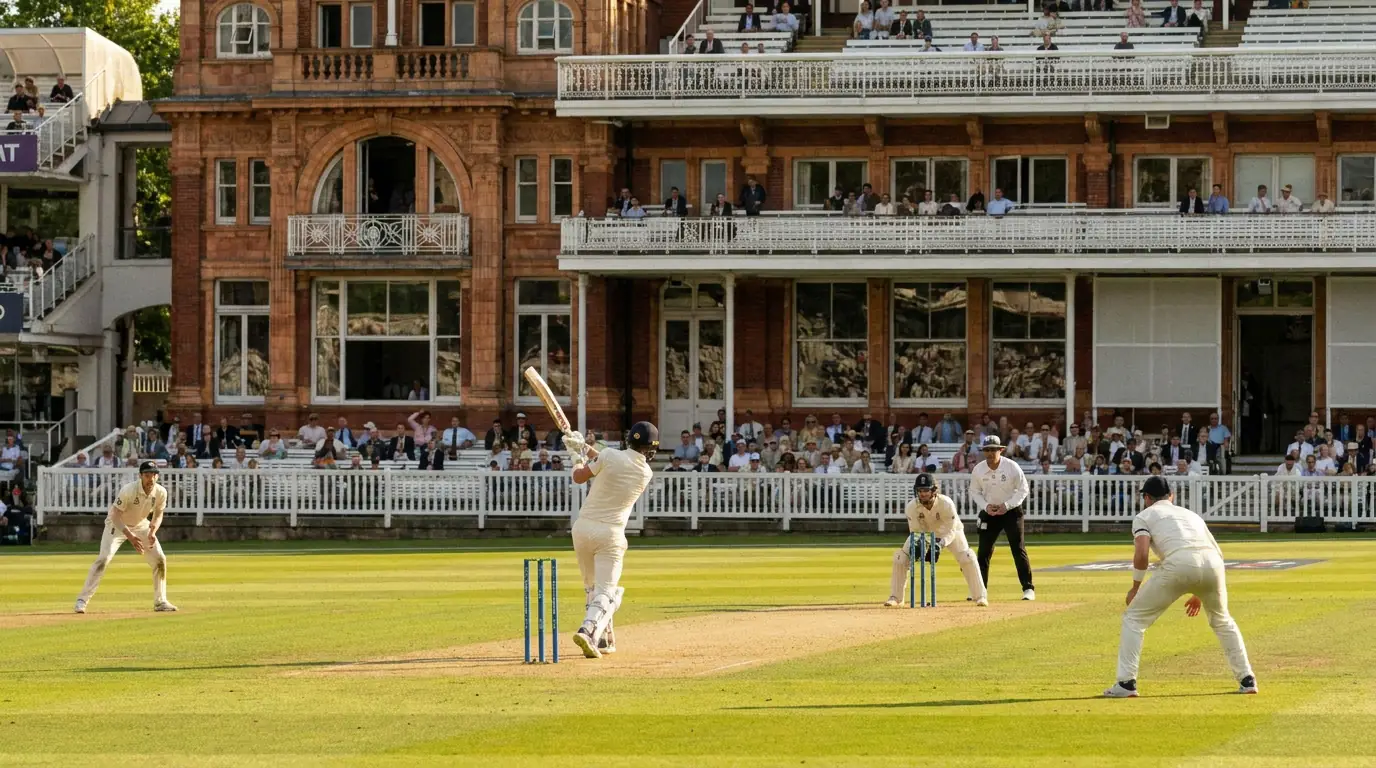
The Ashes outright markets are on UK sportsbook screens roughly nine months before the first Test starts. That is unusual for any other cricket series. England-India outrights typically open three months before the first match. New Zealand-South Africa outrights might appear two months out. The Ashes is treated as a different commercial product entirely, and the early-opening pricing reflects sustained UK punter demand throughout the build-up.
The structural reason is that the Ashes is the only cricket series most casual UK punters bet on. Outright markets need volume to refine, and the early opening lets the operators collect that volume and tighten the price progressively. By the time the first ball is bowled, the headline series price is one of the sharpest in the cricket calendar.
Series Structure and Market Implications
The Ashes is a five-Test series — almost always. The five-match length matters for the market structure because it creates more priced outcomes than a three-Test series can. A five-match Ashes can finish 5-0, 4-1, 4-0 with a draw, 3-2, 3-1 with a draw, 3-0 with two draws, 2-2 with a draw, or any of the equivalent scorelines flipped — and most UK sportsbooks price each scoreline as a “correct series score” market.

That gives the outright market a fuller distribution than shorter series produce. A team priced as a 60% favourite to win the series carries probability spread across 3-1, 3-2, 4-1, 4-0 and 5-0 outcomes, each with their own correct-score odds. Punters can express a view on margin as well as winner, and the value is often in the margin market rather than the headline outright.
The retain-the-urn rule is a structural quirk that catches casual punters out. Australia, as current holders, retain the urn on a drawn series. England, as the challenging side, need to win the series outright to take the urn back. UK sportsbooks offer a separate “winner of the urn” market that prices this directly, and it is not the same as the series-winner market. Backing England in the series-winner market does not pay out on a 2-2 draw. Backing England in the urn market pays the same — neither pays. But Australia is offered at shorter odds in the urn market than the series market, because the draw outcome falls in their favour.
The Persistent Home-Away Asymmetry
The pricing edge that has persisted through Ashes series in the modern era is the home advantage premium. In the past twenty years, no English Ashes touring team has won in Australia. No Australian touring team has won in England in a long enough period to make UK punters confident the trend continues. The home side advantage is built into every Ashes market the bookmakers offer.

The mechanism is not mystical. It is pitch preparation, weather familiarity, and ball management. English pitches at Headingley in 2025 produced a quantifiable difference between the conditions — sides electing to bowl first in cloudy conditions won 83% of matches across the dataset that informed bookmaker models. Australian pitches reward different skills. England’s Dukes ball moves more than Australia’s Kookaburra ball moves. Touring sides need a tour of warm-up matches to acclimatise, and the modern schedule rarely allows enough of them.
For the punter, the implication is concrete. The home side in an Ashes Test is priced at a premium that almost always reflects reality. The visiting side is priced at a discount that almost never produces consistent value over a series. The contrarian bet on the touring team winning a series is a high-variance position, and the historical hit rate is too low to make it a base strategy.
The market that does produce value is on individual matches within the series — a touring side can absolutely win one Test, and the odds on them doing so in match 1 or match 2 are sometimes generous because the series-form data has not yet been generated.
Series Winner, Margin and Man of the Series
The three Ashes markets I trade most are series winner, correct series score, and man of the series. The first two are linked — a view on winner expressed through correct score gets a longer price than the same view expressed through outright.
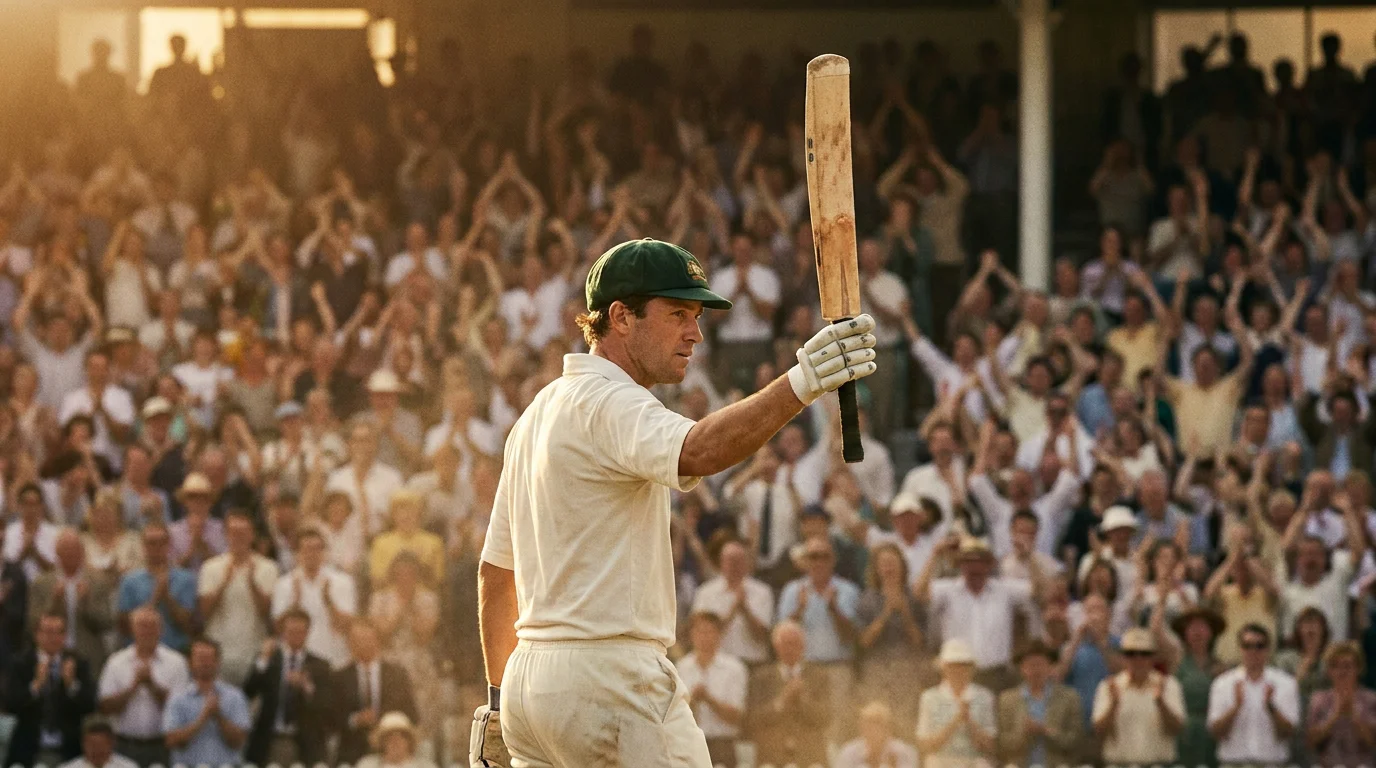
Man of the series is the most interesting from a punting perspective because it is heavily form-weighted. A batter who scores a century in the first Test is priced down for man of the series across the remaining four matches, often more aggressively than their underlying form would justify. The opposite is true for a bowler who takes a five-for early in the series — the market reprices on the assumption of continuing dominance.
The pattern that has held across modern Ashes series is that man of the series almost always goes to a player from the winning side. UK bookmakers price this directly — the man of the series odds on a player from the team backed at -110 to win the series are tighter than the equivalent player from the +110 side, even when their individual form lines are identical.
Each-way terms on the man of the series market vary by operator, and the place fraction is usually quarter or fifth of odds depending on the field size.
Reading the UK Sportsbook Calendar Around the Ashes
The Ashes occupies an unusual commercial slot for UK sportsbooks. The summer Ashes — England hosting — coincides with the cricket season peak. The winter Ashes — Australian hosting — falls during the football season and produces overnight betting demand the operators staff for specifically.

The result is that promotional activity around the Ashes is sustained and aggressive. The 5.1% share of sports betting in UK gambling participation includes Ashes-specific spikes during series weeks, and bookmaker margin tightens on headline markets during these spikes because the volume justifies a thinner spread. Outright markets that carry a 6-7% margin in a quiet cricket month carry 3-4% margin during an Ashes week. “Our illegal markets research also gives us evidence that crypto is one of the two biggest searches that lead British gamblers to illegal sites,” Tim Miller, the UKGC executive director, said in February 2026 — a useful reminder that Ashes-week traffic is also when illegal operators target UK punters most aggressively, and verifying the operator’s UK licence before staking is non-negotiable.
For deeper context on the longer-form domestic competition where Ashes squad selections are partly shaped, the County Championship betting guide covers the underlying market dynamics.
Trading an Ashes Series Without Overreacting to Match One
The discipline that separates the punters who profit on the Ashes from those who do not is patience across matches. The first Test reshapes outright prices more than its data weight justifies. Backing a side to win the series at long odds after they lose match one is a positional play that has worked more often than recency bias would suggest. The series is five Tests long. The market sometimes treats the first as if it were the only one.
What happens to Ashes outright if the series ends drawn?
The series-winner market settles as a tie at most UK sportsbooks, with stakes returned or split per operator terms. The urn market settles in favour of Australia as current holders. The ‘winner of the urn’ is a distinct market from ‘series winner’ and prices the retention rule directly.
Are Ashes-only specials counted toward BOG?
Cricket markets including Ashes outrights and player markets are excluded from Best Odds Guaranteed at most UK operators. BOG terms typically restrict the promotion to horse racing and greyhound singles. Always check the specific market eligibility before staking on the expectation of BOG protection.
