
 Available in US
Content
Why a Hundred-Ball Format Needs Its Own Pricing Logic
The first season of The Hundred, in 2021, exposed something the bookmakers had not fully anticipated — the format was different enough that the T20 pricing models did not translate cleanly. By 2025, that gap had largely closed, and the 2025 final pulled in more than 1.3 million live viewers on the BBC app alone. The format has accumulated five years of pricing data, and the lines are now sharp enough that the easy edges of the early years have gone.
What remains for UK punters is a tournament with its own quirks — sets of five balls, the change-of-end rule, the bowler-rotation limits — and a market structure that has matured into its own product rather than a T20 imitation.
Format Quirks Bookmakers Have to Encode
The Hundred is one hundred balls per side, bowled in sets of five from alternating ends. Each bowler can deliver up to twenty balls in a match — usually as four sets of five — and the rotation pattern is a strategic input rather than a fixed sequence. The powerplay covers twenty-five balls. The change-of-end happens after every set of five, not every six balls as in T20.
The structural effects on pricing are several. First, the powerplay total is calibrated to twenty-five balls rather than thirty-six, which means the headline number on the line is lower than a T20 powerplay total even though the run rate is comparable. Second, bowler markets are priced differently — the four-set-of-five maximum means a strike bowler can be held back for specific match phases in a way T20 over-limits do not allow. Third, the absence of the ten-ball “over” structure means session betting on the format is structured around sets and powerplay rather than over groups.
The Hundred’s middle-overs phase — balls 26 to 75 — has become the most heavily traded in-play window of the match. The pricing model has enough data on hundred-ball innings shapes that the implied probability of various end-of-innings totals updates with each set, and the in-play match-winner price moves more steadily through this phase than a comparable T20 middle period would.
Liquidity Growth Since 2021
The growth trajectory of The Hundred markets is one of the clearer commercial stories in English cricket. From a standing start in 2021, the tournament has built a UK audience that bookmakers price for as a tier-one event. The 2025 season sold 580,000 tickets, and cumulative attendance across the five seasons has passed 2.5 million.
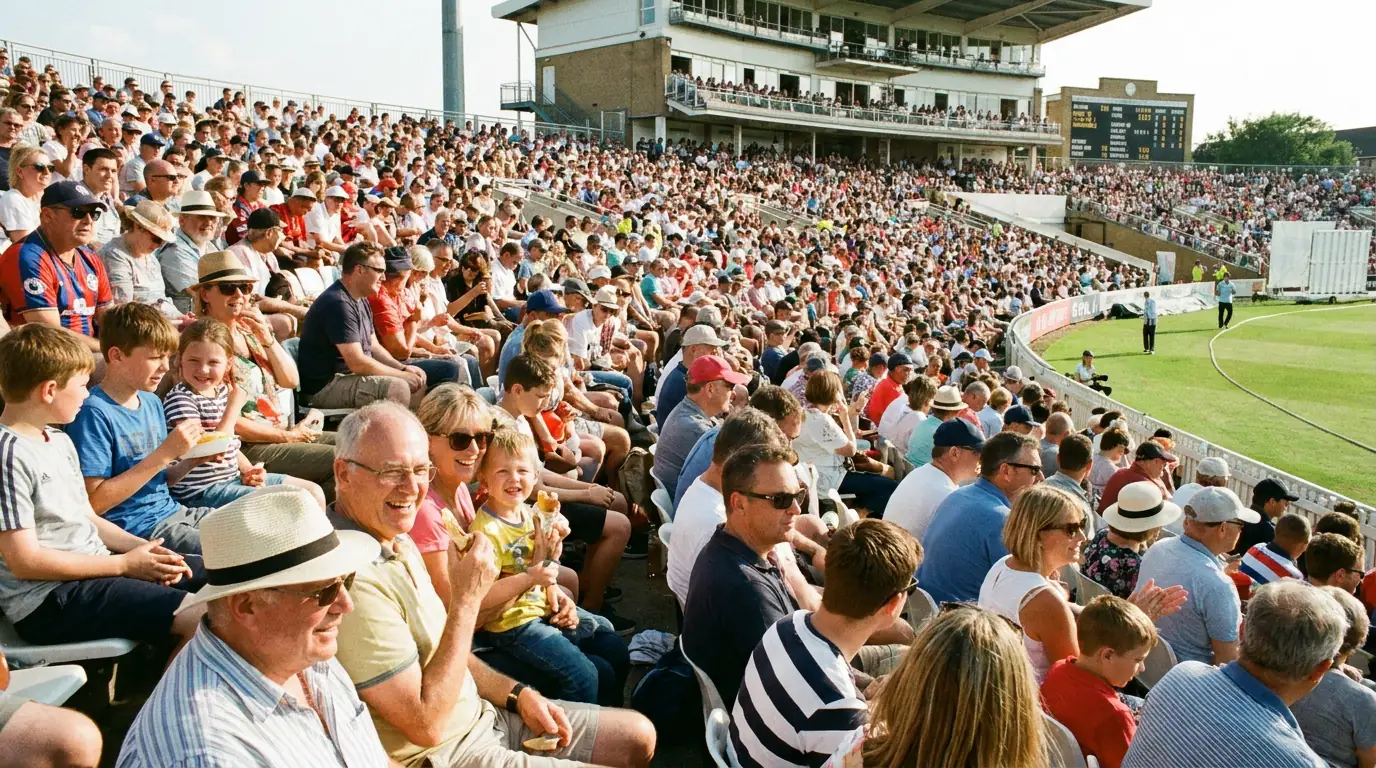
The liquidity effect on betting markets follows the audience. Cricket viewership numbers for the 2025 final at 1.3 million-plus on the BBC App tell bookmakers there is enough live audience to justify staffing a full in-play desk for every match. The result is that every Hundred fixture in 2026 is priced with a margin comparable to international T20 markets, where a few years ago the margins were noticeably wider.
The market depth has improved alongside the margin tightening. In 2021, a Hundred fixture might have offered twelve or fifteen priced markets at the major UK books. By 2025, the same fixture offers forty or more. Powerplay totals are quoted with four bands. Top batter is offered for each team. Method of dismissal is available for both openers. Bet builders combine legs that did not exist as standalone markets two years ago.
The pricing on women’s Hundred fixtures has caught up with the men’s competition faster than most punters expected. The 2025 women’s final tracked alongside the men’s in viewership, and UK bookmakers now price women’s Hundred matches with the same market depth and similar margin levels.
What the 2025 Private Investments Mean for Markets
The ECB sale of stakes in the eight Hundred franchises in 2025, with eight partner deals at a combined valuation of £975 million, restructured the commercial foundation of the tournament. More than £500 million of that has been reinvested into the English game, with around £50 million flowing to grassroots through the franchise sale proceeds.

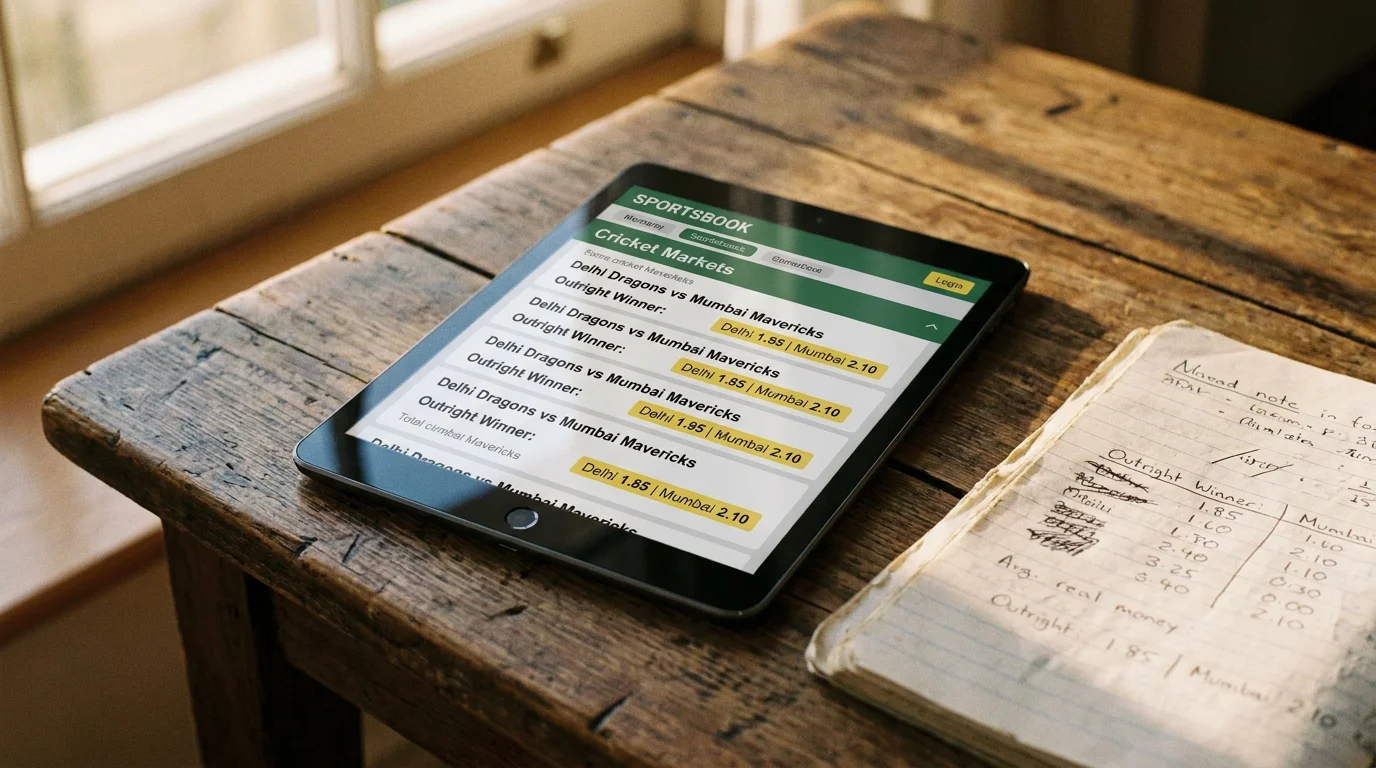
The pricing implication for punters is that franchise budgets have shifted. Some teams now have spending capacity for overseas players that they did not have in 2021. The 2026 squads reflect that, with several franchises carrying overseas batters in the top order who would have been outside the previous salary structure. Bookmakers have repriced outright markets accordingly — the franchises that benefited most from the new investment structure are noticeably shorter in outright winner markets for the 2026 season than their 2024 finishing positions would suggest.
The women’s Hundred has seen a parallel and even sharper shift. Average women’s Hundred salaries rose from around £8,000 in 2021 to roughly £29,100 in 2025, with the top salary climbing from £15,000 in 2021 to a projected £130,000 in the next season. That is professional-level pay for the first time in English domestic women’s cricket. The effect on player markets is significant — the depth of priced player props in women’s Hundred fixtures in 2026 reflects the data the bookmakers have accumulated on a now-fully-professional squad pool, supported by the ECB’s roughly £400 million investment in women’s cricket over the past decade.
The commercial restructure has also affected overround levels. Tournament outright markets that carried six-percent margins in 2023 carry closer to four-and-a-half percent in 2026, because the volume on these markets has grown enough that operators can compete on price.
The Hundred-Specific Markets
Three markets are unique to The Hundred or priced with particular granularity for it. First is the “set winner” market on the first powerplay set — the team that scores more runs in the opening five balls of the match. The market is novelty-coded but priced precisely, and the data on opening-set patterns at each ground produces a sharper line than the powerplay totals do.
Second is the “change-of-end set” market — which side bowls the first set after a change of end. This is offered on a smaller number of UK books and reflects strategic pricing rather than chance, since the bowling captain chooses the rotation. The market is best read as an implied probability of bowling tactics rather than a guess.
Third is the “bowler maximum used” market — whether a specified strike bowler will deliver their full twenty balls in the match. The market reflects the strategic choice of holding a bowler back for end-overs versus deploying them at the powerplay. For deeper context on the global tournament structure where these format innovations feed into international scheduling, the women’s cricket betting guide covers the broader competition landscape.
Reading the Format Without T20 Bias
The mistake punters who came to The Hundred from T20 made in 2021 and 2022 was assuming the formats were equivalent. Bookmakers made the same mistake at first, and the casual edges existed because of it. By 2026 those edges are gone. The Hundred prices itself as The Hundred, not as a twenty-over imitation, and the punters who profit on it are the ones who have built a model around the format’s specific quirks.
How does the ‘sets of five balls’ rule affect over markets?
The Hundred uses sets of five rather than overs of six, so traditional ‘over’ markets do not apply. UK sportsbooks offer ‘set winner’ and ‘set total’ markets that mirror over markets but are calibrated to the five-ball structure.
Are men’s and women’s Hundred markets priced together or separately?
They are priced separately. Each tournament has its own outright market, its own match markets and its own player props. UK sportsbooks treat them as parallel competitions, and the price margins reflect independent market depth in each.
