
 Available in US
Content
What This Market Settles On in One Sentence
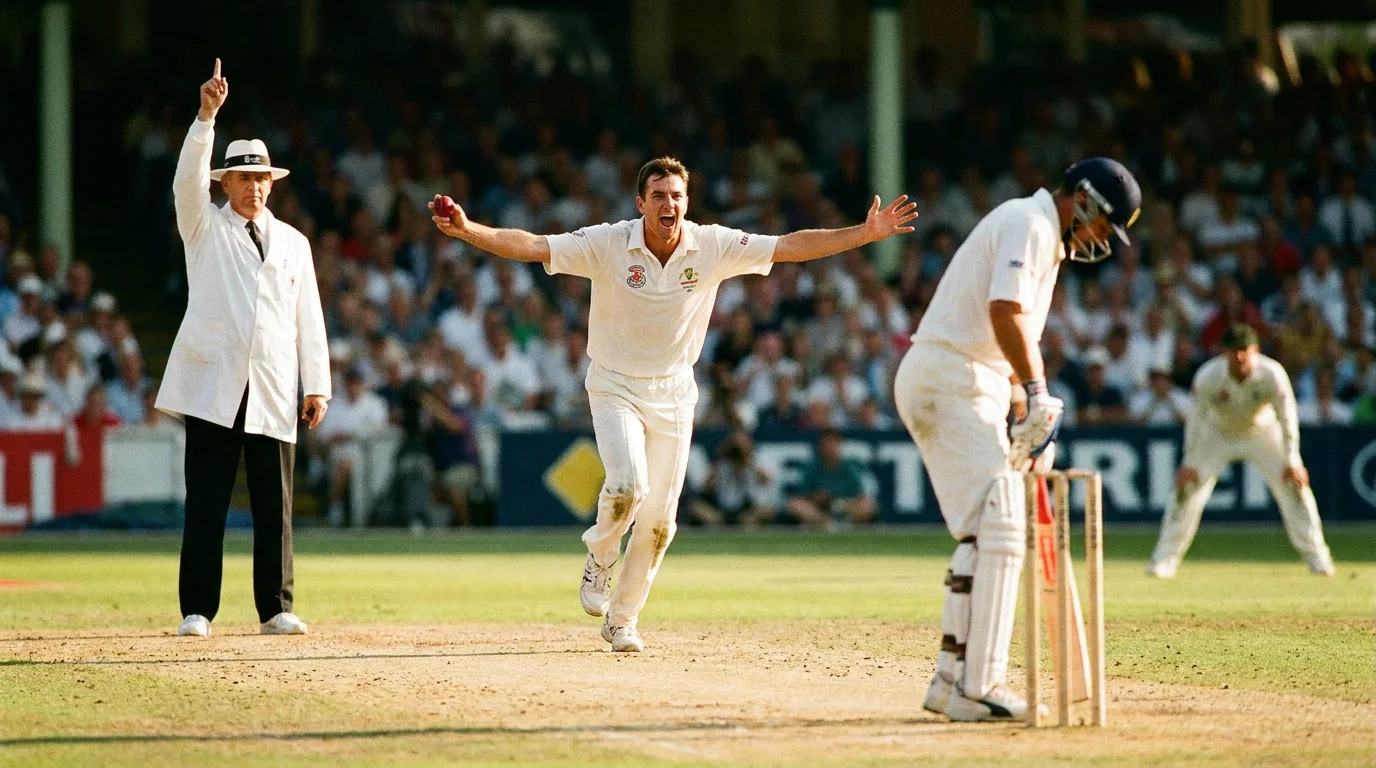
A reader once asked me whether method of dismissal was “the bet on how the batter gets out”. It is — and the simplicity of that one-line definition is exactly what hides everything interesting about the market.
The bet settles on the mode of the next dismissal, or the dismissal of a named batter, depending on which variant the sportsbook is offering. The categories are fixed, the probabilities are not, and the variation across formats and conditions is wider than the displayed odds usually reflect. It is one of the few cricket markets where deep format knowledge translates directly into edge — provided you can read the rule set carefully enough to avoid void traps.
The Six Categories Most UK Sportsbooks Offer
UK sportsbooks split the universe of dismissals into six headline categories, with everything else lumped into a residual “other” bucket. The six are bowled, caught, LBW, run out, stumped, and the catch-all combination of “any other method” — which gathers hit-wicket, obstructing the field, retired out, handled the ball and timed out into a single low-probability bin.

Caught is far and away the dominant category, settling close to 55 to 60 per cent of all dismissals across formats. Bowled and LBW sit roughly equal as the second tier, somewhere between 15 and 20 per cent each, with bowled creeping ahead in T20 cricket because of yorkers in the death and LBW slightly ahead in Tests because of reverse swing. Run-outs sit at around 6 to 8 per cent of all dismissals, stumpings below 2 per cent, and the “any other” bucket at less than 1 per cent in most match samples.
These category baselines are what UK sportsbooks anchor their lines to. If you see a price implying caught at 50 per cent, the book is signalling either format-specific information or pitch-specific information that’s pulling caught downward. Reading why the line has shifted from the baseline is the first analytical step on this market.
Format Bias: Test, ODI, T20 Dismissal Distributions
The first thing I show new analysts on this market is a three-column distribution chart: Test, ODI, T20, with the share of each dismissal mode plotted. The shapes are different enough that pricing a Test on T20 logic — or vice versa — produces systematically wrong numbers.
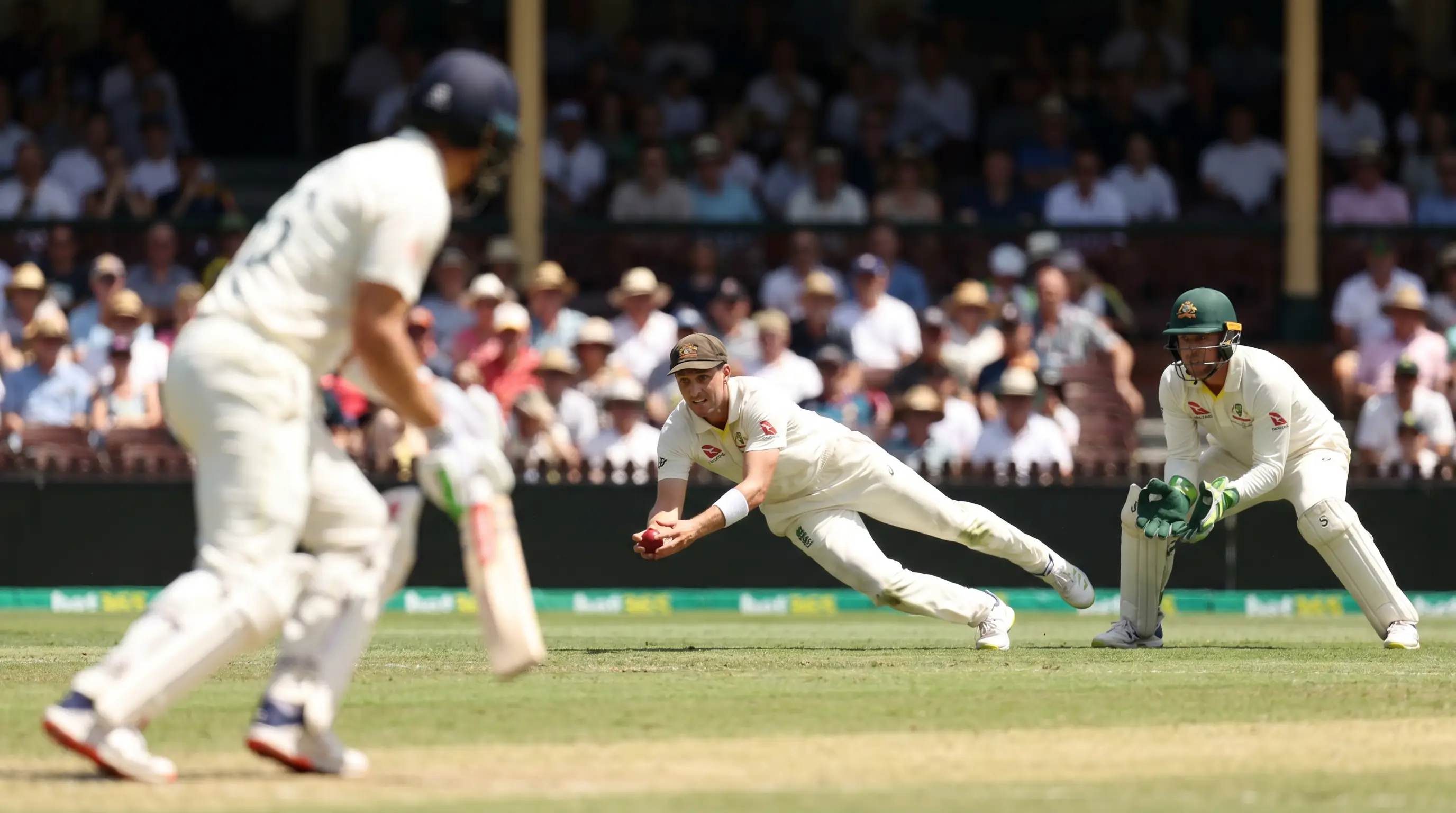
Test cricket favours bowled and LBW, mostly because conventional length deliveries are the staple and batters defend rather than swing across the line. The combined share of bowled-plus-LBW in Test cricket sits around 35 to 40 per cent of all wickets — higher than any other format. Caught remains the leading single category at around 50 per cent, but the LBW share in Tests is roughly double what it is in T20.
T20 cricket flips the distribution. Caught shoots up toward 60 to 65 per cent of all dismissals because batters consistently swing for the rope and miss-time. Bowled holds steady at around 18 per cent thanks to death-overs yorkers, but LBW falls because length deliveries are rarer and batters’ front feet are usually outside the line.
Conditions sit on top of these baselines and shift them further. Sportradar’s historical analysis of Edgbaston Test cricket shows pacers take around 15 per cent more wickets on damp surfaces with sweat and seam than on dry ones, and the disproportionate share of those extra wickets comes through bowled and LBW rather than caught. The implication on the dismissal market is straightforward: damp English Tests systematically misprice LBW and bowled to the upside.
ODI sits between the two, leaning slightly toward the T20 distribution but with run-outs spiking — the middle overs of an ODI generate more risky singles per innings than either Tests or T20s, and run-outs in ODI sit closer to 10 per cent of all dismissals than the 6 to 8 per cent T20 baseline.
How Pitch Type Shifts Probability of Each Mode
I keep a small mental decision tree for this market: format first, then pitch, then bowler. The pitch row is the one most punters skip, and it costs them money on every long-format bet they place.

A green seamer-friendly surface — the kind English Test cricket produces in May and early June — pushes LBW and bowled up at the expense of caught. The ball nips back, the front-foot defence misses the line by inches, and the trapped-in-front dismissal becomes the most likely mode for top-order batters. The Headingley series in 2025 made this visible at scale: batting averages on the overcast first day sat at 26 runs per wicket against 40 on the sunny final day. That whole 14-run shift represents a fundamental change in how batters were getting out, not just how many were getting out.
A flat, dry subcontinent surface inverts the picture. The ball doesn’t deviate off the pitch, batters can play with their feet and front pad without fear of LBW, and dismissals concentrate in caught and stumped — the latter spiking against spinners. On a turning pitch, stumped dismissals can creep above 5 per cent of all wickets in a session, which is more than double the cross-format baseline.
The third type — the heavy, slow, two-paced wicket that the County Championship can produce in September — favours caught in the slips and gully, because the ball arrives at the bat slower than the swing speed expects and the edge carries to a fielder.
Pricing Pitfalls and Voiding Rules
The pitfall I see new punters fall into most often on this market is the difference between “method of next dismissal” and “method of named batter’s dismissal”. They are not the same product, and they don’t settle the same way.
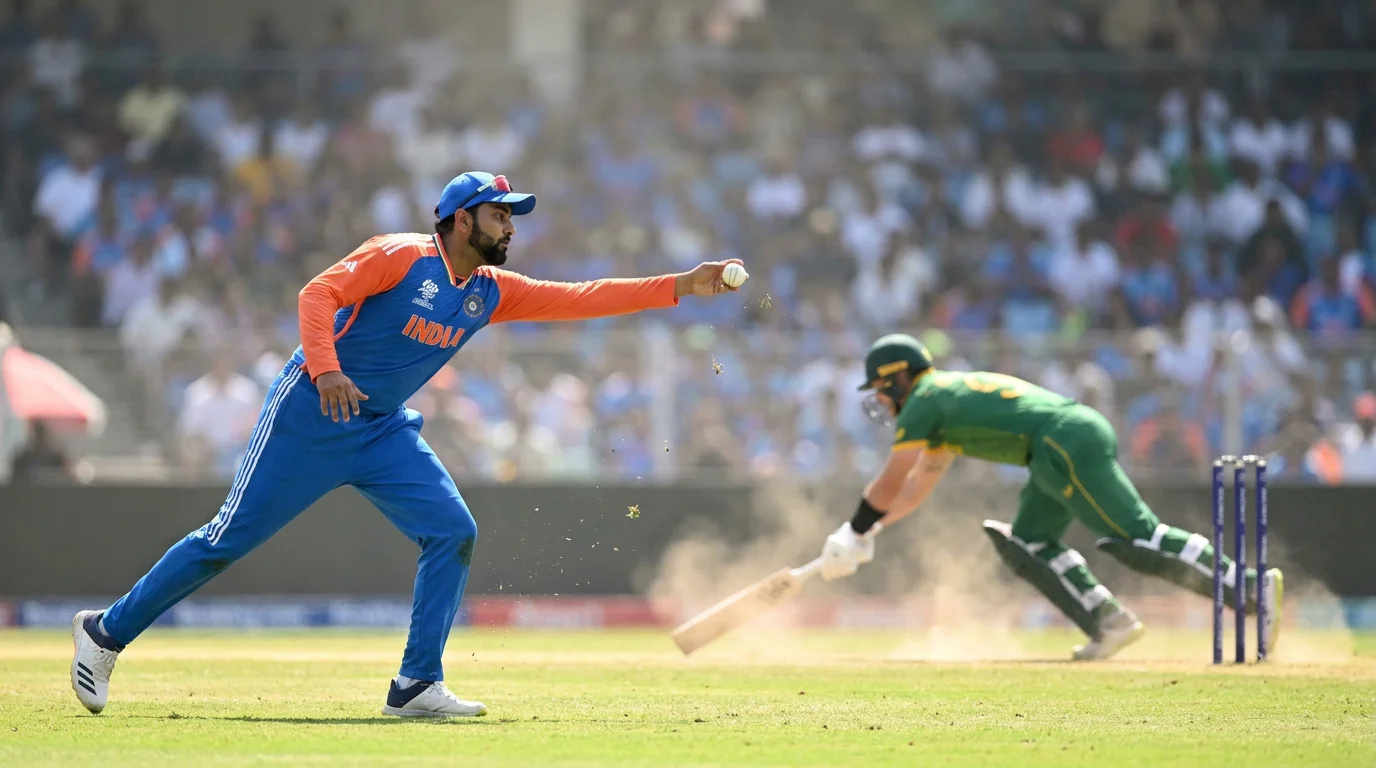
The first is a market on whoever falls next at the crease — settled when a wicket lands, ignoring everything that came before. The second is a market on a specific batter — settled only when that named player is dismissed, and voided if the batter remains not out at the end of the innings or retires not out.
Voids are also triggered by the residual category. If you’ve backed “any other method” and the dismissal is a regular caught behind, you lose. If you’ve backed “LBW” and the dismissal involves a deflection from pad to bat to keeper, the umpire’s exact ruling matters and a third-umpire review can flip the settlement. Most UK sportsbooks settle on the official scoresheet ruling, which is the version published by the board at the end of the day. For deeper context on how dismissal patterns feed into player-specific lines, the wicket-credit framework covers the linked logic.
Method of Dismissal Questions
Two specific settlement questions on this market come up in reader emails more often than any others.
Is ‘retired out’ settled as a dismissal?
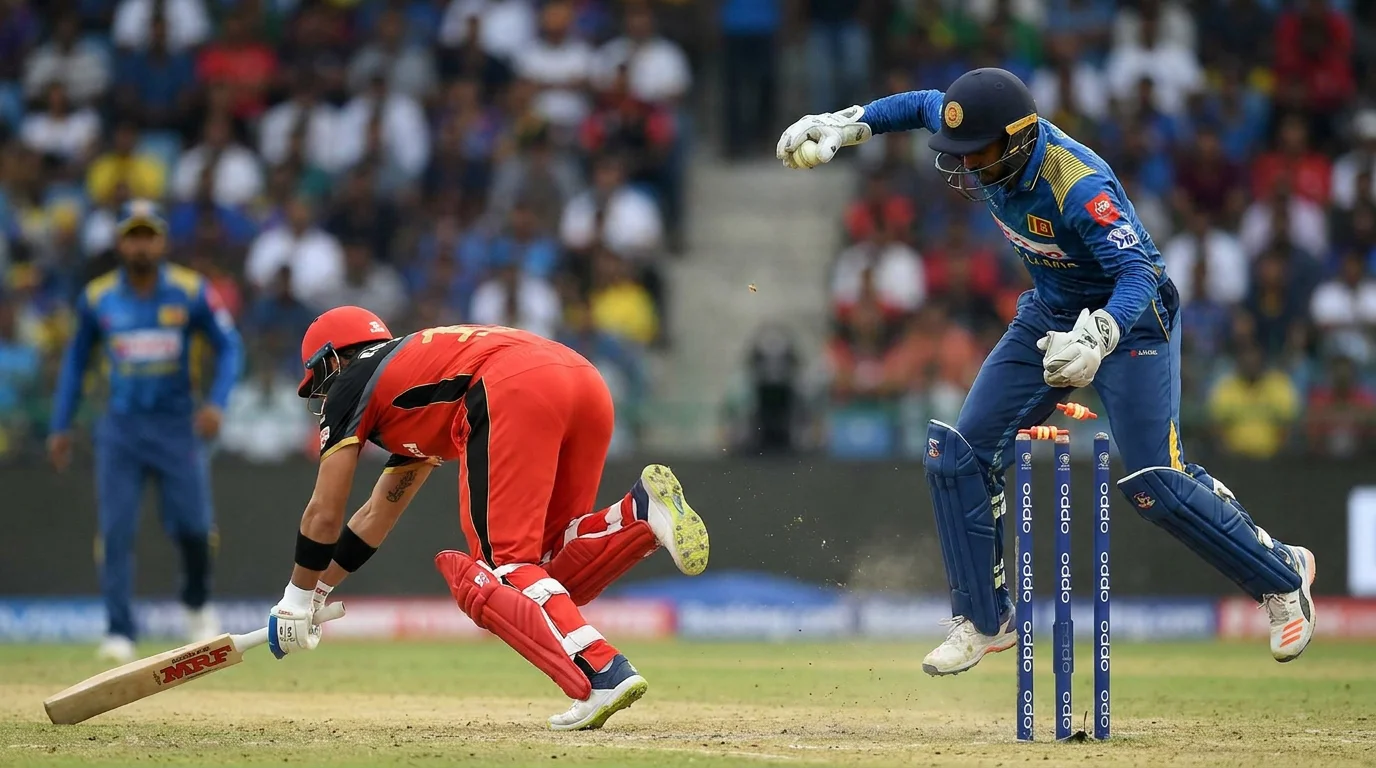
Retired out is officially classified as a dismissal in current ICC playing conditions, and most UK sportsbooks settle method of dismissal markets accordingly. It is grouped into the ‘any other method’ or residual category at virtually every operator, because it is statistically rare and does not fit cleanly into the six headline modes. Retired hurt or retired not out, in contrast, is not a dismissal and the named-batter market is typically voided rather than settled.
What happens if the batter is not out at innings end?
For named-batter method markets, if the player ends the innings not out — either by surviving until the end or by retiring not out — the bet is voided and stakes are returned at almost every UK sportsbook. The market settles only when an actual dismissal is recorded against that batter. For ‘method of next dismissal’ markets, the bet settles on whoever falls next, regardless of who that batter is, and is therefore unaffected by any individual player remaining at the crease.
