
 Available in US
Content
Why Women’s Cricket Markets Have Deepened Since 2021
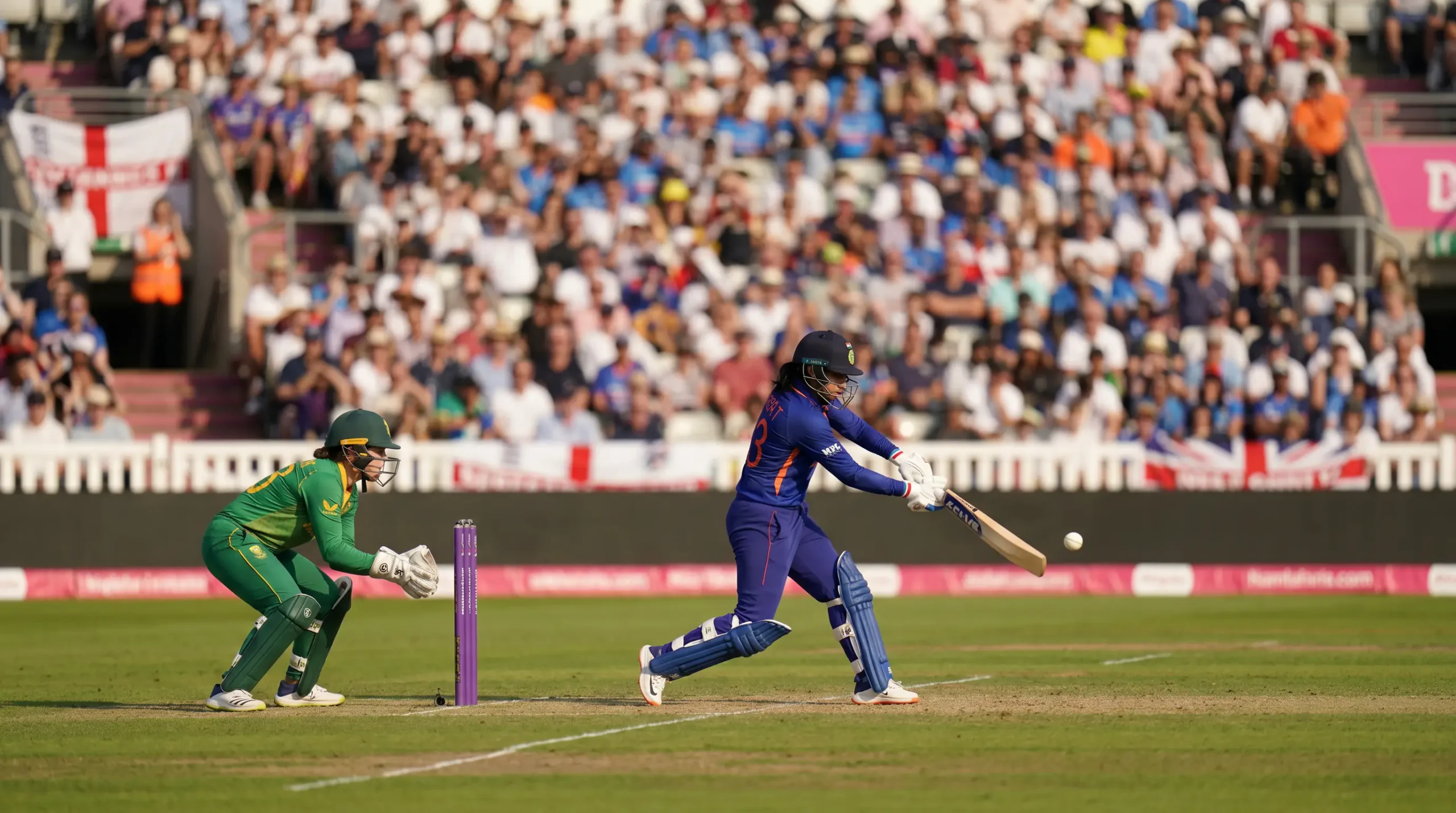
The women’s cricket markets I used to bet on five years ago looked like an afterthought. A match-winner line, sometimes a total runs line if I was lucky, and not much else. The pricing was wide, the in-play coverage was patchy, and the overround on the headline market was sometimes two percent higher than the equivalent men’s fixture. That has changed materially.
The catalyst has been investment, audience and broadcast scale moving together. The ECB has put around £400 million into women’s cricket over the past decade. The 2025 Hundred women’s final tracked the men’s final closely on viewership. UK sportsbooks have responded with depth, breadth and tighter margins on women’s markets across all formats and tournaments.
Liquidity Trajectory of Women’s Tournaments
The most striking pricing change has been in The Hundred women’s competition. Average salaries rose from around £8,000 in 2021 to roughly £29,100 by 2025, with the top salary climbing from £15,000 to a projected £130,000 next season. That is professional pay at the top end for the first time in English women’s domestic cricket, and the squad depth and competitive standard have followed.
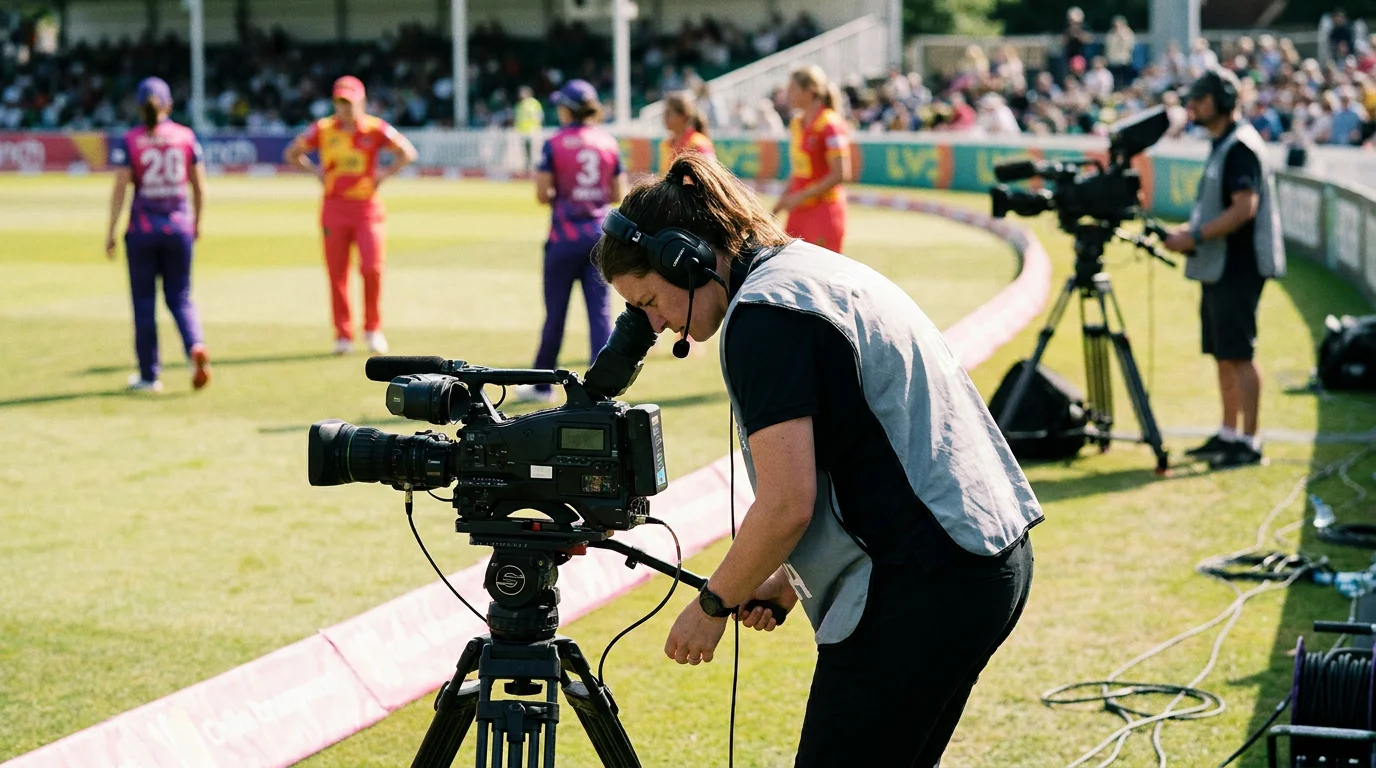
The pricing implication is that women’s Hundred player markets now carry data that the model can use with confidence. Top batter, top bowler, partnership runs, method of dismissal — all are offered for women’s Hundred fixtures across the major UK books with comparable depth to the men’s equivalents. In 2022 the player market menu was roughly half this size at most operators.
The Women’s Big Bash League — running in November and December — has followed a similar trajectory. The WBBL is now priced as a tier-one franchise league at most UK sportsbooks, with full match coverage, outright winner markets through the season, and player markets across most fixtures. The volume on individual WBBL matches is not yet at the level of the men’s BBL, but the gap has closed substantially since 2021.
The Women’s Premier League in India runs alongside the late stages of the IPL window and has produced a parallel growth pattern. The WPL is now offered by every major UK book with reasonable market depth, and the pricing on outright tournament markets has tightened to margins comparable to the men’s IPL outright lines.
Competitions UK Sportsbooks Cover
The full coverage list at the largest UK sportsbooks in 2026 includes England women’s home and away international fixtures across all three formats, the ICC Women’s T20 World Cup, the ICC Women’s ODI World Cup, the Women’s Hundred, the Women’s Big Bash League, the Women’s Premier League, the Charlotte Edwards Cup and the Rachael Heyhoe Flint Trophy. That is meaningful breadth — a punter who follows women’s cricket can place bets on a women’s match almost every week of the year.
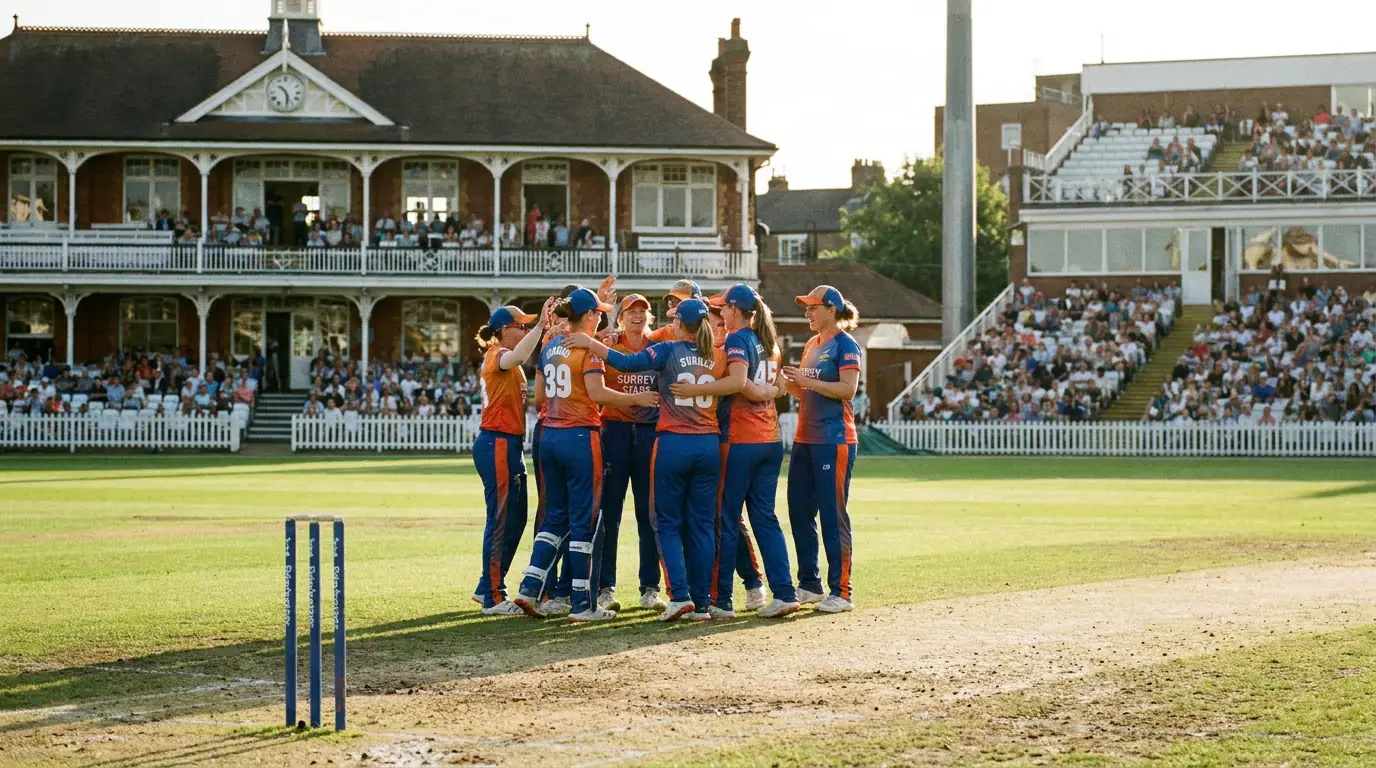
Coverage at mid-tier operators is more uneven. Headline international fixtures and franchise tournaments are widely available, but the domestic English competitions — particularly the Rachael Heyhoe Flint Trophy 50-over matches — are sometimes covered only at the largest operators. UK punters who specialise in domestic women’s cricket need to use one of the top-tier books for consistent access.
The in-play market depth on women’s cricket has caught up faster than the pre-match outright markets. A live women’s international ODI in 2026 will have ball-by-ball repricing on the major UK books, with method-of-dismissal markets, next-wicket-fall-in markets and partnership-runs markets all available. The pre-match outright market on a Women’s Hundred fixture might offer fifteen priced lines compared to twenty-five for a comparable men’s fixture, but the in-play depth is broadly equivalent.
Pricing Differences From Men’s Equivalents
The pricing differences between women’s and men’s cricket markets exist, but they have narrowed substantially. The bookmaker margin on a headline women’s Hundred match-winner market in 2026 is typically four to four-and-a-half percent. The equivalent men’s fixture carries roughly three-and-a-half to four percent. The gap is real but smaller than the two-percent-plus differential of five years ago.
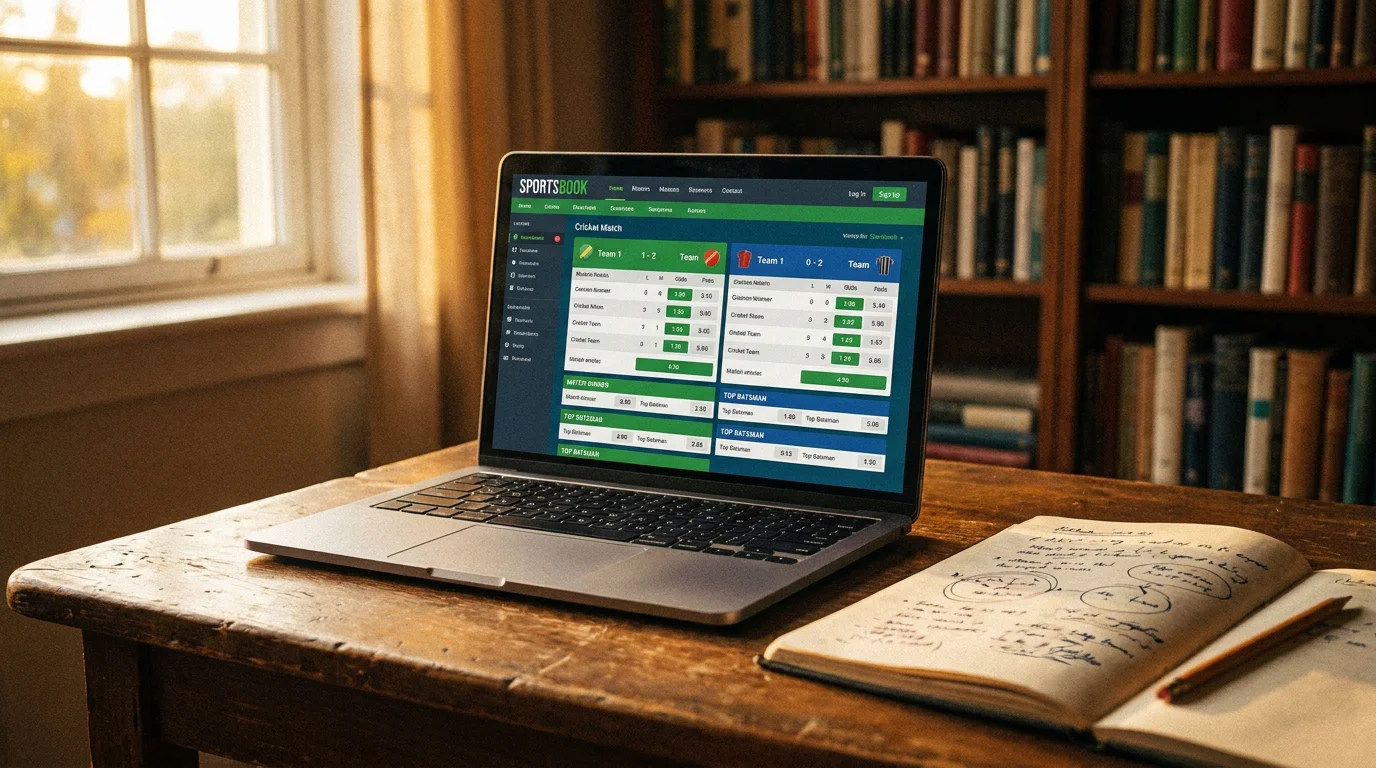
The player markets show a wider variance. Women’s player markets in matches at unfamiliar venues — particularly qualifying competition matches — can carry margins of five percent or more, because the bookmaker’s model has less data. The same venue’s men’s equivalent might be three percent.
Total runs lines on women’s matches are typically set 20-30 runs lower than the men’s equivalent at the same venue for the same format, and the spread of priced bands is sometimes narrower. The top-scoring lines reflect the underlying scoring rate differences — women’s ODIs typically produce slightly lower scoring rates than men’s ODIs at the same grounds, and the lines respect this.
Method-of-dismissal markets have caught up most completely. The probability distribution for women’s matches — caught, bowled, lbw, run-out, stumped — tracks the men’s distribution closely enough that bookmaker margins on these markets are now broadly identical between the two competitions.
Outright Realities and Overround Levels
The outright tournament markets in women’s cricket carry a structural feature that punters can exploit. Because the audience and volume on these markets are smaller than for the men’s equivalent, the bookmakers have less data on which to refine outright pricing through the tournament. The market reacts to early-tournament form more sharply than the men’s market does, which produces value windows in both directions.
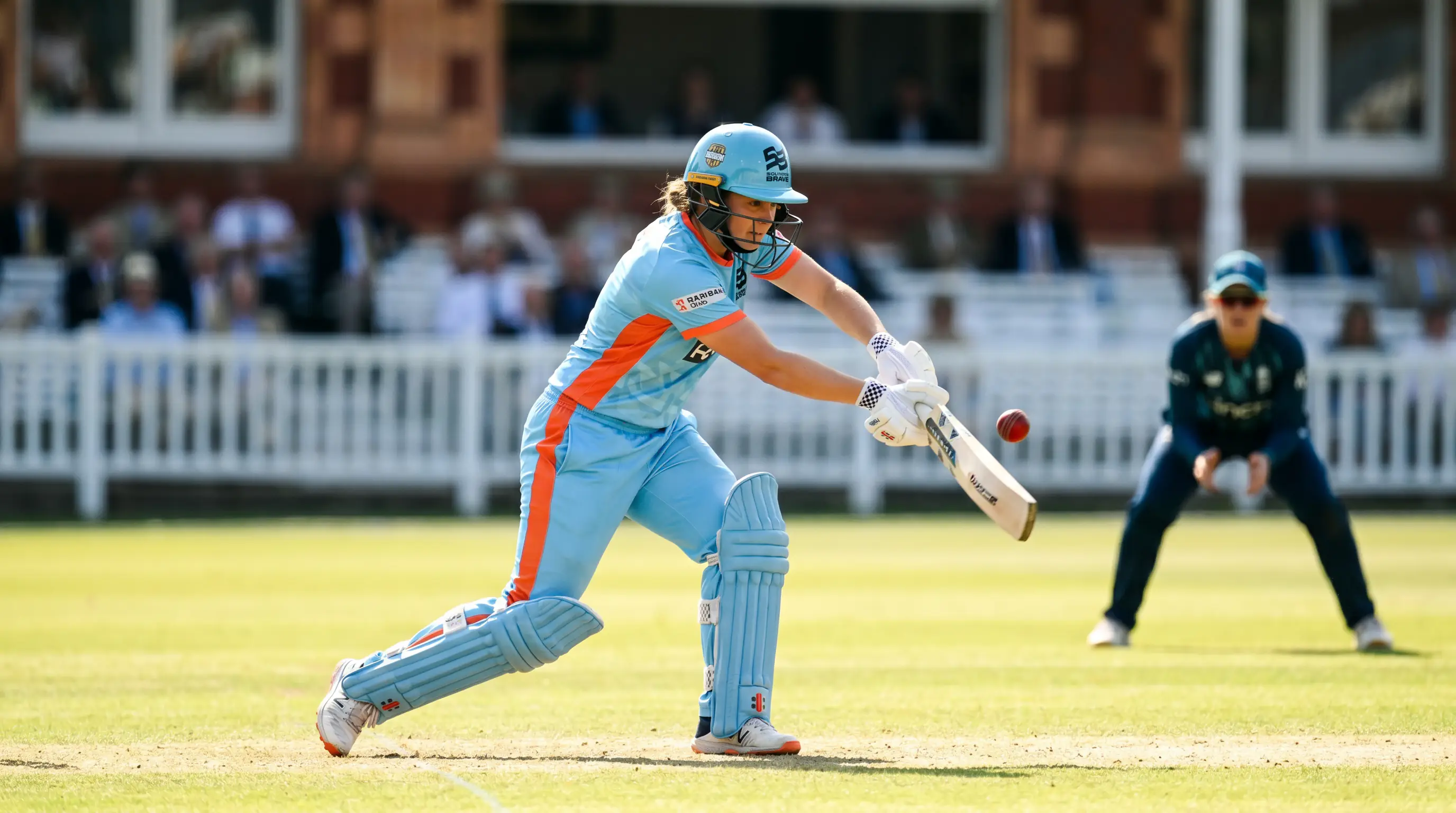
A women’s franchise that loses its first two matches sees its outright price drift more sharply than a comparable men’s franchise would. The reverse — a women’s franchise that wins its first two matches — sees its price shorten more sharply. “For our part we want to continue innovating in our work to tackle illegal gambling too. In recent years we’ve built a world-leading apparatus to do just that,” Tim Miller, the UKGC executive director, said in April 2026 — a relevant note for women’s cricket markets because the smaller volume on these competitions makes them statistically more vulnerable to illegal operator targeting, and the protection of UK-licensed verification matters as much here as on the larger men’s tournaments.
The other practical reality is the each-way structure on women’s outright markets. Place fractions and place positions vary more between operators on women’s competitions than on men’s, partly because the field sizes vary more across women’s tournaments. A six-team competition gets different each-way terms than an eight-team one, and the rules across UK books on this are not uniform.
The Women’s Hundred 2025 final pulled in over 580,000 tickets cumulative across the season, with the audience supporting the same broadcast and betting infrastructure that the men’s competition uses. The ECB’s roughly £400 million investment in women’s cricket over the past decade has produced the depth that the betting markets now reflect.
For deeper context on the global tournament structure that women’s cricket markets feed into during ICC event windows, the ICC World Cup betting guide covers the international event pricing.
Trading Women’s Cricket as a Mature Market
The women’s cricket markets in 2026 are mature enough to reward serious punters and casual ones alike. The pricing has tightened. The market depth has grown. The in-play coverage is comparable to men’s cricket on the major UK books. The remaining value is in the outright markets where smaller volume produces sharper early-tournament price swings, and in the venue-specific patterns that the bookmaker’s model has learned but the casual punter has not.
Are women’s tournament markets settled under the same rules as men’s?
Yes. UK sportsbooks settle women’s outright markets and match markets under the same rules they apply to the men’s equivalent — DLS minimums, void clauses, top-batter qualification rules and tie-break settlements are all uniform across men’s and women’s matches at the same operator.
Do UK sportsbooks offer women’s player markets at all venues?
The major UK operators offer women’s player markets at all primary venues for major tournaments. Coverage at smaller domestic venues — particularly for the Charlotte Edwards Cup or county-level matches — is sometimes limited to headline markets only. Specialist coverage is more consistent at the largest UK operators.
