
 Available in US
Content

The UK Session Bet Is Not the Asian “Fancy”
I’ll start with the misconception that costs UK punters the most money on this market: the session bet on a regulated UK sportsbook is a fundamentally different product from the “fancy” markets that run on subcontinent betting exchanges. They use overlapping terminology, they reference some of the same time windows, and they look superficially similar on screen. They are not the same thing.
A UK session bet is a regulated over/under wager on the runs scored within a clearly defined block of overs — typically a Test session (morning, afternoon, evening) or a fixed over-bracket in limited-overs cricket. It has published terms, transparent settlement rules, and operates under UKGC oversight. A fancy market on a subcontinent exchange has none of those guarantees, and integrity bodies have flagged the wider fancy ecosystem repeatedly. Treating them as interchangeable is how punters end up making decisions on the assumption of protections that aren’t there.
This article covers the UK product. The fancy ecosystem sits outside the scope of any sensible analysis on a regulated site.
What a Session Is and How Bookmakers Define Brackets
The word “session” has a precise meaning in cricket and a slightly looser meaning in betting. In Test cricket, a session is one of three two-hour playing blocks per day, separated by lunch and tea breaks. The morning session typically runs 11 a.m. to 1 p.m., afternoon 1.40 p.m. to 3.40 p.m., and evening 4 p.m. to 6 p.m. — the exact times vary by host country.
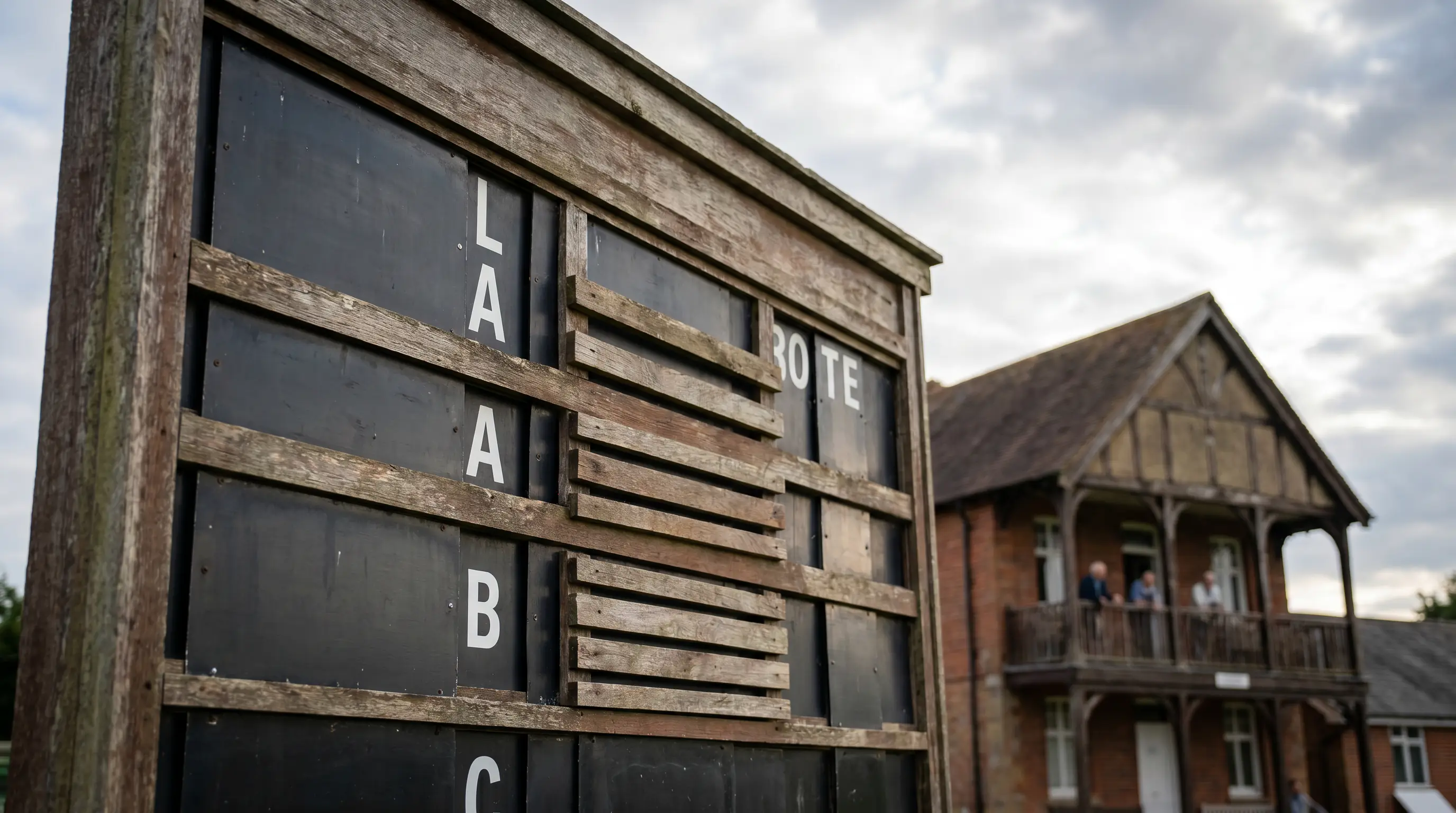
Sportsbooks use this Test session structure as the natural bracket for session betting in the long format. The market is “runs scored in the morning session” or “runs in the evening session”, with the over-under line set somewhere near the venue’s historical median. Settlement is on the official scoresheet for that session, including all extras.
In limited-overs cricket, the term “session” is looser. UK sportsbooks define their own brackets — typically blocks of five or ten overs at the start, middle and end of the innings. The “first 10 overs” session in a T20 functionally covers powerplay plus the first middle-overs window, while the “overs 15 to 20” session covers the death overs.
The under/over line on each bracket is set by the engine working from venue historical data, expected line-up strength and conditions. The settlement rule is identical across operators: total runs scored within the defined over-bracket, including all extras and any boundary penalties applied during that block.
Session Betting in Tests vs Limited-Overs
The two formats produce session markets that behave very differently, and applying the same analytical framework to both is a costly mistake.
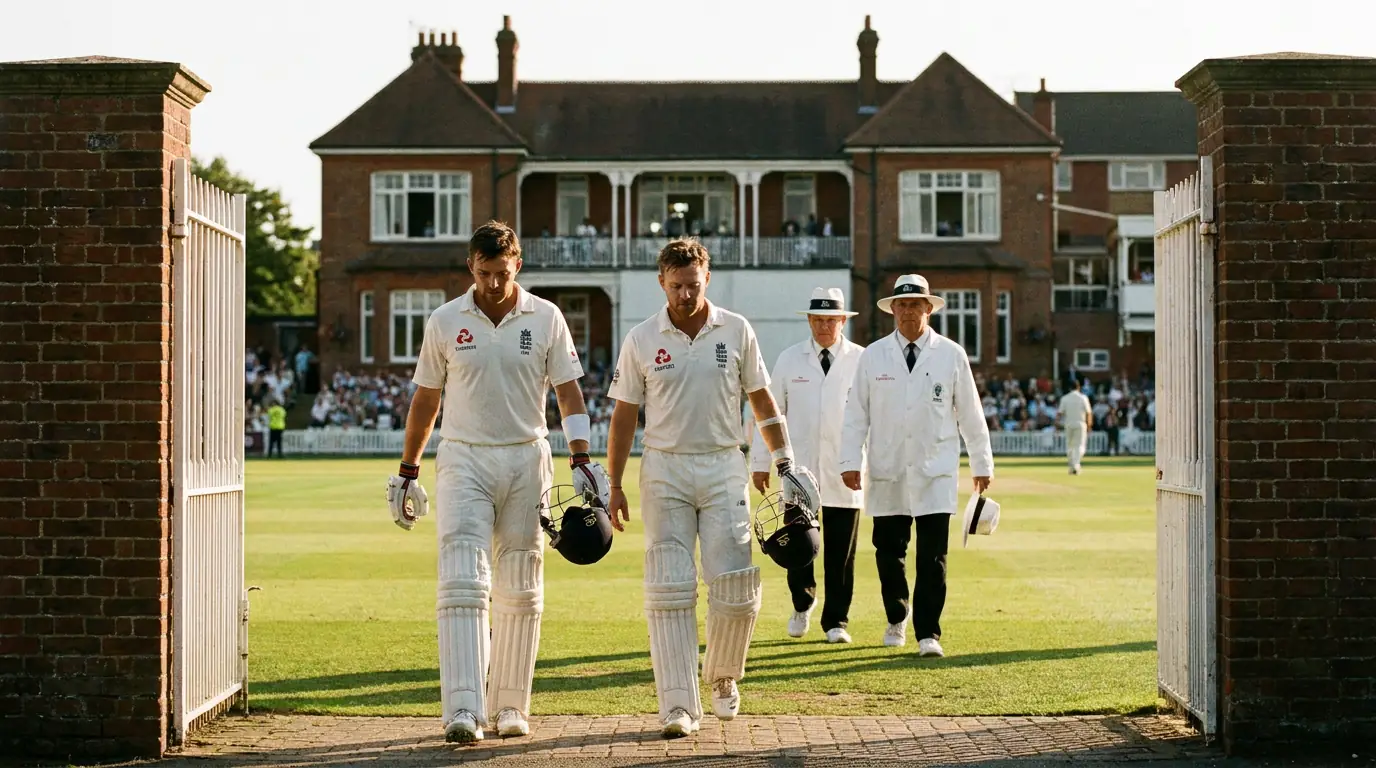
Test session betting is structurally a low-variance product. A two-hour Test session sees roughly 25 to 35 overs of play and a typical score of 60 to 100 runs on a normal pitch. The line on the over-under sits in that band, and the actual scoring usually falls reasonably close to the line. The variance is bounded by Test cricket’s pace — even an exceptional session rarely exceeds the priced line by more than 30 to 40 runs.
Limited-overs session betting is much higher variance. A five-over bracket in a T20 can produce anything from 12 runs to 65 runs depending on intent, conditions and luck. The line sits near the historical median, but the standard deviation around that median is much wider in absolute terms than the Test equivalent.
The analytical implication: Test session betting rewards careful read of conditions and bowling depth, because outcomes cluster near the line. Limited-overs session betting rewards tactical reads on captain intent and powerplay aggression, because outcomes are spread further from the line and the value sits in identifying which sessions will produce outlier scores.
How Bookmakers Open and Close Session Lines
The opening and closing windows for each session market follow a consistent pattern across UK operators, but the timing details vary enough to affect serious staking.

Pre-match session lines for Test cricket open with the rest of the cricket book — typically two to three days before play starts. The opening line is set from the venue historical median for that session, adjusted for conditions and team strength. The market trades until the start of the session it covers, then either suspends temporarily during the session itself or closes entirely depending on operator policy.
Limited-overs session lines often don’t open until the toss has happened, because the order of innings determines which side bats first and therefore which side’s scoring profile applies to which bracket. Some operators open at toss; others wait until the actual start of the relevant innings to publish the bracket lines.
In-play session pricing works on a continuous basis once the session begins. The line shifts ball by ball as runs accumulate or wickets fall, and the over/under price drifts to reflect the unfolding scoring rate. By halfway through a session, the line has often moved significantly from its opening number — sometimes for the better, often for the worse from a punter’s perspective.
Why Sessions Sit Under Integrity Scrutiny
Sessions and session-style markets have historically been one of the focal points of cricket integrity work, and the data on that scrutiny is worth understanding even for punters who never encounter an integrity issue directly.

Sportradar recorded 59 suspicious cricket matches in 2025 — a roughly three-fold increase on previous years since 2021. The driver is twofold: the growth of short-format franchise cricket has created more match volume across more leagues, and improved AI-driven detection now flags patterns that earlier monitoring missed. Across all sports, Sportradar monitored over 1 million events in 70 sports in 2025 and identified 1,116 suspicious matches in total — a ratio of one suspicious match in every 709 monitored, improved from one in 608 in 2024.
The cricket-specific concern with session-style markets has historically been that the small, time-bounded nature of the bet creates an attractive target for spot-fixing — a player can influence a single session’s scoring without affecting the match outcome. That risk applies far more to unregulated exchange-based fancy markets than to regulated UK session bets, which operate under tighter integrity oversight and offer narrower payouts.
For UK-licensed sportsbooks, the practical implication is that session lines are monitored more aggressively than other markets. Unusual pricing movements, sudden stake-volume spikes, or correlation patterns across multiple punters get flagged for review. This is invisible to most punters but it does mean session markets are sometimes suspended or voided more readily than other products when an integrity concern is raised. For deeper understanding of how rain-affected calculations interact with session and target markets, the DLS pricing framework covers the linked logic.
Session Betting Questions
Two questions on session market settlement come up regularly from readers new to the format.

Are session bets settled if play is rained off mid-session?
The standard UK rule is that session bets are voided if the session is not completed in full because of rain, bad light, or any other stoppage. Stakes are returned. A handful of operators settle the bet at the over the umpires officially designate as the close of the truncated session, but only if a minimum number of overs have been bowled — typically 80 per cent of the scheduled session. The session-specific settlement page on each sportsbook is the only authoritative source. Always check before staking on a session that has weather risk in the forecast.
Is the session market the same as the ‘fancy’ market on subcontinent exchanges?
No. UK session betting is a regulated over/under wager on runs scored within a defined over-bracket, operating under UKGC oversight with published settlement terms and integrity monitoring. The ‘fancy’ markets that run on subcontinent betting exchanges are an unregulated category of bet that has been the focus of integrity concerns for years, with no equivalent consumer protection or regulatory oversight. The two products use overlapping terminology but operate under fundamentally different conditions, and the protections available to UK punters on regulated session bets do not extend to fancy markets on offshore exchanges.
