
 Available in US
Content

Why Self-Exclusion Is Built Into Every UKGC Site
The first time a punter I know used GamStop, he treated it as a final step rather than a first one. He had spent six months telling himself he could moderate, lost more than he had budgeted across multiple cricket sportsbooks, and registered for GamStop only when the situation had become acute. The registration worked exactly as designed. Within minutes, every UKGC-licensed site he held an account with had locked his access, and he could not open new accounts at any other UK-licensed operator for the duration of his chosen period.
The lesson he shared with me afterwards was that he wished he had used the softer tools earlier — deposit limits, time-outs, reality checks — rather than waiting until the situation required the hardest intervention. The UK responsible gambling framework is built around a stepped set of controls, and using them earlier produces better outcomes than waiting until the only option left is the full self-exclusion. If betting feels like it is becoming a problem, GamCare’s helpline on 0808 8020 133 is free, confidential and available around the clock.
How GamStop Locks Cricket Accounts
GamStop is the multi-operator self-exclusion scheme that every UK-licensed remote gambling operator is required to integrate with. When a punter registers, their details are added to a central database. Every UK-licensed operator checks new account applications and login attempts against the database, and matched accounts are blocked.

The registration is straightforward. The punter provides identity details on the GamStop website, selects a self-exclusion period of six months, one year or five years, and confirms the registration. The lock typically takes effect within twenty-four hours across all UK-licensed sites.
The scope is comprehensive. GamStop covers every cricket sportsbook, casino, bingo site and lottery operator that holds a UKGC remote licence. It does not cover non-UK-licensed sites, which is one of the reasons verifying a site’s UKGC licence before depositing matters so much — a punter who has used GamStop and then deposits with a non-UK operator has no protection from the scheme they registered for.
NHS England’s gambling disorder treatment activity rose by approximately 34% between 2019 and 2024, reflecting growing awareness and access to clinical support. The figures sit alongside the scheme’s reach — GamStop is the central tool, and the rising treatment numbers indicate that the supporting clinical infrastructure has expanded to meet the people who need it.
Softer Controls
The softer controls every UK-licensed cricket sportsbook is required to offer are deposit limits, time-outs, reality checks, loss limits and session limits. These can be set within the punter’s account settings, typically under a “Responsible Gambling” or “My Limits” section. The controls take effect immediately and cannot be removed for a defined cooling-off period.
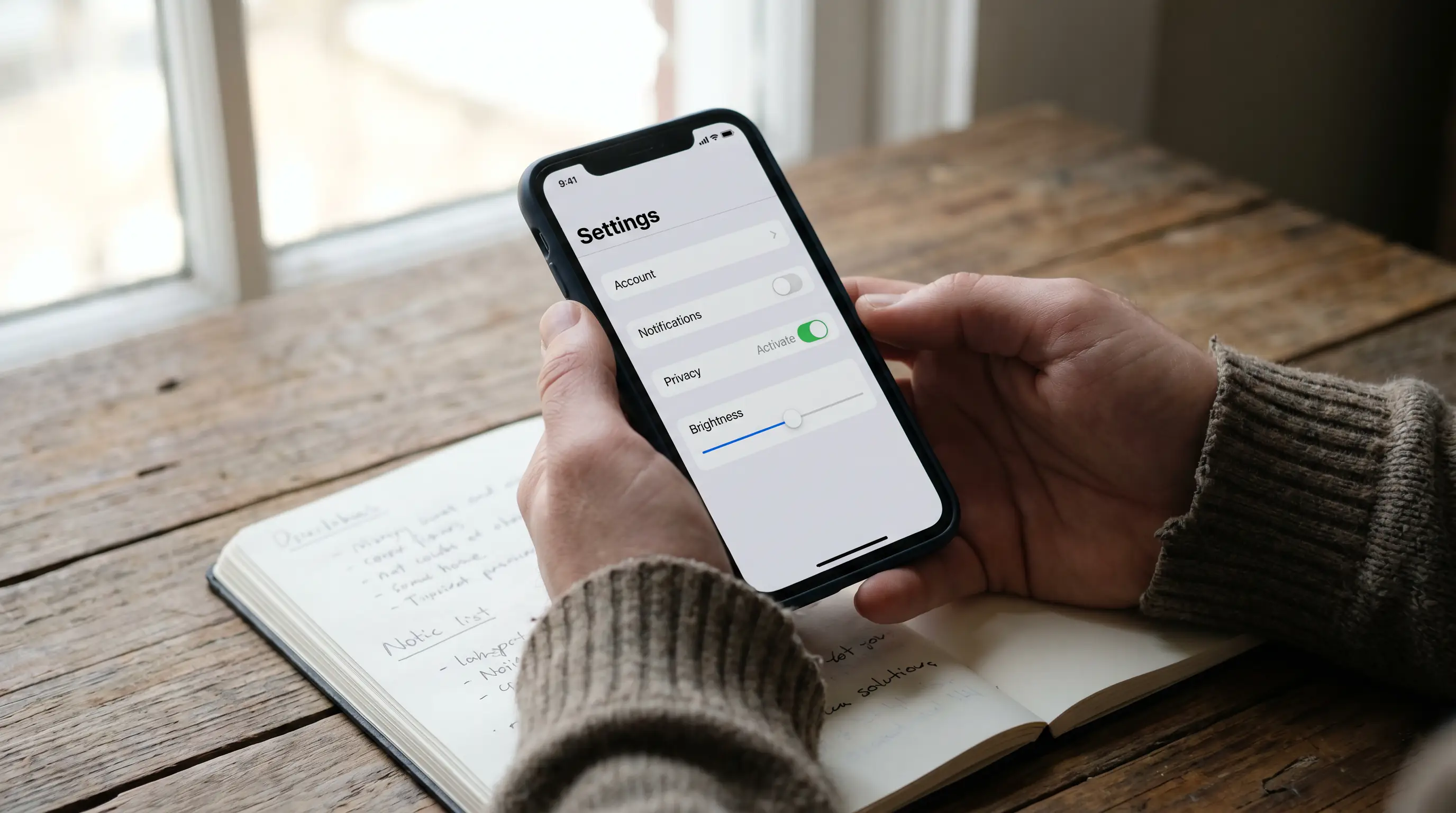
Deposit limits cap the amount a punter can deposit over a chosen period — daily, weekly, monthly. Once set, a request to increase the limit is held for at least twenty-four hours before taking effect, giving the punter time to reconsider. Requests to decrease the limit take effect immediately. The asymmetric design is intentional — easy to tighten, deliberately slow to loosen.
Time-outs are short self-exclusion periods at a single operator. Most UK cricket sportsbooks offer time-out periods from twenty-four hours up to six weeks. Unlike GamStop, time-outs apply to one operator at a time and do not affect other accounts. They are the appropriate tool for a punter who wants a short break to reset their habits without the longer commitment of GamStop.
Reality checks are notifications that pop up during play to remind the punter how long they have been on the site and how much they have wagered. The frequency is set by the punter, typically between fifteen minutes and one hour. The checks are easy to dismiss, but the data on usage suggests they are effective at interrupting extended sessions and prompting brief reconsideration.
Loss limits and session limits work similarly to deposit limits but cap different metrics. The 21.9% PGSI score of 1-27 figure among UK 18-24 year olds during January 2024 to January 2025, with 5.3% scoring in the 8-27 range, illustrates why these tools matter for younger punters in particular — the metrics on harm exposure are highest in that demographic.
The Statutory Levy and Where Funding Now Sits
The UK gambling sector funding model changed in 2025. The statutory levy that funds gambling harm research, education and treatment is now fully managed by NHS England from April 2025, replacing the voluntary contribution model that operators previously used. The change consolidated the funding stream and put NHS England in direct control of how the levy is distributed.

The practical effect for cricket punters is that the support services available to them — GamCare’s helpline, the National Gambling Treatment Service, BeGambleAware’s information resources — are funded through a more stable and predictable mechanism. The clinical capacity to support people experiencing gambling harm has grown alongside the funding consolidation.
“The integrity position remains relatively consistent with previous years, with the focus of suspicious betting remaining primarily on football and tennis. A geographical shift away from European sporting events was observed, but it is too early to determine if this is an ongoing trend,” Khalid Ali, the IBIA chief executive, said in February 2025 — a reminder that the regulatory infrastructure protecting UK cricket punters extends beyond responsible gambling tools to include integrity monitoring that prevents fixed matches from corrupting the markets punters are betting on. The two systems work in parallel — responsible gambling protects the individual punter from their own habits, and integrity monitoring protects all punters from corrupted outcomes.
Putting Tools Into Practice
The way I now use the responsible gambling controls on my own cricket betting is straightforward. I set a monthly deposit limit at the start of every season — IPL window, Ashes window, World Cup window. The limit is roughly half what I would think I could afford to spend, which means I have to deliberately consider whether to raise it rather than drifting upward unconsciously.

I use the reality check at a one-hour interval. The notification appearing during a long IPL evening reminds me that I have been on the site for an hour, which is sometimes enough to prompt a sensible exit. If the reality check appears for the third time in a single evening, I treat it as a signal to stop.
The time-out tool I have used twice — both times during periods when I noticed my approach to betting felt off. A two-week time-out at the operators I use most often was enough to reset my habits without the heavier commitment of GamStop. The break was useful precisely because it was short and reversible.
If I were to find these tools not working — if the limits felt impossible to keep, or the time-outs were not enough — GamStop would be the next step. Talking to GamCare on 0808 8020 133, or contacting BeGambleAware, would be the parallel step. The tools work best in combination, with each layer addressing a different stage of the relationship between a punter and their habits. For deeper context on the regulatory verification that ensures these tools are present on a site, the verify UKGC licence guide covers the upstream check every punter should run before depositing.
Treating Responsible Gambling Tools as Normal Practice
The mindset that helps is treating these tools as part of normal cricket betting practice, not as remedial measures for problem gamblers. The deposit limit is a budgeting tool, the reality check is a session timer, the time-out is a holiday from a habit that has become slightly too active. Used in this way, the tools support sustainable engagement with the markets over years rather than serving as crisis interventions after damage has been done. Help is available at any stage — GamCare on 0808 8020 133 is the right call if betting is causing concern, however small that concern feels.

Can a GamStop registration be reversed early?
No. Once GamStop is active, the self-exclusion period runs for the full duration the punter selected at registration. There is no early reversal mechanism, which is part of how the scheme provides reliable protection. The shortest available period is six months, and punters should choose a duration they are comfortable committing to.
Do deposit limits carry across linked cricket sportsbooks?
No. Deposit limits are set per operator, so a limit at one cricket sportsbook does not apply at another. Punters who hold accounts at multiple operators need to set limits at each separately. GamStop is the only tool that applies across all UK-licensed operators simultaneously.
