
 Available in US
Content
Why DLS Is a Pricing Lever
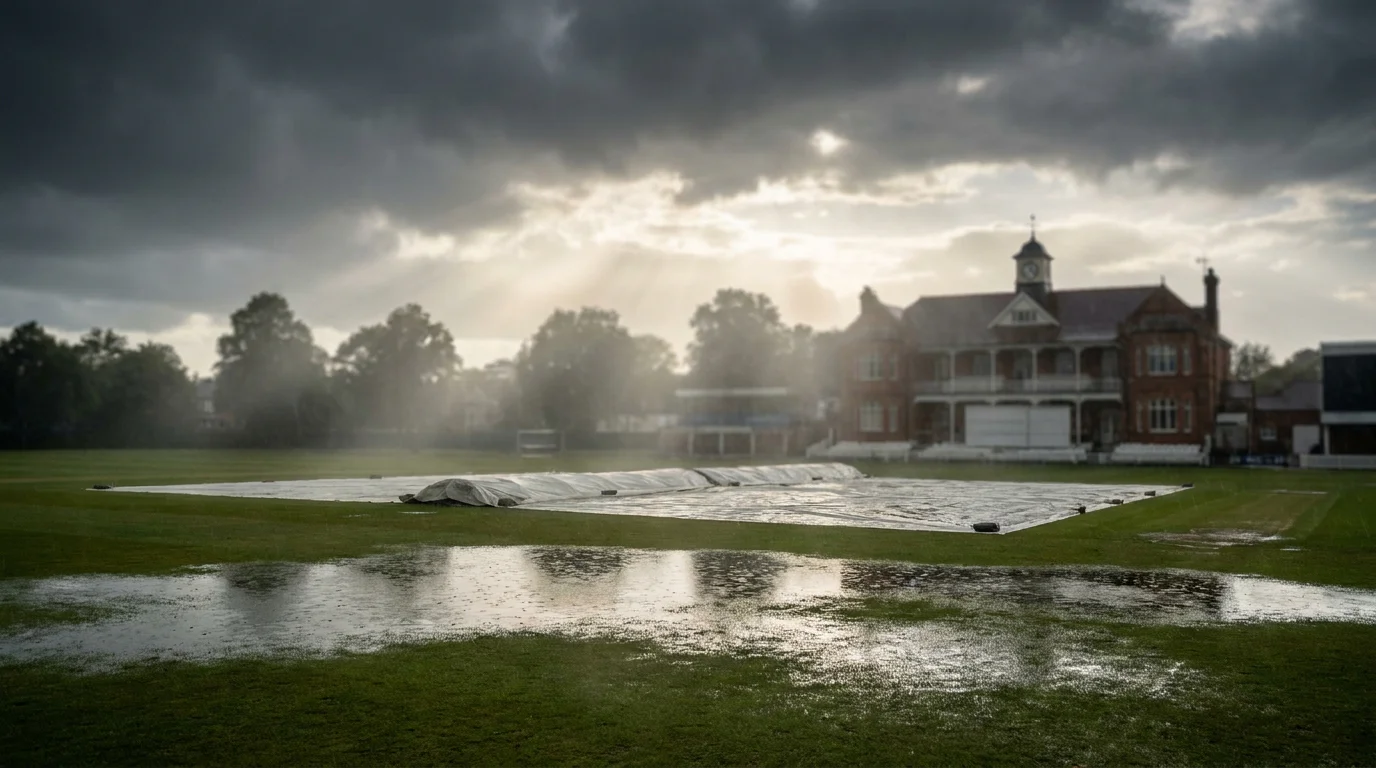
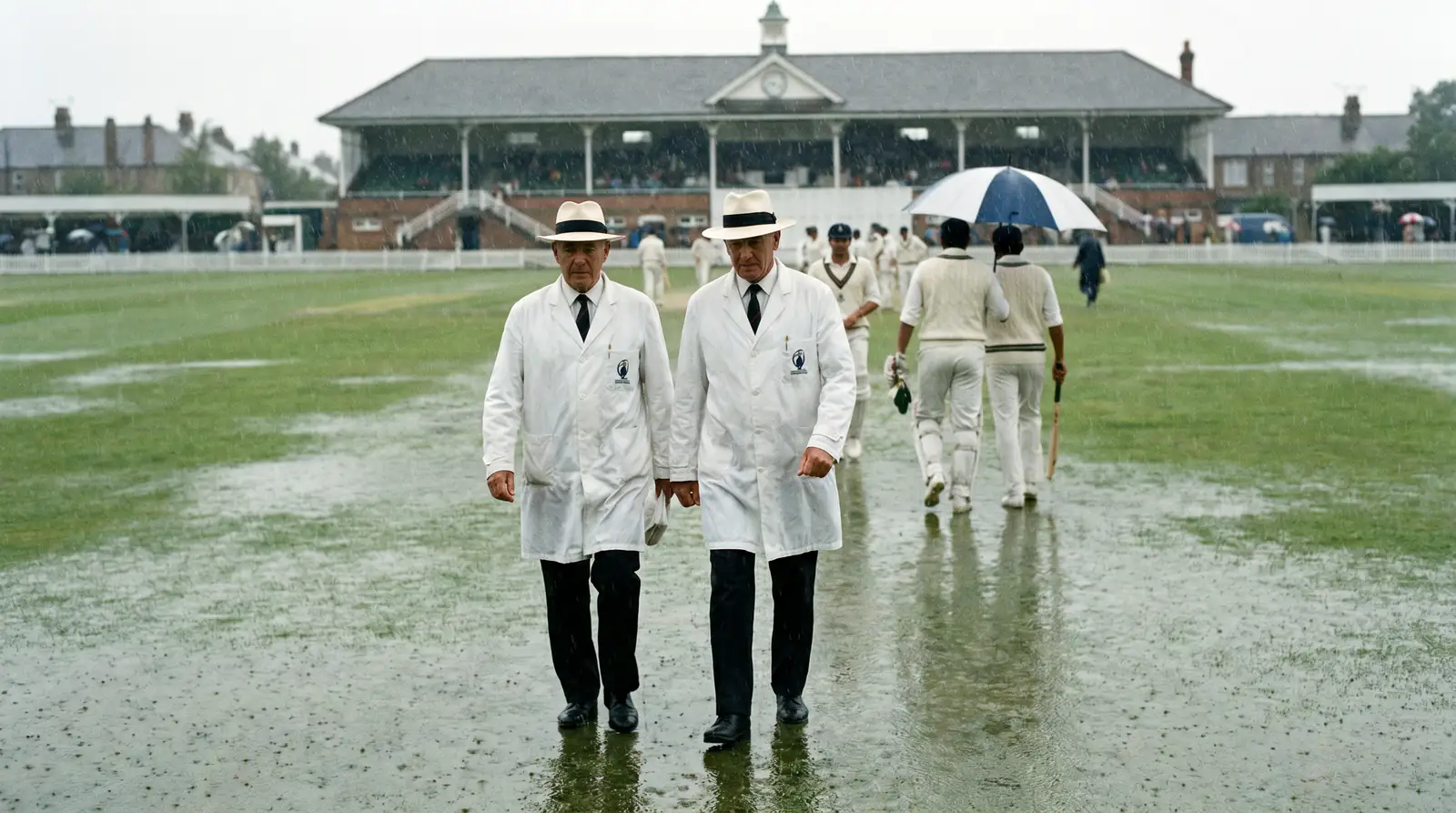
The first time DLS cost me real money, it was not the calculation that hurt — it was the speed at which the market repriced around it. Inside ninety seconds of the umpires walking off, the team I had backed at 2.10 had drifted to 3.40. Nothing had happened on the field. The bookmaker’s model had simply updated the par-score curve, and my bet was suddenly worth a lot less.
That moment taught me something every cricket punter needs to internalise — the Duckworth-Lewis-Stern method is not a quirky settlement rule for when the rain finally beats the game. It is a continuous pricing lever that bookmakers apply throughout any rain-affected innings, and it can move odds further in five minutes than a wicket can move them in an over.
DLS in One Pass
DLS is a mathematical adjustment for the resources each side has available — overs remaining and wickets in hand. The 2014 revision, “Stern,” refined the original Duckworth-Lewis tables for the higher scoring rates of modern limited-overs cricket, especially the T20 era. The principle is straightforward: a side with ten wickets in hand and twenty overs left has a different “resource percentage” than a side with four wickets and ten overs left, even if the runs required look identical on the scoreboard.

The method produces a par score at any point in an interrupted innings — the score the chasing side should be at, given the resources used so far, to match the target. Above par means they are winning. Below par means they are losing. If the match is called off, the team ahead of par takes the points.
The detail that catches punters out is that DLS does not just kick in when rain falls. The par score is calculable from the first ball of the second innings, and the bookmaker’s pricing model knows it. The implied probability of a chase being completed factors in DLS-relevant scenarios from the start. Punters who only think about DLS when they see covers are reacting to a lever the market has already pulled.
Reading the Par-Score Ticker
Most UK sportsbooks display a live par-score figure during second-innings ODI and T20 chases. It is usually next to the run rate, sometimes slightly hidden behind a tab. That number is the most useful piece of information on the screen during a rain-threatened match — more useful than the run rate, more useful than the required rate.

The reason is that the par score tells me exactly what the bookmaker’s model is using to price the win market. If the chasing side is twelve runs above par with seven wickets in hand, and rain is on the forecast in twenty minutes, the live price on them should be short. If they are seven runs below par with five wickets gone, the price will reflect that even though the over-rate calculation looks fine.
I check the par score on every other over of a chase in any match where rain is on the radar. The shift between overs tells me whether the bookmaker thinks the chasing side is comfortable or stretching. The pricing follows the par-score gradient almost mechanically — a one-run improvement above par tightens the price by a measurable amount, and the magnitude of that tightening is what gives me a sense of how the model is weighting wickets in hand against overs remaining.
The other reason to watch the par score is that it tells me when to act. If rain looks imminent and the team I backed is above par, the in-play price has shortened. That is the moment to consider cashing out part of the position. If they are below par and rain is imminent, the price has drifted and waiting is rarely the right play.
How Bookmakers Reprice Around DLS Cut-Off Points
The market structure of DLS has hard cut-offs that bookmakers reprice around with surgical precision. An ODI requires twenty overs to be bowled in the second innings for a DLS result. A T20 requires five. Until those thresholds are reached, a rain abandonment means no result on the win market — the bet voids. After the threshold, DLS produces a winner. The moment the chasing side faces the first ball of the twentieth over in an ODI, the implied probability of a void result drops to near zero, and the model reprices accordingly.

I have watched this happen in real time during English summer ODIs. The price on the leading side will hold steady for several overs, then click noticeably tighter as the over count crosses the threshold. The shift is sometimes five percent of implied probability in a single ball, with nothing happening on the field that would justify it. The model is simply removing the void-risk discount it had been carrying.
The reverse happens too. If a chasing side that is well above par looks likely to have the innings abandoned before the threshold, the price on them drifts even as they pile on runs, because the bookmaker is pricing in the rising chance of a no-result. “Vulnerability comes in leagues where sometimes, there is a lack of care about who the franchise owners are. Our experience over the last two years is that the most persistent corruptors often try to get a grip within a franchise,” Alex Marshall, the ICC ACU general manager, told Gulf News in 2024 — a reminder that even technical-looking pricing levers like DLS thresholds sit inside a wider integrity context where rain-vulnerable lower leagues attract the most scrutiny. Rain at Edgbaston during English summer ODIs has well-documented effects too, with the 15% increase in pacer wickets on damp surfaces being one of the more reliable adjustments bookmakers price into match markets in those conditions.
When Cricket Markets Void on Rain
The rules for void settlement vary by market type, and this is where punters lose money to surprise. Match-winner markets follow the format minimum: twenty overs ODI, five overs T20. If the threshold is met and DLS produces a result, the bet settles on the DLS winner. If not, all stakes return.
Top batter markets typically require a stated minimum number of overs in the relevant innings — often five overs faced by the batter, sometimes more. If the innings ends short of that, all bets void. Top bowler markets often require a minimum number of overs delivered. Method-of-dismissal markets usually void on any DLS-affected outcome unless the dismissal in question has already happened.
Outright series and tournament markets are the most complex. A no-result match in a multi-game series shifts the implied probabilities for every team in the field, and bookmakers reprice the outright market within minutes of an abandonment. A washed-out group game in an ICC tournament can move a tournament-winner price by ten to fifteen percent on the affected teams.
The practical rule I use — read the void clause for any market before placing a bet in a rain-threatened match. It is in the terms and conditions, and it is the single biggest difference between sportsbooks on cricket. For the session-level mechanics that interact with DLS-threatened innings, the session betting in cricket guide covers the over-grouped markets in detail.
Treating DLS as a Skill, Not a Surprise
The punters who handle DLS-affected matches well treat it as part of the game, not as an interruption. They watch the par-score ticker. They check the void clauses before staking. They know which over-count thresholds matter for each format. They reprice their own view of the bet against the bookmaker’s repricing, and act when there is a gap.

Does DLS apply to Test cricket markets?
No. DLS is exclusive to limited-overs formats. Test match draw markets, session markets and innings totals have their own void clauses and time-based settlement rules, but the par-score mechanism does not apply.
What happens to outright markets in a tied DLS result?
A DLS-tied result settles the match-winner market as a tie, which is itself a priced outcome on some UK sportsbooks. For series and tournament outrights, a tied DLS result counts as no winner in the standings table, with rules varying by competition.
