
 Available in US
Content
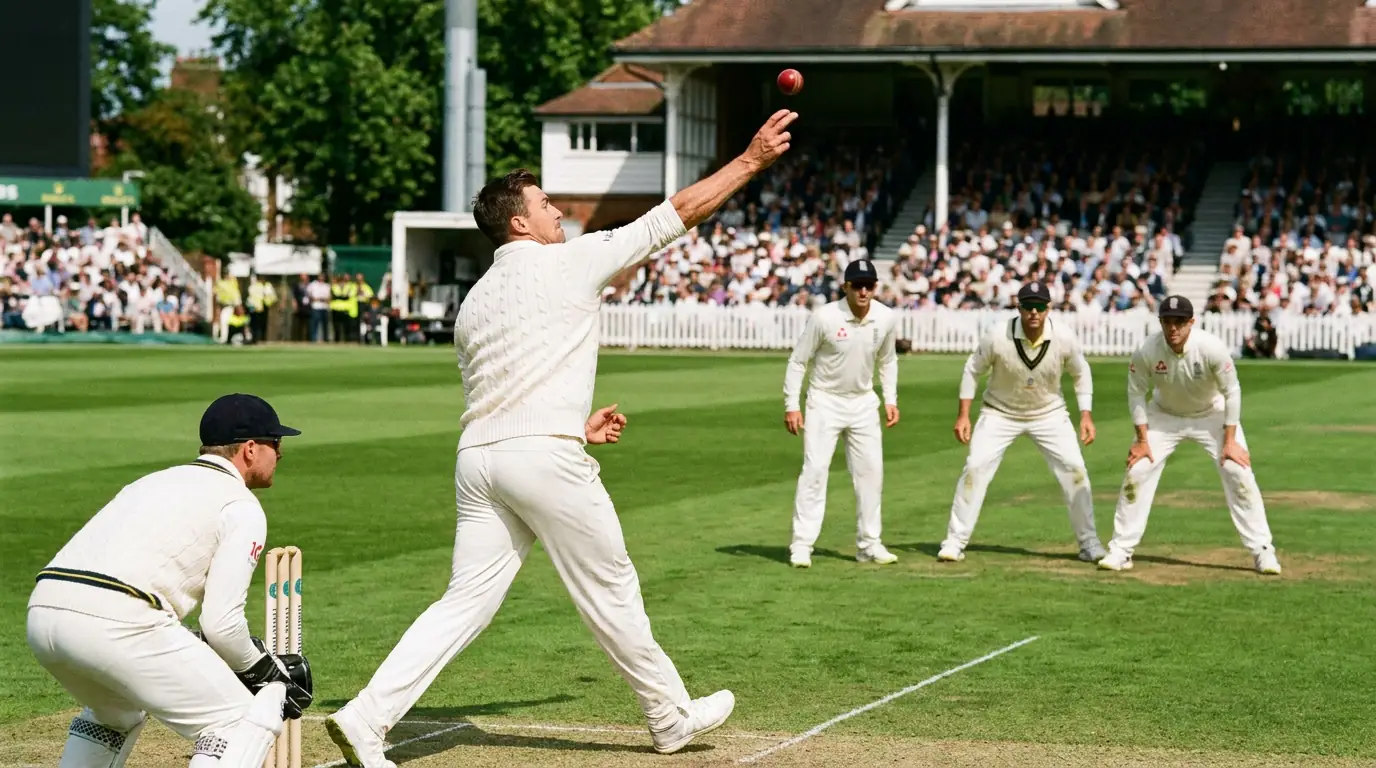
What “Top Bowler” Actually Settles On
The single most expensive misunderstanding I’ve watched punters make on this market is assuming it pays out the bowler who looked the most threatening. It doesn’t. It pays the bowler with the most wickets in the relevant innings, and a tight five-wicket spell that beat the bat twenty times settles identically to a bowler dropping into the tail and mopping up three softies.
That gap between “best bowler” and “top wicket taker” is where most of the edge in this market sits. Wickets are clumpy, distribution is noisy, and the bowler the model picks at 3/1 will end with one wicket as often as he ends with four. If you’re going to take this market seriously, the first thing to internalise is that the headline name and the settling name are different people more often than not.
Pacer vs Spinner: How Roles Shift the Price
I keep a spreadsheet I started years ago tracking how much price pacers concede to spinners on identical pitches across formats. The numbers still surprise me when I look at them quarterly.

The pacer-versus-spinner pricing question is two questions in disguise. The first is about what role the bowler is allocated within the innings — new ball, middle overs, death. The second is about how that role interacts with conditions on the day. Conflating the two is the most common mistake I see in match-day analysis.
Pacers who open the bowling have a structural new-ball advantage that pricing engines tend to underweight. With a fresh ball, the early swing and seam window in English conditions can be devastating — historical data from Edgbaston Test cricket shows pacers take roughly 15 per cent more wickets when the pitch is damp and the surface is sweating than they do in dry conditions on the same square. That number doesn’t sound dramatic until you remember the variance margin in this market is small, and a 15 per cent shift on a 25 per cent base probability is the difference between a 9/4 favourite and a 5/4 favourite.
Spinners, by contrast, peak in the middle overs of a limited-overs innings or on day three of a Test. Pricing engines tend to overrate spinners against tail-enders even when the data says lower-order batters in short formats are more likely to hole out to seamers in the death than to be bowled by a slow left-armer.
How Conditions Move Wicket Probability
The Sri Lankan night dew at R. Premadasa Stadium has made and broken more T20 top bowler bets in the last few years than any other single factor I track. The mechanism is straightforward — wet ball, harder for spinners to grip, easier for batters to swing through the line — and the quantified impact is meaningful.

Match-level data from R. Premadasa shows dew in evening T20s reduces spinner effectiveness in the second innings by close to 20 per cent. That figure is not just an average — it’s the average shift in wickets taken by spinners batting second compared with bowling first on the same venue, with the same line-ups, over a multi-year sample. The implication for the top bowler market is direct: if you’ve backed a spinner pre-match for a fixture where they’re scheduled to bowl in the second innings under dew, your effective probability has fallen by a fifth before a ball is rolled.
UK sportsbooks I’ve shopped at don’t always reprice for this on the day. The pre-match line you locked in at 7/2 doesn’t get updated by 11 a.m. on match-day for the dew forecast. Pricing engines work from venue-historical averages, not from yesterday’s humidity reading. That gap is the single biggest source of value I find in subcontinent T20 top bowler markets.
The flip side is the morning Test on an English green pitch. When the forecast is overcast and the captain has won the toss and elected to bowl, the seamers’ wicket probability is multiples higher than the lazy default the model assumes. I’ve watched a 5/2 morning seamer drift to 3/1 overnight despite ideal conditions developing, because the model wasn’t taking the next morning’s cloud cover into account.
Overs Bowled, Workload and Cap Risk
The one rule pricing models always know and rarely communicate clearly is the bowling cap. In T20s and the Hundred, every bowler is limited — four overs in a T20, twenty deliveries in the Hundred. The cap turns top bowler into a constrained optimisation problem rather than a free running tally.
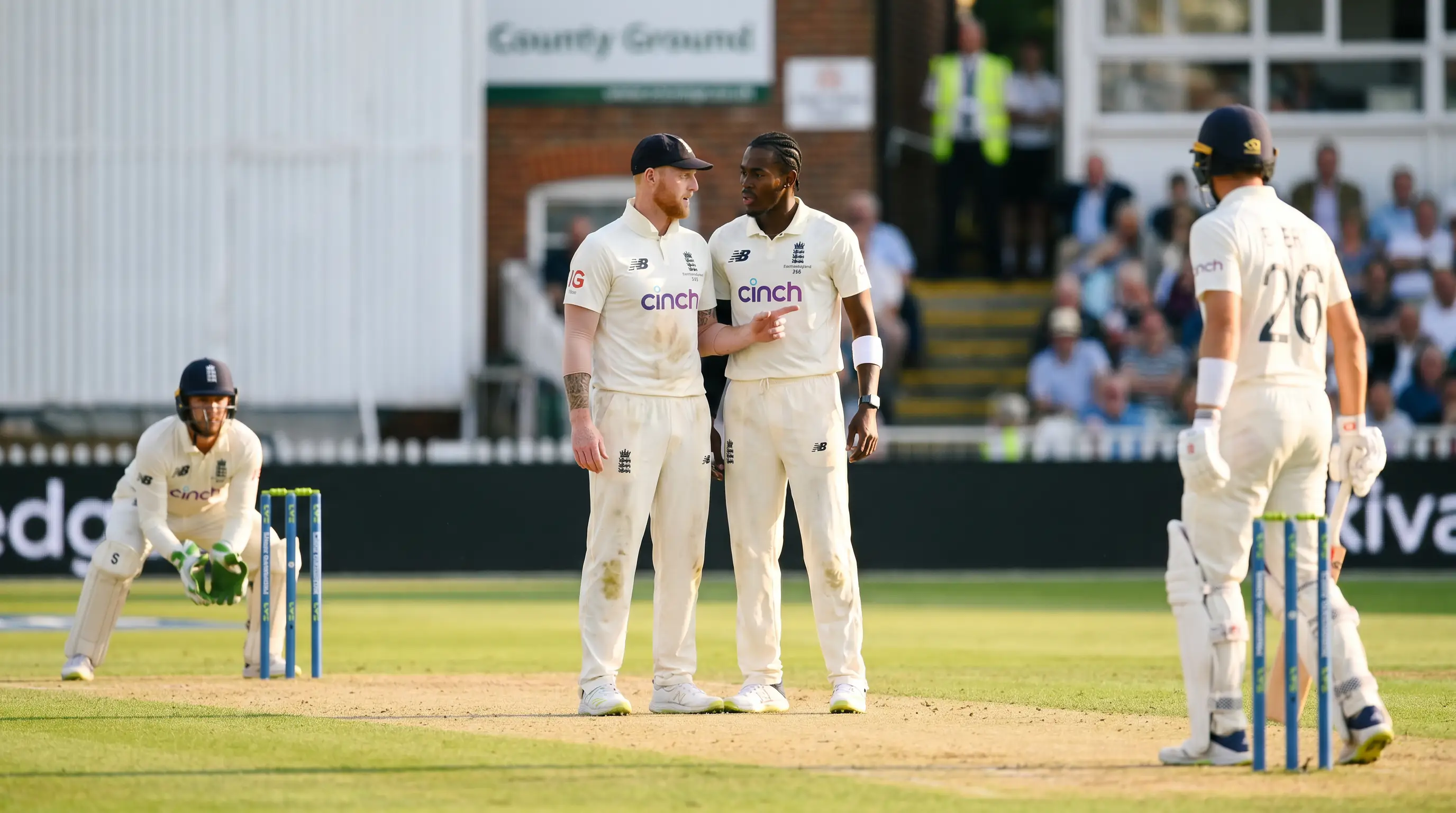
A bowler who reaches their full quota with two wickets has no more opportunities to add to the total, regardless of how the innings finishes. Compare that to an opener who bowls two overs at the top and then comes back for two at the death — same maximum, but materially different exposure to the high-strike-rate phase. The death-overs returner has more inflection-point deliveries against settled batters who are taking risks, which raises both wicket probability and runs-conceded volatility.
Workload management complicates things further in international cricket, where senior pacers are routinely held back to two- or three-over spells to preserve them for later in the series. A pacer capped at three overs in a limited-overs match is, mathematically, a 33 per cent reduced top-bowler candidate before he runs in. The pricing rarely reflects that explicitly. If a player you fancy is on a managed workload, the line you’re being offered is almost always too short.
Combining Top Bowler with Total Wickets and Method
I treat top bowler as one leg of a three-leg analytical framework rather than as a standalone wager. The other two are total wickets in the innings and method of dismissal. These three markets settle on overlapping events, and the relationships between them are where the cleanest combos sit.
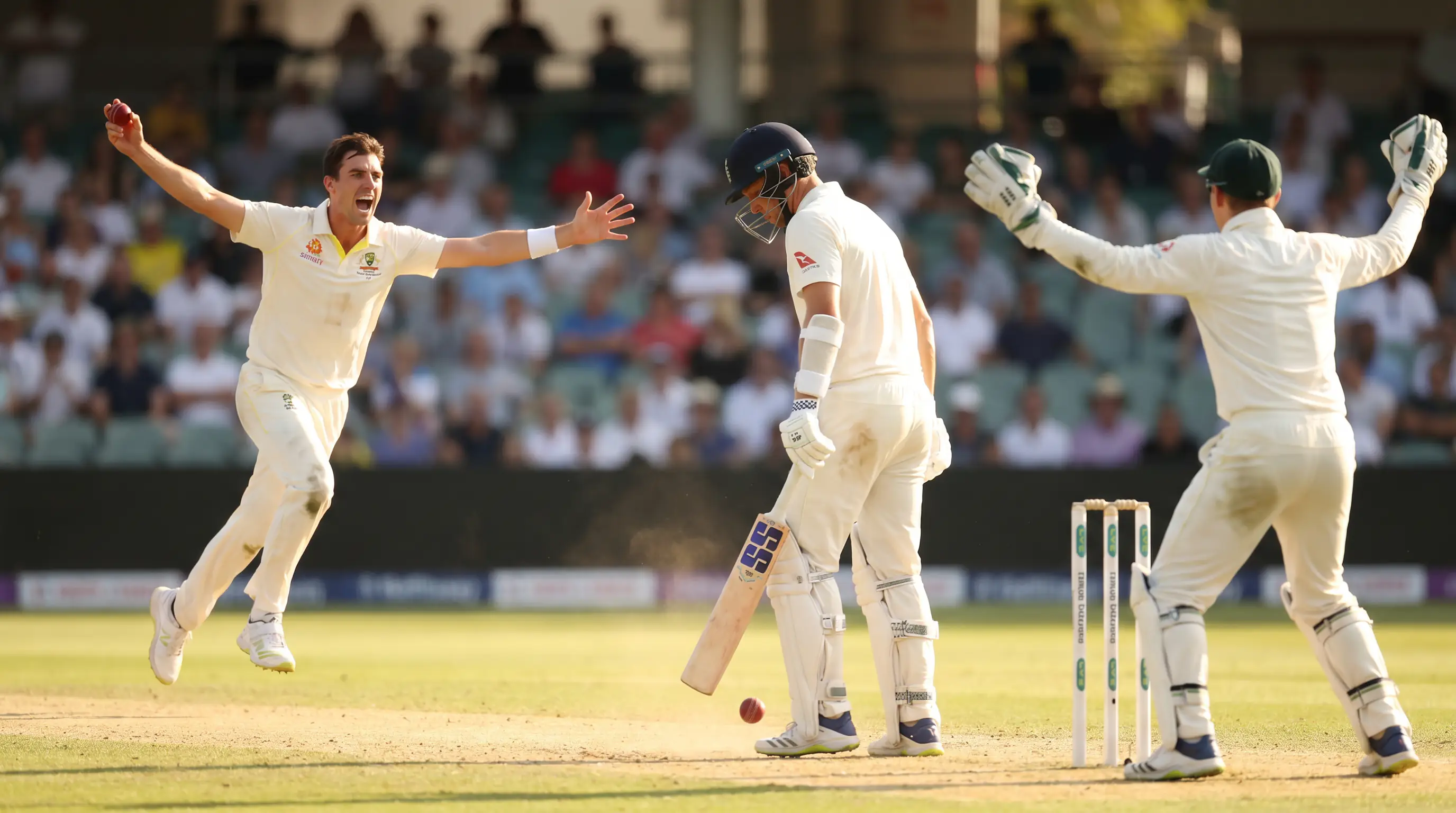
If the total wickets line for an innings is set at 9.5 and you fancy the over, that’s a signal pricing engines are expecting either a collapse or a wicket-heavy day for the bowling side. In that environment, the top bowler price for a senior pacer compresses, while the price for a fifth-bowler change-up option lengthens disproportionately. The combo “over on total wickets plus fifth bowler to be top wicket taker” sometimes prices at 12/1 or longer despite being a coherent thesis — a wicket-heavy innings often features the change-up bowler stealing two or three on a single hot spell.
Method of dismissal compounds the read. If you expect plenty of LBWs (a low-bounce pitch with reverse swing), spinners and full-length seamers benefit disproportionately. Linking a top-bowler pick to the dominant dismissal mode of the day tightens the analytical loop and produces combos that are conceptually consistent rather than a random parlay.
Top Bowler Reader Questions
Two settlement questions on this market come up so often I now keep cut-and-paste answers for them.

Are LBW and caught-and-bowled counted equally?
Yes. Every legitimate dismissal credited to a bowler counts as one wicket toward the top bowler tally, regardless of mode. Bowled, caught (including caught-and-bowled), LBW, stumped and hit-wicket all count identically. Run-outs do not count toward the bowler’s tally because they are not credited to the bowler in standard scoring. Retired-out and obstructing-the-field dismissals are not credited to a bowler and therefore do not count either.
What if two bowlers tie on wickets?
The default settlement at most UK sportsbooks is dead-heat reduction: your stake is reduced proportionally to the number of tied selections, with the price unchanged. A small group of operators use lower bowling average or fewer runs conceded as tiebreakers, paying the tied bowler with the better economy or strike rate as outright winner. Read each operator’s specific top bowler rules carefully — on long-priced selections, dead-heat versus full-payout can halve or double your effective return.
