
 Available in US
Content
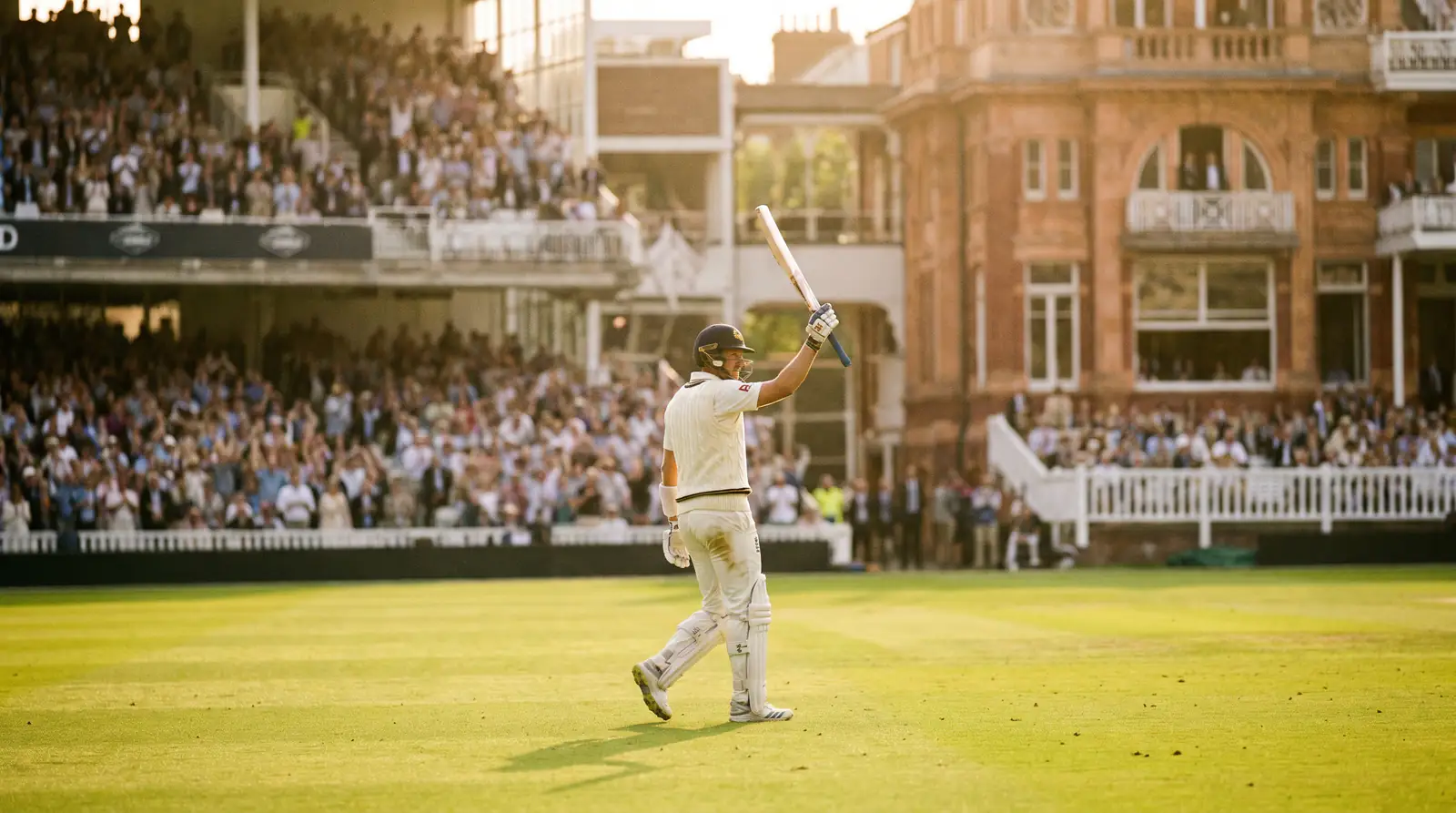
Why Top Batter Sits Between Skill and Variance
A reader once messaged me convinced he’d cracked the top batter market — he was backing the in-form opener in every IPL game at 4/1 and was bleeding money. He’d done his form study, his pace-versus-spin splits and his ground analytics. What he hadn’t done was admit that even the best opener in the world makes one big score in roughly four innings.
The top batter market is the one place on a cricket slip where serious analysis gets you maybe halfway home, and variance carries the rest. A side has eleven batters, of whom realistically six or seven are credible candidates. Even the favourite — the opener with the deepest pedigree against a particular bowling attack — typically prices at around 4/1 in a limited-overs game. That implies a true probability of roughly 20 per cent, which sounds low until you remember that the field is six or seven deep.
This is the market where I tell people to swap “who will score the most?” for “where is the price wrong?” The two questions sound similar; they are not.
How Top Batter Markets Settle: Eligibility and Ties
Settlement rules on this market vary across UK sportsbooks more than most punters realise, and I’ve watched two punters get different answers on the same match because they were with different books.

The baseline is straightforward: the top batter is the player who scores the highest number of runs in their team’s innings. The market settles at the close of the relevant innings — first innings for a one-day fixture, the team’s only innings in a T20, and so on. Most books require the batter to come to the crease, but a handful require the batter to face at least one delivery, which is a different rule entirely. If the batter is dismissed without facing a ball — caught at the non-striker’s end, run out off a no-ball — the bet is voided by some operators and settled as a duck by others.
Ties are where the real fragmentation appears. The four common rules across UK books are: dead-heat reduction (your stake is reduced proportionally and the price stays), full payout to all tied selections, the higher striker rule (the player who scored faster wins), and the bat-first rule (the player who batted higher in the order wins). Dead-heat is the most common in UK retail books, and it is the rule that quietly chews into long-priced winners. A 10/1 tied bet at a 50 per cent dead-heat reduction returns at effectively 5/1. Read the small print before you stake anything serious — the difference between dead-heat and full-payout on a tied 25/1 outsider is the price of a long weekend.
What Drives the Price: Order, Form, Opposition
If I had to compress nine years of top-batter pricing into a single sentence, it would be this: batting position outranks current form, and current form outranks reputation. Openers are favoured because they have a structural advantage — more deliveries to face — and pricing engines weight that heavily. In a T20 with six-over powerplays, openers face 30 to 40 per cent more balls than the middle order on average. That’s a deterministic edge before any form factor is applied.
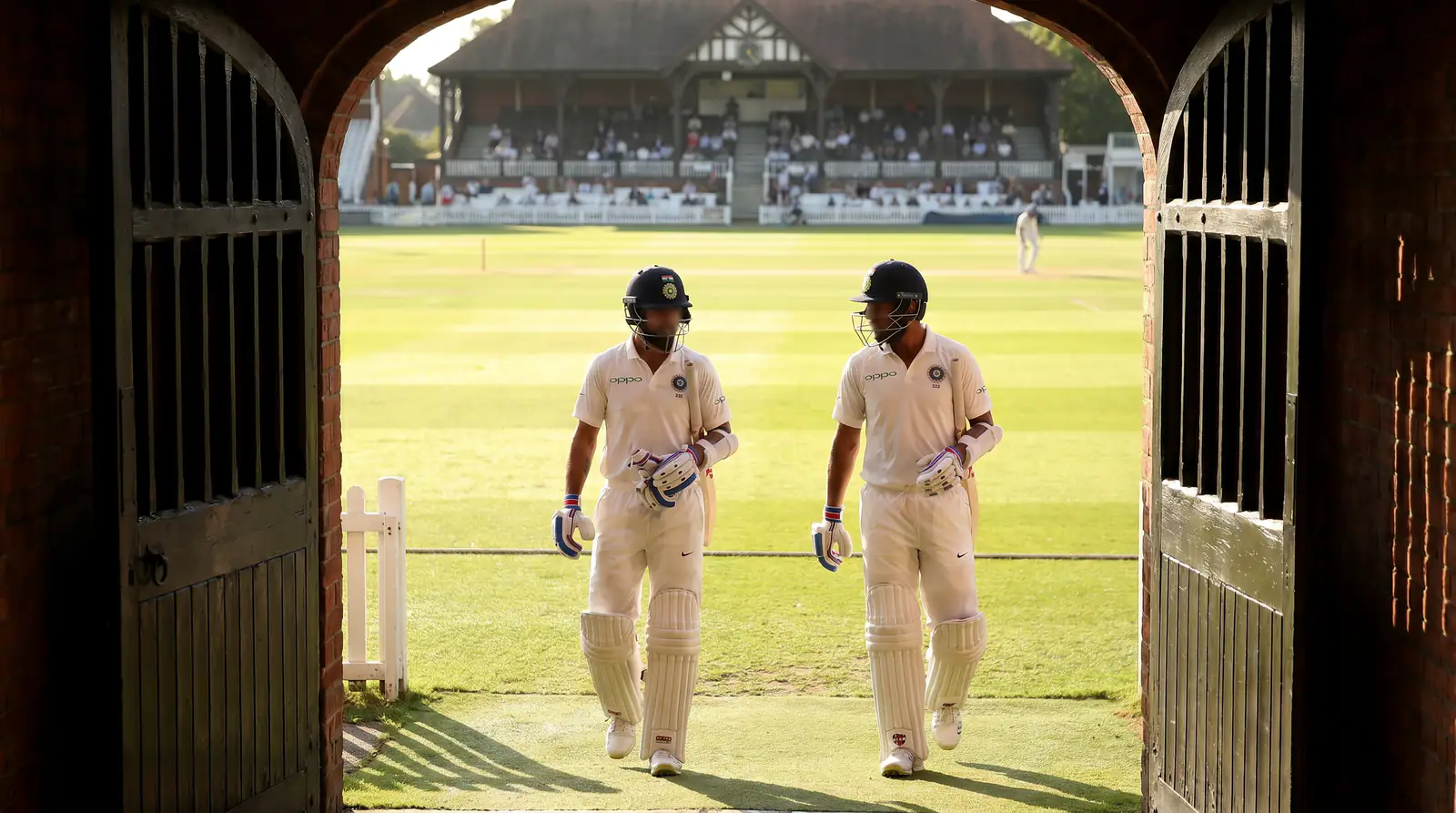
Form matters next, but only at the level the model recognises. UK pricing engines I’ve reverse-engineered look at runs in the last five innings, scoring rate against the relevant bowling type (pace versus spin), and home/away splits. They are blunt instruments. They miss things like a batter coming back from a hand injury, or a top-order pair that traditionally builds slowly together — both of which can swing the actual probability by several percentage points.
Opposition and conditions are where I spend most of my prep time. The England versus India 2025 Test series gave us one of the cleanest signals I’ve seen in years: at Headingley, batting averages on the sunny final day reached 40 runs per wicket, against 26 on the overcast first day. That’s a 53 per cent uplift in expected scoring purely from cloud cover changing. Apply that to a top-batter market and the implication is obvious — anyone who batted the second innings in better conditions had a structurally higher chance of topping the scoring than anyone in the first.
The market doesn’t always price this in by the time the second innings starts. That gap between displayed odds and conditions-adjusted probability is where I find most of my edge in this market. It is not about predicting the winner. It is about predicting which two or three names are mispriced relative to their actual chance of finishing top.
Rotation, Rest Days and Dead-Rubber Effects
The first time I lost a clearly-the-favourite top batter bet to a rotation rest, I learned a lesson the hard way. The pricing engine had factored in everything except whether the player was actually playing. In modern international cricket, with packed schedules and central contracts, rotation is now a permanent feature — and the books update their lines later than you might expect.

Dead rubbers are the second trap. When a Test or ODI series is already decided, captains rest senior players, hand opportunities to fringe squad members and try things out tactically. Top-batter pricing in these matches stays anchored to the senior names long after the team sheet says otherwise. A 9/2 favourite in a dead-rubber Test who’s actually being rested becomes effectively unbackable, but the market sometimes only adjusts at the toss.
My rule is simple. For any international fixture in the second half of a multi-game series, I check the team sheet at toss and not before. For franchise tournaments, I watch for late changes pushed out via the league’s social channel — they update faster than the books.
Where the Market Misprices Middle-Order Batters
The most underbet name on a top batter slip is almost always batter number four. I’ve made more in this position over the years than at any other spot in the order, and the reason is structural rather than tactical.
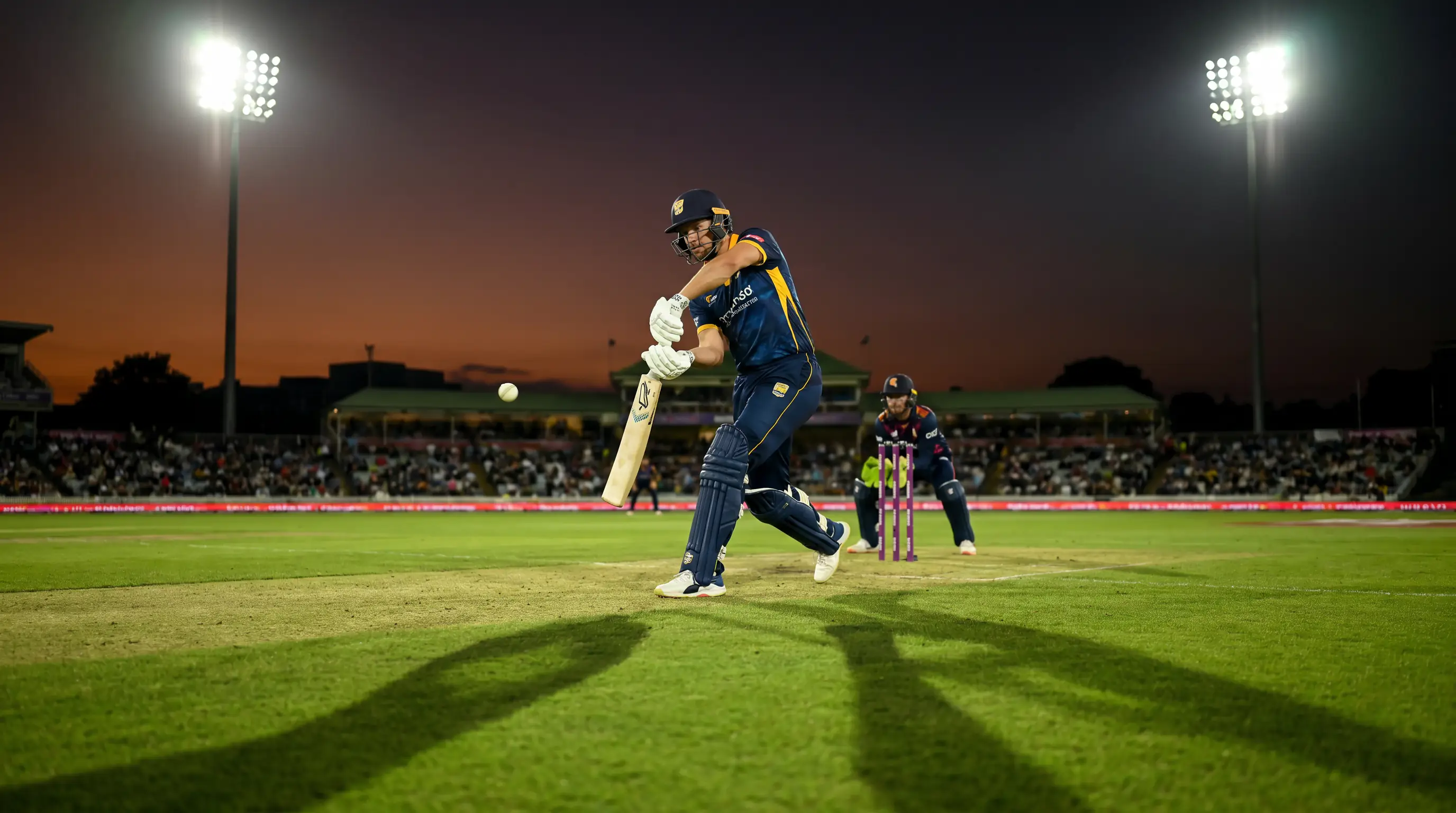
Pricing engines anchor on balls faced. Openers face the most, number three usually faces enough, and number four is treated as a marginal candidate. But number four often arrives at the crease early after a top-order collapse, builds the innings, and finishes not out on a substantial score while strike-rotators come and go. Across a season, in the IPL and The Hundred, the number-four batter tops the innings significantly more often than their typical 10/1 to 14/1 pricing suggests.
The Hundred has been particularly instructive on this. The 2025 final at Lord’s drew over 1.3 million live viewers on the BBC App, the highest figure for the competition, and the broadcast data lets me overlay top-scorer outcomes against pricing. Middle-order winners in the 2025 group stage came in at average odds north of 12/1, while top-order winners averaged 5/1. The hit rate on the middle order, weighted by stake, was higher than the implied probability suggested by a meaningful margin.
This isn’t a guaranteed edge in any single match. It’s a season-long bias I monitor and stake against carefully, treating each individual match as a small ticket in a long programme. For a deeper picture of how player markets interact, the wicket-side equivalent is worth reading.
Top Batter Reader Questions
Settlement edge cases on the top batter market come up in messages every week. Two questions sit at the top of the pile.

How is a tied top score settled in a UK sportsbook?
The most common UK rule is dead-heat: your stake is reduced proportionally to the number of tied selections, and the price stays the same. A 10/1 winner tied with one other player returns at effectively 5/1 in dead-heat settlement. A minority of sportsbooks pay out in full to all tied selections, while a few use the higher strike rate or the higher batting position as tiebreakers. Always check the specific top batter market rules on the slip before staking, as the difference can be substantial on longer-priced selections.
Does a batter need to face a ball to be eligible?
Rules vary. Most UK sportsbooks require the batter to come to the crease for the bet to be live, regardless of whether they face a delivery. A smaller group requires the batter to face at least one ball, which voids the market if the player is dismissed off a non-strikers run-out or before legitimate delivery. If the batter is named in the eleven but does not bat at all because the innings ends earlier in the order, most books void the bet rather than settle it as a loss.
